
Aftermarket B58 Timing Chain Installation and Usage Guide
Posted by Mamta Sharma on 2nd Nov 2026
Installing a timing chain is an important engine repair. The part itself matters, but preparation, fitment, the correct service procedure, and final checks matter just as much.
If you are planning to install an aftermarket B58 timing chain, do not treat the job as a simple parts replacement. The BMW B58 timing system requires careful work and the correct application-specific information. This guide covers the main planning points and explains what to consider when using the SneedSpeed Cryo-Treated Race Timing Chain Kit.
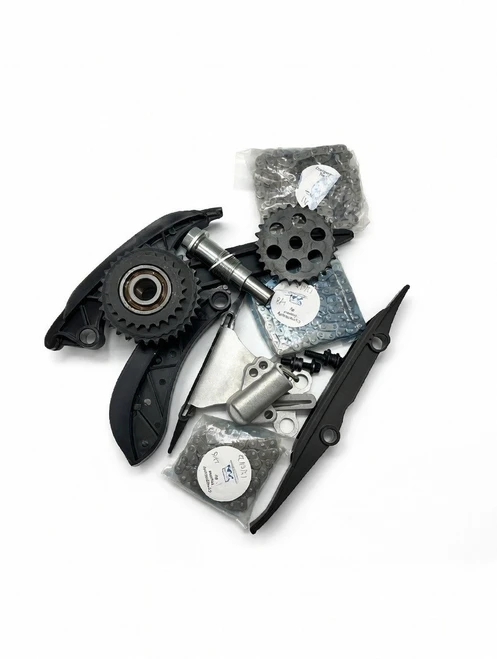
Why Timing Chain Installation Needs Careful Planning
The timing chain helps keep the crankshaft and camshaft synchronized. If the chain is installed incorrectly or the timing relationship is not verified, the engine may not operate as intended.
Before starting the job, identify the reason for the repair. A timing noise, fault code, or running issue should be diagnosed first. Do not assume that every unusual sound comes from the timing chain.
Components to Consider During Inspection
A timing-system inspection should consider more than the chain alone.
- Timing chain: Check for signs of wear or damage according to the applicable service procedure.
- Guides: Inspect the guide surfaces and look for visible damage or excessive wear.
- Tensioner: Check whether the tensioner is operating as required.
- Related timing components: Inspect the relevant parts for wear, damage, or other concerns identified during diagnosis.
The condition of these components helps determine the scope of the repair.
What to Prepare Before Installation
A successful repair begins before the engine is opened. Make sure the parts and information match the vehicle.
Confirm Vehicle Fitment
Check the exact BMW model, model year, engine application, and product fitment information. Do not order based only on the B58 engine name.
The SneedSpeed B58 Cryo-Treated Race Timing Chain Kit product page provides the current product description and listed applications. Confirm your specific vehicle before purchasing.
Review the Service Information
Timing-chain work requires the correct engine-specific procedure, timing tools, and tightening specifications. Use verified service information for the exact application. This article is a planning guide, not a substitute for a workshop manual or a step-by-step installation procedure.
Check the Kit Contents
Before beginning, compare the parts received with the product listing and the repair plan. Make sure the required components are available so the job is not interrupted after disassembly.
Installation Planning: Important Areas to Review
1. Keep the Work Area Organised
Timing components and engine hardware need careful handling. Keep parts organised and follow the applicable service procedure so components are not mixed up or misplaced.
2. Use the Correct Timing Tools
Engine-specific timing tools help technicians position and verify components correctly. Do not substitute improvised tools for the required equipment.
3. Follow the Correct Timing Procedure
The crankshaft and camshaft positions must be set and checked according to the B58 service information. Do not rely on visual estimates or general instructions for a different engine.
4. Complete the Required Checks Before Startup
Before starting the engine, the technician should verify the installation, timing alignment, fasteners, fluid requirements, and any other checks specified in the service procedure.
What to Check After Installation
The job does not end when the components are fitted. Follow the correct post-installation process for the specific engine.
Important checks may include:
- Confirming the timing alignment using the specified procedure.
- Checking that all required components and connections have been refitted.
- Verifying fluid levels and addressing any leaks.
- Following the prescribed initial-start procedure.
- Listening for unusual mechanical noise and checking for warning lights or fault codes.
- Rechecking the repair if any abnormal behaviour appears.
If the engine makes an unusual noise or displays a warning after the repair, stop and investigate rather than continuing to drive it.
For further planning advice, read SneedSpeed's guide to B58 timing chain installation planning.
Frequently Asked Questions
- Is B58 timing chain installation a DIY job?
It is advanced engine work that requires suitable tools, technical knowledge, and application-specific service information. If you do not have the required experience, use a qualified technician. - Do I need special tools to install a B58 timing chain?
Yes. The correct engine-specific timing tools and workshop equipment are important for positioning and checking the timing system. - Should I inspect the guides and tensioner during installation?
Yes. They work with the chain to control movement, so their condition should be considered as part of the repair. - Can I start the engine immediately after fitting the chain?
Only after the required installation and verification steps have been completed according to the correct service procedure. - What should I do if the engine makes noise after installation?
Stop and have the installation and engine condition checked. Do not assume the noise is normal or continue driving without identifying the cause.
Conclusion
A B58 timing-chain installation requires accurate fitment, suitable tools, careful preparation, and proper verification. Choosing a quality kit is only one part of the job; the installation process and condition of the related components are equally important. The SneedSpeed Cryo-Treated Race Timing Chain Kit is an option to review when planning a compatible B58 timing-system repair or performance build. Check the product details and confirm fitment before ordering. Visit SneedSpeed for performance parts and product information.