
B58 Timing Chain Installation and Usage Guide: How to Install, Maintain, and Choose the Right Kit
Posted by Mamta Sharma on 4th Nov 2026
BMW's B58 six-cylinder platform is known for its smooth operation and strong performance potential. Whether your vehicle is stock or modified, maintaining the timing chain system is important for consistent engine operation. Timing chain replacement is not a simple parts swap. The job requires accurate timing alignment, proper tools, attention to installation procedures, and an understanding of the engine's configuration. This guide explains common timing chain concerns, when an upgrade may be worth considering, and what to review before starting a B58 timing chain service.
Understanding the B58 Timing Chain Challenge
The timing chain connects the crankshaft and camshafts, maintaining the synchronization needed for correct valve operation. The system depends on the chain, guides, tensioner, lubrication, and correct installation. Wear or problems in any of these areas may affect the operation of the timing system.
Common Problems with the Factory Timing System
- Chain Wear: The chain and related components experience repeated loading and movement. Wear may affect timing accuracy over time.
- Guide Wear: Guides maintain the chain's intended path. Damaged or worn guides may affect chain movement and create additional problems.
- Tensioner Fatigue: A tensioner that cannot maintain suitable chain control may contribute to excess slack or timing-related noise.
These concerns are not unique to the B58. The engine's timing chain location and service requirements can also make repairs labor-intensive.
When Is an Upgrade Needed?
The factory timing system may be suitable for an engine operating within its intended conditions. However, owners may consider upgraded components when performing planned repairs or preparing a modified engine.
Common reasons to evaluate an upgrade include:
- Running increased boost or a modified engine calibration
- Frequent high-RPM driving
- Track days or demanding driving sessions
- Rebuilding the engine for a performance application
- Replacing worn timing chain components
- Investigating timing-related noise or faults
If you notice unusual timing chain noise, fault codes, or rough engine operation, diagnose the problem before purchasing parts. These symptoms can have multiple causes.
What the SneedSpeed B58 Cryo-Treated Race Timing Chain Kit Changes
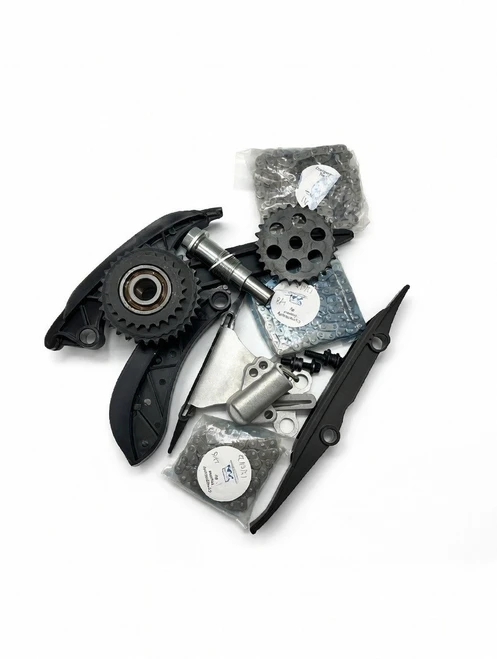
The SneedSpeed B58 Cryo-Treated Race Timing Chain Kit is designed for BMW B58 six-cylinder applications. The kit includes cryogenically treated timing components and supporting hardware intended for timing chain service or engine build applications.
Key Features
- Cryogenically treated timing components
- Heavy-duty timing chain guides
- Tensioner hardware
- Upgrade components for suitable B58 applications
The kit should be evaluated based on the engine's needs, included components, and fitment requirements. Cryogenic treatment does not remove the need for proper installation, lubrication, and maintenance.
Preparing for a B58 Timing Chain Installation
Before starting the job, confirm that you have the correct components and understand the engine-specific service procedure.
Installation Preparation Checklist
- Confirm the exact engine and vehicle application.
- Review the service procedure and timing alignment requirements.
- Obtain the required specialty tools.
- Inspect related components for wear or damage.
- Check the condition of the lubrication system.
- Confirm that all required replacement hardware is available.
- Prepare a clean workspace and organize components.
Installation Considerations
Timing chain installation requires careful attention to crankshaft and camshaft alignment. Incorrect timing can lead to poor engine operation or severe mechanical damage.
During the service:
- Follow the correct engine-specific timing procedure.
- Use the appropriate timing tools.
- Install components according to the manufacturer's instructions.
- Verify timing alignment before completing the assembly.
- Check that the chain and guides are positioned correctly.
- Confirm that the engine can be safely checked according to the service procedure before startup.
This article provides general planning information rather than a complete workshop procedure. Always follow the appropriate BMW service documentation or use a qualified technician.
Maintenance After Installation
Installing a replacement or upgraded timing chain does not eliminate future maintenance requirements.
After installation:
- Follow the recommended oil service schedule.
- Use the correct oil specification.
- Monitor unusual engine noise.
- Address warning lights or timing-related fault codes.
- Inspect the system when required by the service procedure.
- Review engine condition and operating behavior.
Proper maintenance helps support the operation of the timing system over time.
Additional B58 Timing Chain Resources
Before beginning a service, read the B58 Timing Chain Installation Planning Guide. You can also review the B58 Timing Chain Kit Comparison to compare OEM, standard aftermarket, and upgraded timing chain options.
Conclusion
B58 timing chain installation requires precision, the correct parts, and careful preparation. Confirming fitment, reviewing the service procedure, checking supporting components, and verifying timing alignment are all important parts of the job. If you are planning a timing chain service or engine build, the SneedSpeed Cryo-Treated Race Timing Chain Kit is an option to review for suitable B58 applications. Visit SneedSpeed to review performance parts and timing-chain options. If you are unsure which kit matches your BMW, contact the SneedSpeed team for assistance.