
F56 B48 MINI Cooper Cylinder Head Guide
Posted by Mamta Sharma on 1st Sep 2026
If you are searching for F56 B48 Cylinder Head, the first answer is this: SneedSpeed supports B48 cylinder head planning with the SneedSpeed BMW MINI B48 Engine Rebuild Kits Street Sport Race Options page and B48 timing support where relevant. A MINI cylinder head decision matters because F55/F56/F57 B48 MINI head work can involve sealing, valve condition, timing context, head fasteners, overheating history, and the condition of the engine below the head. Start by confirming the model year, chassis, engine family, symptoms, whether the engine overheated, whether coolant and oil mixed, and how the car will be used after repair. A B48 cylinder head plan starts with application ID before it starts with parts.
Explore Your Cylinder Head Repair Options
Once the cylinder head has been inspected, the next step is choosing the repair or replacement path that matches its condition. The decision should follow the sealing evidence, surface condition, lower-end health, and intended use. The right path may range from repairing the existing head to using a rebuild kit or choosing a complete engine.
- Repair the Existing Cylinder Head: This fits a head with a clear, isolated problem that still has usable surfaces, valve sealing, and cam-journal condition. The available evidence should support reusing the head.
- Choose Head Gasket and Fastener Service: This fits a sealing problem when the head and block surfaces support repair. It may involve an MLS Head Gasket choice and the correct head-fastener plan for the engine family.
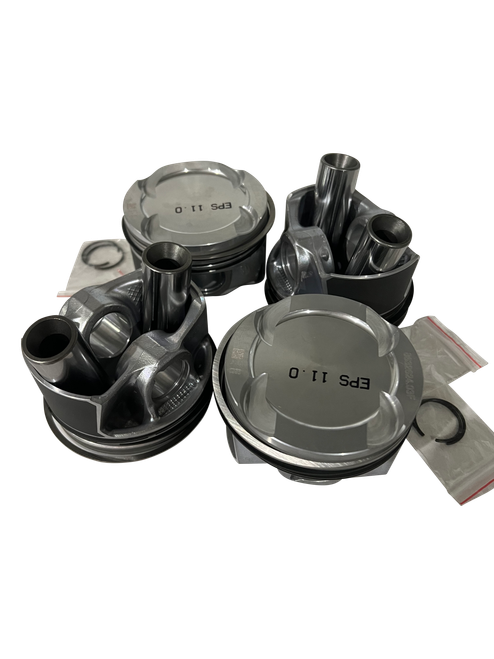
- Consider a Rebuilt Head or Engine Rebuild Kit: A N14 Rebuild Kit cylinder when the head needs machine work, valve sealing correction, or a refreshed assembly while the rest of the engine still supports that decision. An Engine Rebuild Kit fits cylinder head work that belongs inside a larger engine refresh, with relevant SneedSpeed rebuild kits for R53, N12, N14, N18, and B48 platforms depending on the confirmed platform.
- Move to a Complete Engine When Needed: A Complete Street Engine, Super Sport Engine, or Race Engine fits major damage, repeated failure, severe heat history, or a use case where head repair alone leaves too much lower-end risk. The right option is the one that matches the sealing evidence, surface condition, lower-end health, and use case—not simply the most expensive one.
Confirm F56 B48 Engine Family and Fitment
The B48 is a later turbocharged MINI engine family and should not be treated like R53 or R56 head work. The repair path should begin with the correct application details before parts are ordered. For F55/F56/F57 B48 applications, engine code, chassis, year, and application details help establish the correct head and fastener path.
- Confirm the B48 Application: Start with the engine code, chassis, year, and application details for F55/F56/F57 B48 models. An assumed engine family can lead the gasket or head-fastener discussion in the wrong direction.
- Identify the Actual Problem: Buyers may describe an issue as a cylinder head problem when the actual concern could involve the gasket, timing, valve sealing, cooling, or lower end. Confirming the engine family helps narrow that confusion.
- Review Vehicle History and Use: Confirm whether the car is stock, modified, used on track, previously overheated, or already apart. These details can change the cylinder head repair path before a product is selected.
- Treat Fitment as Part of the Repair: Fitment is not paperwork. It is what keeps a correct repair from becoming the wrong job. R60/R61 details also matter when those platforms are part of the broader MINI head-planning discussion.
F56 B48 MINI Cooper Failure Patterns
B48 head planning should consider timing condition, cooling history, oiling health, valve sealing, and application identity. The failure evidence should guide the diagnosis instead of assuming the cylinder head is the only problem. Different causes can leave different clues, so the failure pattern needs to be understood before choosing the repair path.
- Follow the Failure Clues: R60 & R61 Cylinder Head can leave a different trail than valve leakage, timing contact, gasket failure, or oil contamination. Looking at the failure pattern helps connect the symptoms to the likely problem.
- Find Out Why the Head Gasket Failed: Replacing a head gasket without asking why it failed can leave the original problem unresolved. Heat, surface condition, fastener choice, detonation, timing issues, and block condition can all change the repair decision.
- Match Symptoms to the Right Test: White smoke, coolant loss, compression loss, misfire, oil contamination, and pressure in the cooling system should not be treated as one diagnosis. Each symptom points toward a different test or inspection step.
- Separate the Head Problem From the Larger Failure: The failure pattern helps show whether the cylinder head is the problem, the victim, or only one part of a larger engine failure. That distinction affects how far the repair should go.
Inspect the B48 Cylinder Head Before Choosing Parts
A B48 head decision needs a clean application ID, deck condition, valve sealing evidence, cooling-system history, and timing-system context. These details provide a better basis for choosing the repair path. The evidence should determine whether the head is repairable rather than relying on appearance alone.
- Check Cylinder Head Condition: A clean deck, stable cam journals, usable valve seats, and controlled heat history can support one repair path. Heavy warpage, cracks, damaged journals, and debris can point toward another.
- Inspect the Assembled Engine: If the engine comes into the shop assembled, compression, leakdown, cooling-system pressure behavior, spark plug condition, and oil filter inspection can help determine how far the repair should go.
- Inspect the Engine When It Is Apart: When the engine is apart, review the gasket imprint, combustion marks, bolt-hole condition, coolant tracks, and surface finish. These details provide additional evidence about the failure and the condition of the head.
- Reuse the Head Only When the Evidence Supports It: A cylinder head should not be reused simply because it looks clean. Measurements and failure evidence should support the decision to reuse it.
Match the Repair Path to SneedSpeed Products
The SneedSpeed BMW MINI B48 Rebuild Kit Street Sport Race Options page and B48 Cryo-Treated Race Timing Chain Kit are the relevant product references when the inspection evidence supports those paths. For other MINI engine families, the correct rebuild, head-stud, gasket, and supporting parts should follow the confirmed application and actual repair needs.
- Confirm the N14/N18 Head-Stud Path: For N14 and N18 builds, the SneedSpeed Cylinder Head Stud Kit for MINI Cooper S / JCW R55-R59 N14/N18 Engines belongs in the discussion when head-fastener support fits the build. The R56 Head Stud Install Support page and R55-R61 Torque Specs provide the technical path without guessing at procedure.
- Match the Rebuild Kit to the Engine Family: The correct SneedSpeed rebuild kit matters more than a generic parts list. Relevant paths include R53, R56 N12, R56 N14, R56 N18, and B48, depending on the confirmed engine family.
- Choose Supporting Parts From the Inspection: MLS Head Gasket choices, Forged Piston Clearances, Forged Connecting Rods, Performance Bearings, and complete engine planning should appear only when the inspection and intended use support those parts.
- Keep Products Focused on the Head Problem: Products should solve the actual cylinder head problem rather than distract from it. The confirmed engine family, inspection evidence, and use case should guide the product path.
Check Supporting Systems for Cylinder Head Reliability
A cylinder head repair can fail again if the supporting systems are ignored. Cooling, timing, oiling, crankcase ventilation, turbo or supercharger condition, and tuning can all affect the future of the head. These systems should be reviewed as part of the repair so the conditions behind the original failure are not repeated.
- Check Cooling, Oiling, and Forced-Induction Systems: On a turbo MINI, heat and oil control can turn a sealing problem into a repeat failure. On a supercharged R53, cooling and supercharger condition can influence the head decision before a rebuild kit is chosen.
- Review R53 Overheating History: An R53 Supercharger overheating history should lead the engine builder to review cooling-system behavior and supercharger heat load. The head gasket should not automatically be treated as the whole problem.
- Match the Repair to Vehicle Use: Street cars need stable temperature, clean sealing, and long service life. Track and race cars need more attention to heat margin, inspection intervals, fastener planning, and oil stability.
- Choose Supporting Parts for the Head’s Needs: Supporting parts should be selected because the cylinder head needs them, not because the order looks more complete. The head can only remain reliable when the systems around it stop repeating the old abuse.
Review MINI Platform-Specific Head Planning
Each MINI engine family has different cylinder head considerations, so the repair plan should follow the confirmed platform. R53, N12, N14, N18, and B48 applications should not all be approached with the same assumptions. The engine family should be confirmed first, then the head decision can be connected to its specific heat, timing, sealing, cooling, and rebuild considerations.
- R53 and N12 Head Planning: R53 planning should include supercharger heat, cooling health, R53 torque resources, and whether the W11 core is worth rebuilding. N12 planning should separate naturally aspirated sealing and timing concerns from N14/N18 turbocharged assumptions.
- N14 Head Planning: N14 planning should connect gasket evidence, timing-chain health, oiling history, and turbo heat. The N14/N18 Cylinder Head Stud Kit should also be considered where appropriate.
- N18 Head Planning: N18 planning should separate VANOS or timing complaints from true cylinder head sealing trouble. This helps keep timing-related concerns from being treated as a head problem without supporting evidence.
- B48 Head Planning: B48 head planning should start with application ID, timing context, and cooling history. Older MINI logic should not enter the job until the B48 application and its actual conditions are confirmed.
How Engine Use Affects Cylinder Head Repairs
The cylinder head repair path should match how the MINI will actually be used. Daily driving, hard street use, track days, and racing place different demands on sealing, cooling, oil stability, and maintenance. Use changes the cylinder head decision because heat and cylinder pressure can punish weak assumptions faster than normal commuting does.
- Daily Driver: A daily-driven MINI should prioritize clean sealing, stable temperature, quiet operation, and a parts path that makes sense for the vehicle’s mileage and regular use.
- Hard Street Use: A hard street MINI adds more heat and load. That makes head gasket choice, fastener planning, and cooling-system health more important during the repair.
- Track-Day Use: A track-day MINI spends more time hot and under load. The repair plan therefore needs more attention to head sealing, oil stability, and inspection intervals.
- Race Engine Use: A race engine path is more than a stronger cylinder head conversation. It is a complete plan for repeat abuse, maintenance rhythm, and the systems that help keep the head alive.
Prepare the Information Before Ordering
Before ordering, SneedSpeed needs enough information to understand the engine, cylinder head condition, and failure pattern. Clear photos and complete vehicle details can make the next step more straightforward. These details help connect the actual condition of the engine to the appropriate repair or product path.
- Send Clear Photos: Include photos of the head deck, combustion chambers, spark plugs, gasket imprint, coolant tracks, oil condition, timing area, and any visible damage. These images can help show the condition before ordering.
- Provide Complete Vehicle Details: Send the chassis, engine family, symptoms, overheating history, current modifications, intended use, and whether the head is already removed. Complete information helps avoid assumptions about fitment.
- Explain the Failure History: Share what happened before the head was removed, including overheating history, symptoms, and visible evidence. The failure history gives context to the inspection findings.
- Let the Evidence Guide the Parts Path: The information can help SneedSpeed steer the repair toward an existing head repair, gasket and fastener path, correct rebuild kit, or complete engine conversation. The product decision should follow the actual engine condition.
Complete the Installation and Setup Checklist
Before installation, confirm which parts transfer, which parts are replaced, what torque resource applies, whether head studs are part of the plan, and whether tuning or break-in considerations matter. Current product details should also be confirmed before ordering so the installation does not run into avoidable issues later.
- Confirm Parts and Installation Requirements: Check which parts transfer and which are replaced, identify the correct torque resource, confirm whether head studs are part of the plan, and review any tuning or break-in considerations before installation begins.
- Verify Current Product Details: Pricing, shipping, lead time, warranty language, core expectations if any, and product options should be confirmed directly with SneedSpeed before ordering because these details can change.
- Follow the Correct Technical Procedure: Do not quote torque numbers from memory. Use the SneedSpeed Technical Library and approved installer procedure for the platform, along with the required checks for coolant bleeding, oil cleanliness, timing verification, and reused component condition.
- Complete the Pre-Install Checklist: The first start should not be the first time anyone thinks about these details. A clear checklist helps prevent a cylinder head job from becoming a second teardown, because small setup misses can become large comeback problems.
Frequently Asked Questions
- How do I know if my MINI Cooper needs cylinder head work?
Start with symptoms, compression, leakdown, cooling-system behavior, oil and coolant condition, and engine-family confirmation for F55/F56/F57 B48. - Should I replace the head gasket or rebuild the cylinder head?
That depends on deck condition, valve sealing, heat history, surface measurements, and whether the lower end is healthy enough to support head-only work. - Are head studs required for every MINI build?
No. Head studs belong in the plan when the engine family, sealing strategy, build level, and SneedSpeed product path support that decision. - Can I order cylinder head parts by model name alone?
No. Confirm chassis, engine family, year, symptoms, current damage, and intended use before ordering. - When should I contact SneedSpeed?
Contact SneedSpeed before ordering if fitment, head-fastener choice, gasket path, rebuild-kit level, complete engine direction, pricing, lead time, shipping, warranty language, or installation details are unclear.
Conclusion
The right F56 B48 cylinder head path should leave the customer knowing whether the problem is the head, gasket, fastener plan, timing system, cooling system, or a larger engine failure.Built from Racing. Proven by Results. For SneedSpeed, that means the cylinder head decision follows engine evidence, not catalog habit.
If fitment, head-faster choice, gasket path, rebuild-kit level, complete engine direction, pricing, lead time, shipping, warranty language, or installation details are unclear, contact SneedSpeed before ordering. Contact SneedSpeed before ordering when cylinder head fitment, gasket path, head-fastener choice, rebuild-kit level, complete engine direction, pricing, lead time, shipping, warranty language, or install details are unclear.