
F56 Street Build vs Track Day Build Priorities: What Should You Upgrade First?
Posted by Mamta Sharma on 29th Sep 2026
Choosing the best first mods for F56 MINI Cooper depends on how you plan to use the car. A daily street MINI needs a different upgrade path than a car that spends regular weekends at the track. The right parts should support the way you drive, not simply add more power or change the look of the car. Before ordering parts, start with your exact F56 model, engine, current modifications, and build goal. This helps you avoid buying parts that do not fit your setup or solve a real problem. SneedSpeed takes a practical approach to F56 upgrades, combining verified products with technical resources and fitment guidance.
Start With Your F56 Build Goal
The first step in choosing the best first mods for F56 MINI Cooper is deciding what you want the car to do. A street build usually needs comfort, reliability, and useful performance. A track-day build puts more focus on heat management, braking, suspension, and repeatable performance. Your current setup also matters. A car with existing engine, suspension, or brake modifications may need supporting parts before another major upgrade makes sense.
- Street build: Focus on usable performance, comfort, reliability, and everyday drivability.
- Track-day build: Give more attention to braking, cooling, suspension, tires, and consistency.
- Race-focused build: Plan around a complete system rather than adding isolated parts.
- Already modified: Review what is installed before choosing your next upgrade.
A good first mod for f56 mini cooper guide should help you build in the right order. There is no single parts list that works for every F56. Start by reviewing the SneedSpeed website for available MINI products, then use the fitment information to narrow your choices.
Street Build Priorities
For a street-driven F56, upgrades should improve the car without making normal driving difficult. You may want sharper handling, better response, or improved reliability while keeping the MINI comfortable enough for regular use. This is where the best first mods for f56 mini cooper parts should be selected carefully. A part that works well on a track car may not be the right choice for a daily driver.
- Handling: Consider upgrades that improve control without creating an overly harsh ride.
- Braking: Choose brake-related parts based on how and where the car is driven.
- Engine support: Address supporting components before chasing additional power.
- Cooling: Consider heat control if your driving conditions or modifications create higher temperatures.
- Maintenance: Make sure basic service and known wear items are handled first.
For many street builds, a balanced upgrade is more useful than a large modification that changes only one part of the car. The goal is a MINI that feels better every time you drive it. SneedSpeed product listings can help you compare suitable options before you commit to a street-focused setup.
Track-Day Build Priorities
Track driving changes the order of priorities. Repeated hard braking, higher engine loads, increased temperatures, and sustained cornering can expose weaknesses that may never appear during normal street driving. A track-day best first mods for f56 mini cooper upgrade path should therefore consider the whole car. More power is not always the first step. Brakes, tires, cooling, and suspension can have a greater effect on how consistently the car performs.
- Tires: Use a tire setup that matches the intended driving conditions and track use.
- Brakes: Focus on heat resistance, proper maintenance, and a setup suited to repeated hard stops.
- Suspension: Improve control while keeping the setup matched to the rest of the chassis.
- Cooling: Review engine and other temperature-control needs before adding more load.
- Driver consistency: A predictable car makes it easier to learn the track and improve driving.
The best first mods for F56 MINI Cooper are therefore different when the car moves from street use to regular track use. The build should change with the workload placed on the vehicle. SneedSpeed’s technical resources can help you understand how different upgrades work together before you begin installation.
Check Parts, Fitment, and Supporting Work
A common mistake is choosing a part because it works on another MINI or because it appears in a popular forum build. F56 models can differ by engine, year, and existing equipment. A part that looks similar may not automatically be correct for your car. Use verified SneedSpeed product information and technical resources before placing an order. When fitment is not completely clear, contact SneedSpeed for a product and fitment review.
- Confirm the chassis: Make sure you are working with the correct F56 configuration.
- Confirm the engine: Do not assume compatibility across different engine families.
- Review current modifications: Existing parts can affect what should be installed next.
- Check supporting work: Some upgrades may require related parts, tuning, maintenance, or installation work.
- Ask before ordering: Get SneedSpeed fitment guidance when the application is unclear.
For technical explanations and upgrade planning, visit SneedSpeed Tech School. You can also use the SneedSpeed blog for installation resources, product guidance, and practical build information.
Build Your Upgrade Path Before You Buy
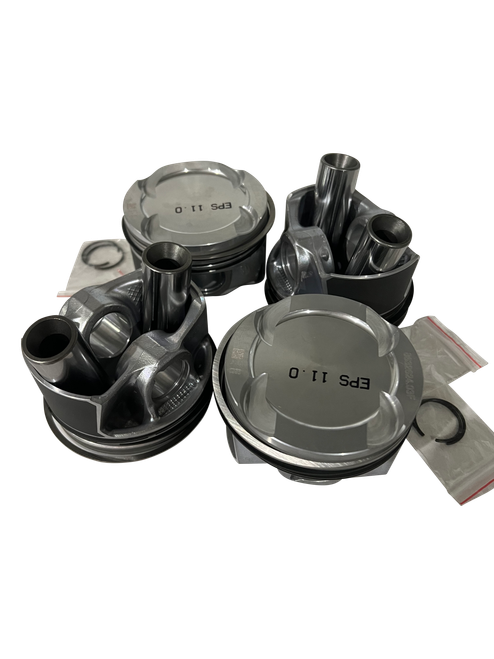
Once you know how the MINI will be used, create an upgrade path instead of buying parts one at a time without a plan. This makes it easier to control costs and avoid installing parts that later need to be replaced. For engine-related projects, supporting work should also be considered before moving toward a more aggressive setup. If your F56 needs internal engine work, review the SneedSpeed Engine Rebuild Kits category as part of your planning process.
- Step 1: Identify the exact vehicle, engine, and current setup.
- Step 2: Decide between street, track-day, or more committed race use.
- Step 3: Address maintenance and reliability before performance upgrades.
- Step 4: Prioritize parts that support your main driving goal.
- Step 5: Confirm fitment and supporting requirements before ordering.
- Step 6: Install, test, and review the car before moving to the next stage.
This approach keeps your SneedSpeed F56 upgrades focused on the actual needs of the car. It also makes it easier to understand why each part is being added. If you are planning engine work, use the technical school and blog resources alongside the Engine Rebuild Kits category so the parts, installation process, and intended use remain aligned.
Conclusion
The right F56 build starts with the way you use the car. A street MINI needs a balanced setup that works well during everyday driving, while a track-day MINI needs stronger attention to braking, cooling, suspension, tires, and repeatable performance. A more serious race build requires an even more complete plan. Instead of following a universal parts list, use your vehicle identity and driving goal to create your own best first mods for F56 MINI Cooper upgrade path. Confirm fitment before ordering, and review the Engine Rebuild Kits category when your project requires internal engine work. If you are unsure which direction your F56 should take, contact SneedSpeed for a product and fitment review. Ready to plan f56 street build vs track day build priorities? Review the linked SneedSpeed product path, confirm your exact vehicle and use case, and contact SneedSpeed before ordering if fitment or supporting parts are uncertain.