
MINI Cooper Forged Internals: A Guide to Choosing the Right Parts
Posted by Mamta Sharma on 9th Oct 2026
Forged Internals Product Path For MINI Cooper Builds is a commercial SEO asset for SneedSpeed buyers who need a real build path, not unsupported claims. The article should make the reader more confident about the next step while keeping them inside verified SneedSpeed product, category, and technical-resource paths. SneedSpeed?s brand position is simple: Built from Racing. Proven by Results. The voice should stay technical, practical, and customer-friendly. If we don't run it, we do not sell it. Internal-component choices depend on engine condition, use case, machine work, supporting systems, tuning strategy, and SneedSpeed review. As the product-path article, this asset should connect the buyer to rebuild kits, forged piston planning, head studs, timing or gasket-related review, complete-engine conversations, and SneedSpeed support where the source data does not prove a specific page.
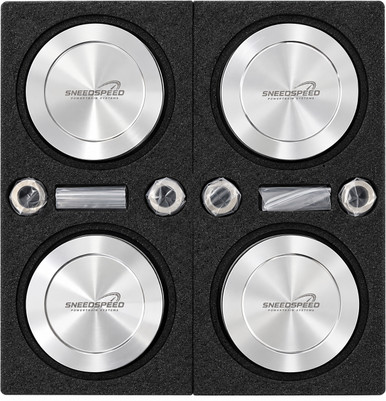
Check Your MINI Engine Before Choosing Forged Internals
Before buying forged engine parts, confirm your MINI's chassis, engine family, and current engine condition. Browse the Engine Rebuild Kits options only after checking which components your engine needs and whether they fit your build goals. These checks can help you avoid incorrect orders, extra machine work, and unnecessary costs.
- Confirm Your Chassis: Identify your MINI generation, such as the R53 or R56, and verify the model year. Parts can differ between generations, so do not assume they are interchangeable.
- Identify Your Engine Family: Check the exact engine code before selecting forged pistons, connecting rods, or rebuild kits. Confirm compatibility with your specific engine rather than relying on the model name alone.
- Inspect Your Engine Condition: Check for oil leaks, overheating, unusual noises, and signs of internal wear. An engine inspection can help determine whether you need a complete rebuild or only specific replacement parts.
- Verify Fitment Before Ordering: Review part numbers, dimensions, clearances, and installation requirements before purchasing. If you are unsure about compatibility or supporting components, contact SneedSpeed before ordering.
Choose Forged Internals for Your MINI Build Goals
Before choosing forged engine parts, decide how you plan to use your MINI Cooper and what your engine needs. If you're considering an R56 N14 Engine Rebuild Kit, confirm that it matches your engine code and intended use before ordering. Street driving, track days, and racing place different demands on engine components, so plan your build carefully.
- Street Use: For a daily-driven MINI, focus on engine condition, dependable operation, and parts that suit regular driving. Check whether stock internals meet your needs before investing in forged components.
- Track-Day Use: Track driving can place additional demands on engine cooling, lubrication, and internal parts. Inspect these systems and confirm that your chosen components suit your intended use.
- Race Use: A race-focused build may require specific forged pistons, connecting rods, clearances, and supporting modifications. Work with an experienced engine builder to confirm the parts and machine work required.
- Confirm Fitment Before Buying: Check your chassis, engine code, and rebuild kit specifications before placing an order. Visit SneedSpeed for MINI engine parts and technical resources, or contact the team if your build combination is uncertain.
Plan Your MINI Forged Engine Build as a Complete System
Choosing forged internals involves more than buying pistons or connecting rods. Review your engine condition, build goals, and supporting components before spending money. If you're considering an R56 N18 Engine Rebuild Kit, confirm that it matches your exact engine and required parts. Planning the complete setup can help you avoid compatibility issues, unexpected machine work, and extra costs.
- Review Your Rebuild Kit: Check which components are included and which must be purchased separately. Confirm the kit fits your chassis and engine code before ordering.
- Match Forged Pistons and Connecting Rods: Choose components that suit your engine specifications and intended use. Verify dimensions, clearances, and compatibility before arranging installation or machine work.
- Check Head Studs, Timing, and Gaskets: Confirm that the head studs, timing components, and gasket set are correct for your engine. Follow the appropriate service procedures and torque specifications during installation.
- Compare a Rebuild With a Complete Engine: If your engine needs extensive repairs, compare rebuilding it with replacing the complete engine. Consider parts costs, machine work, installation needs, and verified fitment before deciding.
Check MINI Engine Compatibility Before Buying Parts
Choosing forged internals for your MINI Cooper starts with confirming the exact chassis and engine family. Before considering a R53 Engine Rebuild Kit, check your engine specifications and required components, as R53 and R56 models use different engine platforms. Taking time to verify compatibility can help you avoid incorrect orders, extra costs, and installation problems.
- Confirm Your MINI Generation: Identify whether your car is an R50, R52, R53, R56, or another generation. Check the model year and chassis details instead of assuming parts fit across different generations.
- Verify Your Engine Code: Confirm the exact engine family before selecting forged pistons, connecting rods, head studs, or rebuild kits. Components designed for one engine may not fit another.
- Check Part Numbers and Specifications: Review manufacturer fitment details, dimensions, and installation requirements before ordering. Make sure each component matches your engine rather than relying on a general MINI model description.
- Contact SneedSpeed if Unsure: If you cannot confirm compatibility or need help choosing supporting parts, visit SneedSpeed to review available MINI engine parts and technical resources. Ask the team to verify the application before placing your order.
Get Expert Help Before Ordering Forged MINI Parts
Choosing forged internals for your MINI Cooper requires careful planning before you spend money. Check your engine specifications, parts list, and installation needs before making a decision. If your build includes Forged Piston Installation, confirm the required clearances, machine work, and supporting components first. Contact SneedSpeed before ordering if any part of your setup is uncertain.
- Confirm Engine Fitment: Check your MINI's chassis, model year, and exact engine code before choosing forged pistons or connecting rods. Ask SneedSpeed to verify compatibility if you're unsure about the correct application.
- Discuss Machine Work Requirements: Forged pistons may require specific measurements, cylinder preparation, or machining. Consult an experienced engine builder to confirm the work needed for your engine before buying parts.
- Review Supporting Components: Check whether your build also requires bearings, gaskets, head studs, timing components, or other replacement parts. Planning the full setup can help prevent missing components and unexpected costs.
- Contact SneedSpeed Before Ordering: Visit SneedSpeed to review available MINI engine parts and technical resources. If fitment, installation requirements, or supporting parts are unclear, contact the team before placing your order.
Check Your MINI Engine Condition Before Rebuilding
Start by checking your MINI engine's current condition and planning the machine work it may need. Before choosing parts, review the engine's wear, measurements, and repair needs. If your build requires an N14/N18 Cylinder Head Stud Kit confirm the correct fitment and installation requirements for your engine. A clear plan can help you choose the right parts and avoid extra work.
- Inspect the Engine Condition: Check the cylinders, pistons, crankshaft, and other key parts for wear or damage. This inspection helps you decide which components need replacement or further testing.
- Plan the Required Machine Work: Ask an experienced engine builder to check cylinder measurements, surface condition, and other machining needs. Complete these checks before ordering parts that depend on precise clearances.
- Confirm Parts Compatibility: Verify your MINI's model year, chassis, and exact engine code before buying pistons, connecting rods, or cylinder head studs. N14 and N18 engines may require different parts, so check fitment carefully.
- Prepare a Complete Parts List: Include the rebuild components, gaskets, bearings, timing parts, and any required fasteners. Reviewing the full list before work begins can help prevent missing parts and unexpected costs.
Use MINI Torque and Forged-Piston Resources for Build Planning
Before assembling your MINI engine, review the installation steps and clearance requirements for the parts you plan to use. The 2007-2013 MINI Torque Resource can help you check relevant torque specifications during the build process. Use technical guides to support your work, but confirm the final measurements, parts compatibility, and assembly requirements with an experienced engine builder.
- Review Forged-Piston Installation Steps: Check the installation guide for details on piston preparation, orientation, and fitment. Follow the instructions for your specific parts and engine application.
- Check Piston Clearance Requirements: Confirm the required piston-to-cylinder wall clearance and other measurements with the piston manufacturer or engine builder. Do not rely on general figures when your engine requires specific measurements.
- Verify Torque Specifications: Use the 2007-2013 MINI Torque Resource to help identify relevant fastener torque information for applicable models. Confirm the exact engine, component, and procedure before tightening any fasteners.
- Complete a Final Build Review: Have your engine builder check the machine work, clearances, fasteners, and supporting components before final assembly. Technical resources are useful references, but they do not replace a complete review of your specific engine build.
Plan Your MINI Engine Build With Compatible Components
A reliable MINI engine rebuild starts with choosing parts that work together. Use the 2002-2006 MINI Torque Resource to help check relevant torque specifications while planning your build. Pistons, connecting rods, fasteners, gaskets, timing components, and tuning support should all match your engine type and intended use. Review the complete setup with an experienced engine builder before assembly.
- Match Pistons and Connecting Rods: Choose pistons and rods that suit your engine code, bore size, and planned use. Confirm measurements and compatibility before ordering these key internal components.
- Check Fasteners and Gasket Selection: Verify the correct head studs, bolts, and gaskets for your engine and build requirements. Follow the part manufacturer's instructions for installation and tightening procedures.
- Review Timing Components: Inspect the timing chain, guides, tensioner, and related parts during the rebuild. Replace worn components as needed and confirm that the selected parts fit your specific engine.
- Plan Tuning Support Before Assembly: Make sure your tuning plan suits the engine hardware and intended use. Discuss fuel requirements, engine management, and any supporting modifications with a qualified tuner before running the rebuilt engine.
Verify MINI Engine Fitment Before Ordering Parts
Before ordering engine parts, confirm your MINI's bore size, engine family, and supporting components. Use the Tech School resources to help you understand key engine details and prepare for your rebuild. Check every part against your engine specifications, and ask an experienced engine builder to review any unclear fitment or measurement requirements.
- Confirm the Engine Family: Check your MINI's model year, chassis, and exact engine code before selecting rebuild parts. Do not assume components for one MINI engine will fit another.
- Verify Bore Size and Measurements: Check the current cylinder bore and any required machining before choosing pistons. Confirm the correct piston size and clearance with your engine builder and the parts manufacturer.
- Review Supporting Components: Check whether your build needs compatible bearings, gaskets, fasteners, timing components, or cylinder head studs. Make sure these parts suit your engine and rebuild plan.
- Check Fitment Before Purchase: Compare part numbers and manufacturer specifications before placing an order. If you are unsure about compatibility, contact SneedSpeed for guidance before buying.
Frequently Asked Questions
- Does forged internals product path for mini cooper builds have one universal answer?
No. The correct answer depends on engine condition, supporting parts, fuel, tuning, cooling, maintenance, use case, and verified fitment. - Does this article include horsepower or boost claims?
No. The production rule is to avoid unsupported absolute claims and route the buyer to the correct SneedSpeed path before ordering. - What should the buyer do before ordering?
Confirm the exact engine platform, intended use, and supporting product path with SneedSpeed, especially when fitment or build requirements are unclear. - Which schema should be used?
Use Article schema and FAQPage schema for the visible FAQ content. Add BreadcrumbList when the article is published inside the cluster. - Why should engine compatibility be checked before buying forged internals?
Confirm the engine code, bore size, part numbers, and required clearances before ordering. Ask SneedSpeed to review the setup if fitment or supporting components are unclear.
Conclusion
Ready to plan the right forged internals product path for MINI Cooper builds? Start by checking your engine's condition, exact engine code, bore size, and intended use. Ready to plan stock vs. forged internals? Start with the linked SneedSpeed product or technical path, confirm your exact engine platform and use case, and Contact Sneedspeed before ordering if anything is uncertain. Review the available SneedSpeed products and technical resources to understand which parts may suit your rebuild. Before ordering, make sure your pistons, connecting rods, fasteners, gaskets, timing components, and tuning plan work together. Check the required clearances, machine-work needs, and supporting parts with an experienced engine builder. Since every build has different requirements, avoid choosing parts based on general claims or assuming one setup will suit every MINI engine. Visit SneedSpeed to review the available engine parts and technical resources. If you are unsure about fitment, installation requirements, or the right product path for your MINI, contact SneedSpeed before ordering. Careful planning can help you make informed decisions and prepare for a more complete engine rebuild.