
MINI Cooper Piston Install And Clearance Planning Guide
Posted by Mamta Sharma on 13th Oct 2026
MINI Cooper Piston Install And Clearance Planning Guide is a commercial SEO asset for SneedSpeed buyers who need a real build path, not unsupported claims. The article should make the reader more confident about the next step while keeping them inside verified SneedSpeed product, category, and technical-resource paths. SneedSpeed?s brand position is simple: Built from Racing. Proven by Results. The voice should stay technical, practical, and customer-friendly. If we don't run it, we do not sell it. Piston choice depends on engine platform, bore requirement, machine work, intended use, supporting parts, and SneedSpeed fitment review. As the technical support article, this asset should slow the buyer down at the right moments: diagnosis, engine condition, machine work, install resources, fastener support, and fitment confirmation.
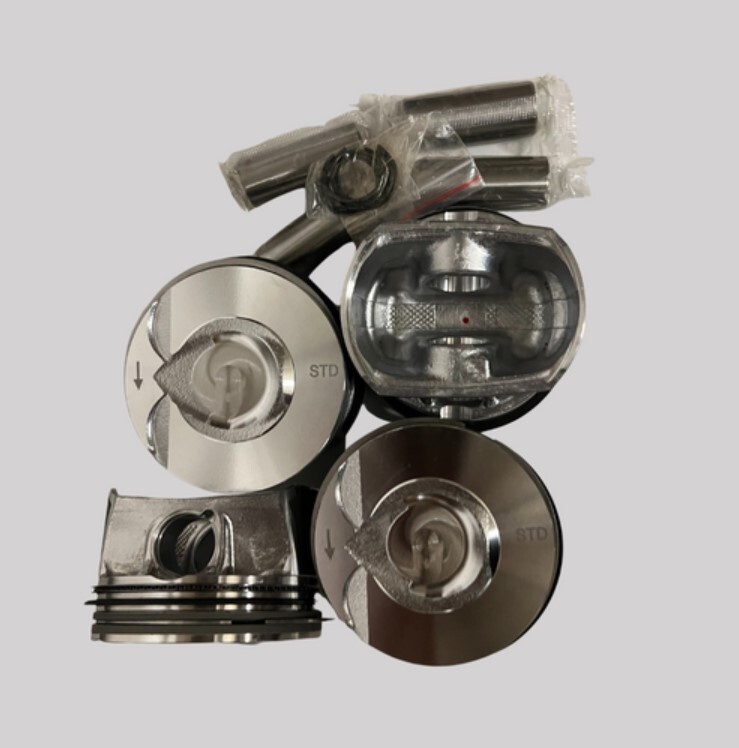
Confirm Chassis, Engine Family, and Current Engine Condition
Before choosing pistons or rebuild parts, check your MINI Cooper’s chassis, exact engine code, and current engine condition. The Engine Rebuild Kits category can help you review available options, but the right choice depends on your engine’s needs. Check these details first to avoid ordering parts that do not match your build.
- Identify your MINI Cooper model: Confirm the chassis, model year, and engine family before looking at piston or rebuild kit options. Similar models may use different engine components.
- Check the engine condition: Look for signs of wear, damage, oil consumption, or other issues that may affect the rebuild. A proper inspection can help identify which parts need attention.
- Review bore measurements: Check the cylinder bore and compare the measurements with the piston specifications. Do not choose piston sizes based on the model name alone.
- Plan the required machine work: Ask a qualified engine builder to assess the block and confirm the work needed before ordering parts. Accurate measurements help guide piston selection and clearance planning.
Choose Parts for Street, Track, or Race Use
Your intended driving style helps determine which piston and rebuild components may suit your MINI Cooper. For example, the R56 N14 Engine Rebuild Kit may be a relevant starting point for a compatible N14 build, but the right parts depend on the engine’s condition and requirements. Consider how the car will be used before choosing components.
- Street driving: Focus on a parts combination that matches your engine condition, maintenance needs, and planned driving. Confirm that each component is suitable for your specific setup.
- Track-day use: Consider the demands of repeated hard driving, along with cooling, lubrication, and tuning requirements. Have a qualified builder review the full combination before assembly.
- Race use: Review the engine specifications, expected operating conditions, and applicable racing requirements. Choose parts based on the complete build plan rather than assuming one piston setup fits every race application.
- Match parts to your goals: Compare piston specifications, rods, fasteners, and other rebuild components against your intended use. Confirm fitment and supporting system requirements before placing an order.
Review MINI Cooper Rebuild Parts as a System
Engine rebuild parts work together, so choosing each component separately can lead to missed requirements. The R56 N18 Engine Rebuild Kit may be a useful starting point for a compatible N18 project, but the final parts list should reflect the engine’s condition, measurements, and intended use. Review the complete combination before ordering.
- Check piston and connecting rod requirements: Confirm piston specifications, bore size, compression requirements, and rod compatibility with your engine build. Ask your engine builder to verify clearances before assembly.
- Review fasteners and head studs: Check whether the selected fasteners and head studs match the engine and intended application. Follow the correct installation procedure and torque specifications for each component.
- Plan gasket and timing components: Review gasket selection and inspect the timing system as part of the rebuild plan. Replace or service components as needed based on their condition and the engine builder’s recommendations.
- Consider the complete engine setup: Include cooling, lubrication, fuel delivery, and tuning requirements when planning the build. Confirm that supporting systems suit the selected components and intended use.
Verify Compatibility Across MINI Engine Families
MINI Cooper models can use different engines, components, and installation specifications, even when their model names appear similar. The R53 Engine Rebuild Kit is intended as a starting point for researching a compatible R53 build, not a universal option for every MINI Cooper. Always verify the exact engine platform before choosing parts.
- Verify the engine code: Confirm the engine family and code from reliable vehicle or engine records. Do not rely on the model year or vehicle badge alone to identify the correct components.
- Check the exact part specifications: Compare the manufacturer’s fitment details, dimensions, and installation requirements with your engine. Similar-looking parts may have different specifications.
- Confirm measurements and clearances: Check bore size, piston dimensions, and required installation clearances against the relevant technical specifications. Have a qualified engine builder verify measurements before assembly.
- Review the full parts combination: Make sure pistons, rods, fasteners, gaskets, and timing components are appropriate for the same engine setup. Contact SneedSpeed if compatibility remains uncertain.
Confirm Fitment and Parts with SneedSpeed Before Ordering
Checking details before ordering can help you avoid buying components that do not match your MINI Cooper build. The Forged Piston Installation resource can help you understand key installation and clearance considerations, but it does not replace a fitment check or professional engine assessment. Contact SneedSpeed if you need help confirming the correct parts or build requirements.
- Share your engine details: Provide your chassis, model year, and exact engine code when asking for guidance. These details help narrow down the relevant product options.
- Explain your intended use: Let the team know whether the MINI Cooper is for street driving, track days, or racing. Your use case can affect which components and supporting systems need review.
- Ask about machine-work requirements: If the block needs machining or the bore measurements are uncertain, consult a qualified engine builder before ordering pistons. Confirm the required specifications before finalizing your parts list.
- Confirm supporting parts and fitment: Review the complete rebuild combination if you are unsure about rods, head studs, gaskets, timing components, or other parts. Resolve compatibility questions before placing your order.
Check Engine Condition and Plan Machine Work
Before choosing pistons or rebuild parts, check your MINI Cooper’s engine condition and identify any required machine work. The N14/N18 Cylinder Head Stud Kit may be relevant to certain engine builds, but component selection depends on your exact engine and setup. Start with accurate measurements and a clear rebuild plan before ordering parts.
- Inspect the engine: Check for wear, damage, oil consumption, and other signs that may affect the rebuild. A qualified engine builder can help identify which components need attention.
- Measure the cylinder bores: Check the bore size and condition before selecting pistons. Use the measurements to determine whether machining or other corrective work is needed.
- Plan the required machine work: Have the engine block and related components inspected before finalizing your parts list. Confirm the required clearances and specifications with your engine builder.
- Match parts to the build: Review pistons, rods, head studs, and other components against your engine specifications. Confirm compatibility before purchasing parts.
Use Piston Installation and Clearance Resources Correctly
Piston installation requires careful attention to measurements, clearances, and manufacturer specifications. The 2007-2013 MINI Torque Resource can help you research relevant torque information for applicable models, but it should not replace the correct service manual or a final build review. Confirm the specifications for your exact engine before assembly.
- Review piston installation guidance: Learn the main steps involved in preparing and installing pistons. Follow the instructions supplied with your selected components.
- Check piston clearances: Confirm piston-to-cylinder clearance and other required measurements using the specifications for your engine and pistons. Do not rely on general figures for every build.
- Verify torque specifications: Use the correct service information for fasteners and engine components. Follow the specified tightening sequence and procedures during assembly.
- Arrange a final build review: Have a qualified engine builder check measurements, component fitment, and installation requirements before assembly is completed. Technical resources support this process but do not replace professional verification.
Treat Engine Components as One Connected System
Pistons, connecting rods, fasteners, gaskets, timing parts, and tuning requirements should be considered together when planning a rebuild. The 2002-2006 MINI Torque Resource can help with relevant torque information for applicable models, while the rest of the build should follow the correct engine specifications. Check that every selected component suits the same engine setup.
- Match pistons and rods: Confirm that piston dimensions and connecting rod specifications are suitable for your engine. Check compatibility and required clearances before assembly.
- Review fasteners and head studs: Choose components that match the engine and intended application. Follow the correct installation instructions and torque specifications.
- Check gaskets and timing parts: Review gasket requirements and inspect timing components as part of the rebuild plan. Replace parts when required by their condition or the builder’s recommendations.
- Plan tuning and supporting systems: Consider fuel delivery, cooling, lubrication, and tuning alongside the internal engine parts. Confirm that the full setup meets the needs of your intended use.
Confirm Bore Size, Engine Family, and Supporting Parts
Before ordering, verify your MINI Cooper’s exact engine family, cylinder bore measurements, and required supporting components. The SneedSpeed Tech School can help you research technical topics and prepare for your build, but final part selection must follow verified specifications. Check these details carefully to reduce the risk of fitment problems.
- Identify the engine family: Confirm the engine code, chassis, and model year using reliable vehicle or engine records. Do not assume that similar MINI models share the same parts.
- Verify bore measurements: Measure the cylinder bores and compare them with the selected piston specifications. Ask your engine builder to confirm the measurements and required clearances.
- Check supporting components: Review rods, head studs, gaskets, timing parts, and other items needed for the rebuild. Make sure they are appropriate for your exact engine setup.
- Confirm fitment before ordering: Compare product specifications with your engine details and build requirements. Contact SneedSpeed if you are unsure about compatibility, machine work, or supporting parts.
Frequently Asked Questions
- Does mini cooper piston install and clearance planning guide have one universal answer?
No. The correct answer depends on engine condition, supporting parts, fuel, tuning, cooling, maintenance, use case, and verified fitment. - Does this article include horsepower or boost claims?
No. The production rule is to avoid unsupported absolute claims and route the buyer to the correct SneedSpeed path before ordering. - What should the buyer do before ordering?
Confirm the exact engine platform, intended use, and supporting product path with SneedSpeed, especially when fitment or build requirements are unclear. - Which schema should be used?
Use Article schema and FAQPage schema for the visible FAQ content. Add BreadcrumbList when the article is published inside the cluster. - Why are piston clearances important during installation?
Correct clearances help ensure the pistons match the engine’s bore measurements and specifications. Always verify the required measurements before assembly.
Conclusion
Ready to plan your MINI Cooper piston installation and clearance requirements? Start with the relevant SneedSpeed product or technical resource, then confirm your exact engine platform, engine code, and intended use. Check your engine’s condition, cylinder bore measurements, and machine-work needs before selecting pistons or other rebuild components. Piston installation requires careful measurement and attention to the specifications for your engine and chosen parts. Review piston clearances, connecting rods, head studs, gaskets, timing components, and supporting systems as part of the complete build plan. Do not assume that the same parts or clearances will work across different MINI Cooper generations or engine families. Use SneedSpeed’s technical resources to help guide your research, and consult a qualified engine builder to verify measurements and installation requirements before assembly. If you are unsure about fitment, machine work, or supporting components, Contact Sneedspeed before ordering. Taking time to check these details can help you choose suitable parts for your specific MINI Cooper build.