
MINI Cooper Track Day Reliability Checklist for Smarter Upgrades
Posted by Mamta Sharma on 10th Aug 2026
Preparing a MINI Cooper for a track day involves much more than installing new parts. A reliable car starts with careful inspection, regular maintenance, and a clear understanding of the vehicle's current condition. Before selecting upgrades, it is important to know what is already installed, what maintenance has been completed, and whether the car is ready for the demands of track driving. This MINI Cooper Track Day Reliability Checklist is designed to help owners make informed decisions before ordering parts. Instead of rushing into modifications, this guide focuses on checking the vehicle first, reviewing trusted technical resources, and confirming that every upgrade matches the chassis, engine, and intended use.
At SneedSpeed, every recommendation follows one simple principle:
Built from Racing. Proven by Results.
This is not a list of the biggest upgrades or the latest trends. It is a practical guide built around verified product paths and technical information. If there is any uncertainty about your MINI's fitment, engine family, or supporting components, contact SneedSpeed before placing an order.
Why Reliability Should Come Before Upgrades
Many MINI owners focus on performance upgrades before confirming that the vehicle is mechanically prepared for track use. While new components may be part of the long-term plan, reliability should always be the first priority. A thorough inspection helps identify maintenance items before they become larger problems during an event.
Before choosing any upgrades, review:
- Engine condition
- Cooling system
- Oil leaks
- Service history
- Existing modifications
- Fasteners and hardware
- Belts and hoses
Completing these checks first creates a stronger foundation for future modifications and helps keep your build organized. The best MINI Cooper track day mods should always begin with a reliable vehicle.
Start by Identifying Your MINI
Every reliability checklist begins with confirming exactly which MINI you own.
Record important vehicle information, including:
- Model year
- Chassis code
- Engine family
- Transmission type
- Current modifications
- Planned vehicle use
These details help determine which parts, technical resources, and installation procedures apply to your build. Different MINI generations use different engines and components. Never assume that parts fit every model simply because they appear similar. If your MINI has already been modified, inspect those changes carefully before adding anything new.
Review the Vehicle's Maintenance History
Maintenance history is one of the most important parts of preparing a track-day MINI.
Ask yourself:
- When was the last major service completed?
- Have any engine repairs been performed?
- Are there any known leaks or warning signs?
- Have worn components already been replaced?
- Has the vehicle been regularly maintained?
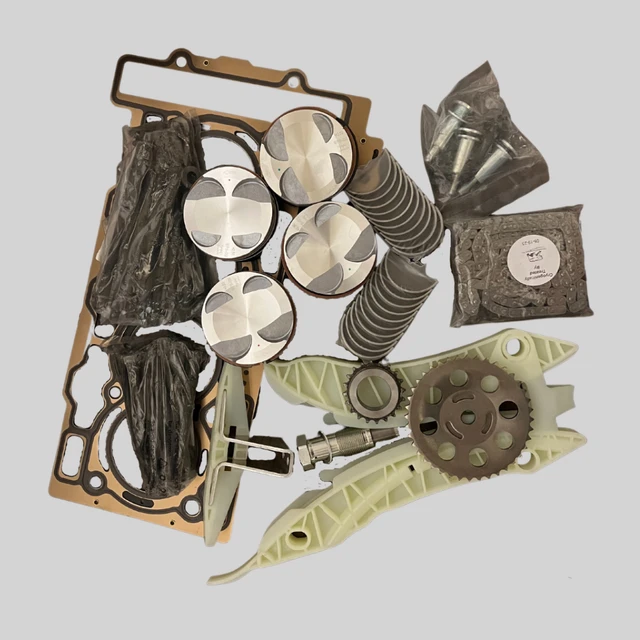
If the maintenance history is incomplete or unknown, inspect the vehicle carefully before moving forward with upgrades. In some situations, reviewing engine rebuild options may be the most practical next step. You can begin by exploring the SneedSpeed Engine Rebuild Kits category. If you are unsure which rebuild path fits your MINI, contact SneedSpeed before ordering.
Inspect the Engine Before Track Use
Track driving places greater demands on the engine than everyday road use.
Before attending an event, inspect key areas such as:
- Cooling system
- Oil system
- Timing components
- Gaskets and seals
- Engine fasteners
- General engine condition
Addressing maintenance concerns before adding upgrades helps create a more dependable vehicle and reduces the chance of unexpected issues during track sessions. The goal of this MINI Cooper Track Day Reliability Checklist is to encourage careful planning rather than rushing into modifications.
Use Technical Resources Before Beginning Work
Reliable installation starts with reliable information. Before beginning maintenance or installing new components, review the technical resources available through SneedSpeed.
Helpful resources include:
- Installation articles
- Technical references
- Builder-focused guides
- Maintenance information
- Educational content
SneedSpeed Tech School These guides help owners understand installation procedures, identify supporting parts, and prepare for maintenance before beginning work.
Confirm the Correct Torque Specifications
Whenever engine components are removed or installed, proper torque specifications are an important part of the process. SneedSpeed provides dedicated torque specification resources for different MINI generations.
For 2002–2006 R50, R52, and R53 models.
For 2007–2013 R55, R56, R57, R58, R59, R60, and R61 models.
Always verify that you are using the correct resource for your specific chassis and engine before beginning any installation or maintenance work.
Complete Your Reliability Checklist Before Every Track Day
A reliable track-day MINI is the result of regular inspections, not last-minute preparation. Before every event, take time to check the vehicle from front to back. Even small maintenance issues can become larger problems when the car is driven harder than it is during normal road use.
A practical MINI Cooper Track Day Reliability Checklist includes:
- Confirm the chassis and engine family.
- Check fluid levels and inspect for leaks.
- Inspect belts, hoses, and clamps.
- Review the condition of engine mounts.
- Check brake components and brake fluid.
- Inspect suspension and steering parts.
- Verify wheel hardware and tire condition.
- Review any recent modifications.
- Confirm all maintenance is up to date.
Following the same inspection routine before every event helps you spot potential issues early and keeps your build organized.
Inspect Supporting Systems
Engine reliability depends on more than the engine itself. Supporting systems should also be checked before heading to the track.
Pay close attention to:
- Cooling system
- Lubrication system
- Brake system
- Suspension components
- Steering components
- Electrical connections
- Engine fasteners
If any component shows excessive wear or damage, address it before installing additional upgrades or attending a track event. A reliable MINI is built by maintaining the entire vehicle, not just one system.
Slow Down Before Ordering Parts
One purpose of this technical support guide is to encourage buyers to pause before making purchasing decisions.
Ask yourself:
- Is the current engine healthy?
- Have maintenance items been completed?
- Does the vehicle already have aftermarket parts installed?
- Have I confirmed my exact engine family?
- Am I following verified technical information?
Answering these questions first can help you avoid buying parts that may not match your MINI or your build goals. The best MINI Cooper track day mods are chosen after understanding the vehicle—not before.
Use Verified Technical Information
It is easy to find opinions online, but reliable technical information is much more valuable when planning maintenance or upgrades.
Before beginning any work:
- Read installation guides.
- Review technical articles.
- Check the appropriate torque specification resource.
- Understand the complete installation process.
- Confirm any supporting parts that may also be required.
Using trusted technical resources helps reduce installation mistakes and makes future maintenance easier. If you are uncertain about any step, contact SneedSpeed before ordering parts.
Common Reliability Mistakes to Avoid
Many reliability issues begin with simple oversights rather than major mechanical failures.
Common mistakes include:
- Skipping routine inspections before a track event.
- Ignoring small fluid leaks.
- Assuming previous modifications were installed correctly.
- Using incorrect torque specifications.
- Ordering parts without confirming fitment.
- Overlooking supporting components during maintenance.
Taking time to inspect the entire vehicle helps reduce unnecessary surprises and supports a more dependable track-day experience.
When to Contact SneedSpeed
Some maintenance decisions are straightforward, while others require additional guidance.
Contact SneedSpeed before ordering if:
- You are unsure which engine family your MINI uses.
- Your vehicle has previous modifications.
- You are planning a larger engine service or rebuild.
- You are uncertain about fitment.
- You need help selecting supporting components.
- Your build goals have changed from street use to regular track events.
Confirming these details before purchasing parts helps ensure you choose the correct product path for your vehicle.
Continue Your Track Day Build
This article focuses on preparing your MINI through careful inspection and maintenance. For the complete upgrade strategy, including planning modifications for the entire vehicle, return to the Best MINI Cooper Track Day Mods pillar article once it is published. You can also continue learning through the SneedSpeed Blog and Tech School, where additional technical information and installation resources are available to support your build.
Frequently Asked Questions
- What should I upgrade first for the best MINI Cooper track day mods?
Begin by checking your MINI's current condition, maintenance history, and engine health. Confirm the correct fitment path with SneedSpeed before selecting any upgrades. - Does this guide make performance claims?
No. This guide is intended to help owners plan maintenance and reliability checks. It does not make unsupported claims about power, durability, pricing, warranty, shipping, or inventory. - Which SneedSpeed resource should I review first?
Start with the Engine Rebuild Kits category if engine work is required. You should also review the Blog, Tech School, and the correct torque specification resource for your MINI before beginning installation or maintenance. - Why is reliability more important than adding new parts?
A well-maintained vehicle provides a better foundation for future upgrades. Addressing maintenance items first helps reduce installation issues and supports a more organized build. - When should I contact SneedSpeed?
Contact SneedSpeed before ordering if you are unsure about your chassis, engine family, fitment, existing modifications, or the supporting parts needed for your planned track-day build.
Conclusion
A dependable track-day MINI begins with preparation, careful inspection, and informed decision-making. This MINI Cooper Track Day Reliability Checklist is designed to help you evaluate your vehicle before ordering parts or attending an event. By confirming your chassis, engine family, maintenance history, and overall vehicle condition, you can make more confident decisions about future upgrades. Rather than relying on online opinions or incomplete fitment information, use verified SneedSpeed product pages and technical resources to guide your planning. If there is any uncertainty about compatibility, supporting components, or your intended use, it is always worth confirming the details before purchasing parts. If you are unsure about your chassis, engine family, fitment, or supporting components, contact SneedSpeed before ordering so you can follow the right path with confidence.