
N14 Oil Pump Failure, Replacement, and Rebuild Guide
Posted by Mamta Sharma on 23rd Sep 2026
A N14 oil pump question usually starts after a noise, a warning light, a rebuild plan, or a track-prep conversation. The part matters, but the better question is what the oiling system has already lived through. The N14 oil pump supplies bearings, turbocharger life, and timing-chain behavior, so one pressure complaint can point at several connected areas. SneedSpeed looks at the oil pump as part of the engine's foundation. Bearings, timing parts, turbo or supercharger load, oil temperature, and debris history all change the answer. That is why the right path is not automatically the newest part in the catalog. This guide is written for owners who want a practical answer before they spend money. It explains what the pump does, what failure can look like, what else can copy the same symptoms, and when replacement belongs in a rebuild or performance plan. The important part is not memorizing a failure list. The useful part is learning how the oiling system talks: pressure behavior, debris, heat, bearing marks, timing noise, and the way the car is used all carry different information. Once those clues are separated, the parts choice becomes much cleaner. That is how a repair turns into a plan. The same logic protects the next startup.
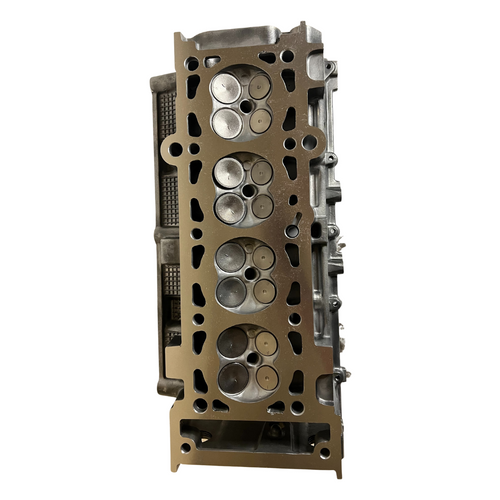
Why the N14 Oil Pump Is Critical for Engine Performance
Oil film is the working space between metal parts, not a bonus layer. When that film collapses, the crank, rods, and bearings stop riding on oil and start transferring heat and material. A healthy pump still cannot save an engine with excessive bearing clearance. The pump supplies volume, but the bearings control how quickly that oil escapes. That is why pressure readings are really a conversation between the pump, the clearances, oil temperature, and the path back to the pan.
- Oil Pressure and Bearing Protection: The Pump Oil, but pressure is resistance to flow. Open up the clearances, heat the oil, or restrict the pickup, and the same pump can look weak even before the pump is the main failed part.
- Pump Condition and Bearing Clearance: That is why pump condition has to be read with bearing condition. A pump can move oil, but the rotating assembly decides how controlled that oil stays once the engine is hot.
- Oil Supply and Contamination History: The customer usually sees one part number. The engine sees a pressure supply, a leakage path, a heat problem, and a contamination history all working at the same time.
- Oil Pressure Diagnosis and Teardown: That is also why the cheapest diagnosis can become expensive if it skips the basics. A teardown makes this easier to see because the bearing surface records whether oil carried the load.
Symptoms of N14 Oil Pressure Problems and Pump Failure
A warning light, lifter-style noise, chain rattle, or bearing knock can all send the owner toward the pump, but each symptom starts from a different mechanical question. A bearing knock that shows up hot is not the same clue as a chain rattle at startup. One asks about clearance and oil film under load. The other may ask about drainback, tensioner behavior, timing wear, or supply delay.
- Oil Pressure Warning and Engine Noise: Noise location matters less than noise behavior. A sound that changes with temperature, oil level, rpm, or load gives better direction than a single description like ticking, knocking, or rattling.
- Cold Start Noise vs. Hot Engine Noise: A cold noise that fades and a hot noise that gets worse are not the same complaint. One may point toward delayed oil control, while the other may point toward clearance that opens up as temperature rises.
- Identifying Oil Pressure Trouble Through Symptoms: The best question is what changes the symptom. Temperature, rpm, oil level, cornering, braking, and load all help separate a pump concern from a bearing, timing, or pickup concern.
- Recording Symptoms Before Engine Teardown: The symptom pattern should be written down before parts are removed. Hot idle, cold start, braking, cornering, and sustained rpm each stress the oiling system in a different way. A customer description gets the conversation started, but the engine parts decide whether the complaint was supply delay, clearance loss, restriction, or mechanical wear showing up through noise.
Common Causes of N14 Oil Pump Failure and Oil Pressure Loss
Oil control can be lost through pump wear, loose bearing clearance, restricted pickup flow, heat, contamination, or damage from a previous failure. Previous engine damage is easy to underestimate. Once bearing material or hard debris moves through the oiling system, the pump can be scratched, the pickup can be restricted, and new parts can be fed contaminated oil if the system is not cleaned correctly.
- Pump Wear and Bearing Clearance: Heat turns small problems into larger ones because hot oil leaks past worn clearances faster. A marginal engine can look acceptable cold, then lose control when the oil thins and the load stays in it.
- Previous Engine Damage and Pump Failure: A pump can be blamed late in the failure because it is easy to name. The harder work is finding out whether it started the problem or was damaged by debris after another part failed.
- Contamination and Unknown Service History: Engines with unknown service history need extra suspicion. Old oil, overheated oil, and previous repair debris can leave the oiling system compromised even after the car seems to run normally.
- Oil System Debris and Recurring Damage: Small contamination can create large consequences because the pump and bearings are not designed to digest debris. Once material starts circulating, the oiling system can damage more parts than the original failure did. Failure also has timing. A pump damaged after bearing material passed through it is not the same repair as a clean engine that simply has a worn pump.
N14 Oil Pump Diagnosis: Inspection, Debris, and Failure Evidence
The useful evidence is physical: what is in the filter, what sits in the pan, how the pickup looks, where bearing material moved, and whether timing parts show oil-control stress. Debris has a language. Fine metallic paste, copper color, bearing flakes, hard grit, and chain-guide material do not mean the same thing. The material points toward the part that was giving itself up.
- Oil Filter Inspection and Debris Analysis: A single pressure reading helps, but it does not replace inspection. The number tells what the system is doing at that moment; the filter and pan show what the engine has been doing over time.
- Oil Filter and Oil Pan Inspection: Opening the filter is not busywork. It shows whether the engine is shedding bearing material, chain-guide material, or hard particles that could score the pump and move through the galleries.
- Oil Pan and Pickup Inspection: The oil pan matters because gravity keeps evidence there. A clean pan and a dirty filter say something different than a pickup packed with debris and metallic paste sitting in the bottom.
- Planning the Correct N14 Engine Repair: Good diagnosis slows the parts order down for a reason. The N14 rebuild kit may need a pump, but it may also need bearings, timing work, cleaning, or a wider rebuild path to keep the new part alive. The order of inspection matters. Filter first, pan next, pickup and visible debris after that, then bearing and timing evidence if the engine is already coming apart.
When N14 Oil Pump Replacement Makes Sense
Replacement makes the most sense when the pump is suspect and access is already open, because labor overlap changes the decision more than the part price does. If the engine is already apart for timing service, bearings, or a rebuild, N14/N18 torque specs the oil pump decision should be made while the evidence is visible. Waiting until the engine is assembled again turns a practical decision into a second teardown.
- Oil Pump Condition and Internal Wear: A pump with unknown debris history is different from a pump removed from a clean, healthy engine. The outside can look normal while the scoring inside tells the real story.
- Replacement During Engine Teardown: The decision gets easier when related labor is already happening. Once access is open, replacing a questionable pump may be the cheaper decision compared with paying to reach it again later.
- Oil Pump History and Previous Engine Damage: A clean used pump from a known engine is a different discussion than a pump from an engine that ate bearings. History matters because the pump carries whatever the oil carries through it.
- Evaluating Whether Pump Replacement Is Necessary: The practical question is whether the old pump has earned another service life. Mileage, heat exposure, metal in the oil, and unknown history all push that answer in different directions. Replacement is not about fear. It is about whether the old pump can be trusted after the evidence is read and the labor picture is understood.
N14 Engine Rebuild: Oil Pump, Bearings, and Internal Inspection
A rebuild lets the failure pattern tell the story. Bearing shells, crank journals, pump surfaces, pickup debris, and oil passages each answer a different question. Bearing wear patterns show whether the oil film was lost evenly, loaded on one side, contaminated, or starved. That matters because each pattern leads to a different correction.
- Bearing Shells and Wear Patterns: The crank journals tell whether the oil film stayed alive under load. Scoring, heat color, or uneven wear can point toward pressure loss, contamination, or clearance trouble.
- Oil Pump and Pickup Screen Inspection: The pickup screen deserves attention because it is the last guard before the pump. A partly restricted pickup can create symptoms that look like pump weakness while the real restriction sits upstream.
- Crank Journals and Oil Passage Inspection: Oil passages should not be treated as magically clean. If debris moved through the engine, the rebuild plan has to account for where that debris could still be hiding.
- Connecting Rebuild Findings to the Original Failure: Inspection should connect the dots instead of listing damage. A scored pump, Wiped Bearing, dirty pickup, and noisy timing system can be separate symptoms of the same oiling event. The parts should agree with each other. If the bearing shells show debris but the pickup is ignored, the rebuild may miss the source of the next problem.
N14 Engine Rebuild Parts: Oil Pump, Bearings, and Timing Components
The oil pump belongs in the same conversation as bearings, timing parts, gaskets, fasteners, forged internals, complete engines, and the oil chosen for the use case. Bearings and pump health have to be considered together because one controls supply and the other controls leakage. Replacing only one side of that relationship can leave the oiling system unbalanced.
- Oil Pump and Bearing Replacement: Timing components matter because poor oil control can change chain-tension behavior. On engines especially, the oiling conversation can run straight into timing reliability.
- Timing Components and Rebuild Kits: A rebuild kit makes sense when the parts are chosen as a system. Pump, bearings, timing components, gaskets, and fasteners all affect whether the engine leaves the stand with a real plan.
- Forged Internals and Oil Control: Forged piston clearances and rods do not remove the need for oil control. Stronger hard parts still rely on the same oil film when heat and load climb. This is where random upgrades get expensive.
- Planning the Complete Engine Repair: A parts list should have a reason behind it. If the oiling system failed because the rotating assembly was hurt, the repair has to reach the rotating assembly, not stop at the pump. A forged part does not protect the engine from oil starvation if the oiling system still carries the original weakness.
N14 Oil Pump Performance for Street, Track, and Race Use
Street driving gives the oiling system recovery time. Track and race use heat and load stacked together, which exposes marginal parts faster. Track use does not just add rpm. It adds long heat soak, repeated braking, cornering load, and less time for oil temperature to settle. That is why a car can be quiet around town and still need oiling work before track use.
- Street Driving and Oil Pump Reliability: Street oiling problems often show up as warning signs. Track oiling problems can arrive as damage because the engine spends more time hot, loaded, and away from easy recovery conditions.
- Track Use and Oil Temperature Control: Use case decides how much margin the N14/N18 head studs engine needs. A daily driver may need dependable recovery and clean service history, while a track car needs stability when the oil is hot and the session is not over.
- Race Engine Reliability and Maintenance: Race engines are planned around repeatability. The question is not whether the engine survives one pull; it is whether oil control stays stable after the same abuse happens again and again. Race use also changes maintenance. A race engine is inspected on purpose, not only when it complains, because the cost of catching oiling trouble early is lower than losing the engine.
- Track Sessions and Sustained Engine Load: Session length matters as much as peak load. Oil that survives a short pull may not stay controlled after repeated laps, rising temperature, and long braking zones.
N14 Oil Choice, Viscosity, and Engine Service Requirements
Viscosity supports the clearance package the engine already has. It cannot restore worn bearing geometry, clean damaged passages, or make a scored pump new again. A thicker oil may change noise or pressure behavior, but that can hide the condition instead of fixing it. If the bearing has lost shape or the pump is scored, oil choice is support, not repair.
- Oil Viscosity and Engine Condition: Motul 8100 5W-40 and Motul 300V belong in different conversations depending on use, temperature, service interval, and engine condition. The oil should match the build, not compensate for skipped inspection.
- Oil Selection for Street and Track Builds: Oil selection should follow the build rather than lead it. The right oil for a fresh, tight, street engine may not be the right answer for a hot track engine with different service demands.
- Oil Changes and Contamination Control: Changing oil after a failure is not the same as cleaning the system. If metal went through the engine, the Pump Kit, pickup, passages, and cooler path need real attention.
- Oil Service Intervals and Engine Protection: Service interval matters because oil carries the evidence of the engine's condition. Ignoring dirty or metallic oil means the next part installed may inherit the last failure. Oil is part of the plan, not the whole plan. The correct oil supports good mechanical choices; it should not be asked to cover for bad ones.
SneedSpeed's Recommended N14 Oil Pump Replacement and Rebuild Path
The right order is platform, evidence, use case, then parts. That keeps the build from becoming a pile of unrelated upgrades. A clean path starts with what the engine proves. If the oil is clean, clearances are controlled, and the car is street-driven, the answer may be different from a hot track engine with debris in the pan.
- Platform, Evidence, and Parts Selection: SneedSpeed starts with the engine in front of the customer: platform, symptoms, parts already installed, use case, and evidence from the oiling system.
- Engine Condition and Practical Recommendations: If we do not run it, we do not sell it. That standard is useful because it keeps the recommendation tied to parts that belong together instead of parts that only look impressive in a cart.
- Street, Track, and Race Engine Planning: That is how the recommendation stays practical. A street refresh, track build, and race engine can share vocabulary while needing different parts and different inspection standards.
- Choosing the Right N14 Engine Build: The recommendation should make sense when the engine is assembled and when it is back under load. That is the standard SneedSpeed uses when choosing between refresh, N14 Rebuild Kit , forged, street-engine, and race-engine directions. The cleanest recommendation is the one that would still make sense after the customer sees the old parts on the table.
Frequently Asked Questions
- Can an Oil Pump Fix Low Oil Pressure by Itself?
Sometimes it is part of the fix, but pressure loss can also come from bearing clearance, oil temperature, pickup restriction, or debris. The cause should be checked before ordering parts. - Should the Oil Pump Be Replaced During an N14 Rebuild?
If the engine has mileage, heat history, track use, metal in the oil, or unknown failure history, it belongs in the rebuild discussion. The pump should be inspected before making the final decision. - Can N14 Oil Pressure Symptoms Be Caused by Multiple Issues?
Yes. Oil pressure, timing noise, bearing wear, and turbo or supercharger stress can overlap enough that inspection matters. Checking the filter, pan, and pickup helps identify the cause. - Is the Most Expensive N14 Engine Repair Always Best?
No. The best path is the one that matches the evidence, the platform, and the way the car will be used. The repair should address the actual problem rather than add unrelated upgrades. - What Should Be Checked Before Ordering N14 Oil Pump Parts?
The short version is simple: prove the cause, match the parts, and do not expect oil or a single component to correct a worn or contaminated engine. A checked filter, pan, pickup, and bearing story makes the answer better.
Conclusion
Before ordering N14 oil pump parts, confirm the engine platform, symptoms, previous failure history, and intended use. Proper inspection of the pump, bearings, pickup, and oil passages helps identify the actual cause of oil pressure problems and avoid repeated engine damage. Whether your N14 needs an oil pump replacement, a complete rebuild, or a performance upgrade, SneedSpeed can help match the parts to your engine condition and driving needs. Contact SneedSpeed to discuss your N14 oil pump concerns, explore rebuild options, and find the right parts for your engine.