
N18 MINI Engine Build Product Path: Plan Your Build
Posted by Mamta Sharma on 2nd Oct 2026
If you are asking how much power an N18 MINI makes, the first step is understanding what the engine needs before choosing parts. N18 power potential depends on the condition of the engine, supporting parts, fuel, tuning, cooling, maintenance, intended use, and correct product fitment.
A good MINI Cooper engine build path should therefore start with the engine platform and current condition. From there, you can review the rebuild kit, internal engine components, head studs, installation requirements, and supporting systems as one complete plan. SneedSpeed focuses on practical engine-building solutions without unsupported output promises. If you are unsure about your N18 application, machine work, or the combination of parts required, confirm the details with SneedSpeed before ordering.
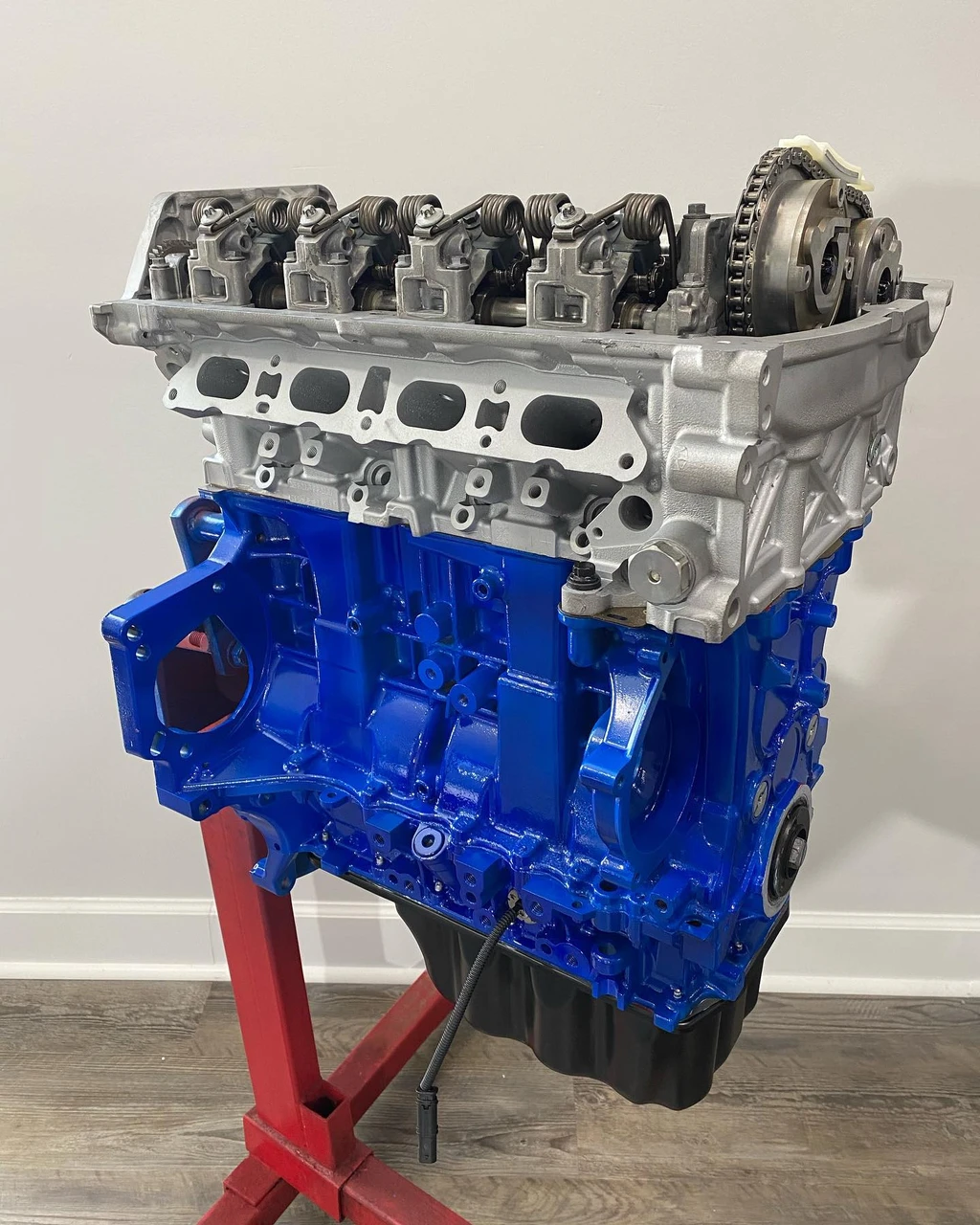
Start With Your N18 Engine Platform
Before selecting MINI Cooper rebuild parts, confirm exactly which MINI and engine you are working with. N18 applications can vary, and compatibility should always be verified for the specific vehicle and engine.
Start your build plan by confirming:
- MINI chassis and model year.
- Exact engine family.
- Current engine condition.
- Existing engine modifications.
- Intended vehicle use.
- Current supporting components.
- Machine-work requirements.
- Required installation procedures.
- Product fitment.
This first step helps prevent a common problem with engine builds: choosing parts before confirming that the complete combination is appropriate for the engine. Do not assume that a part listed for an N14, N18, R56, or another MINI application will automatically fit your specific engine.
Begin With the N18 Engine Rebuild Path
If your N18 engine requires rebuilding, start by reviewing the available rebuild components and determining what the engine actually needs. The R56 N18 MINI Cooper S JCW Engine Rebuild Kit is a relevant SneedSpeed product path for reviewing N18 rebuild requirements.
Before ordering, review:
- Current engine condition.
- Required rebuild components.
- Piston requirements.
- Connecting rod requirements.
- Cylinder condition.
- Cylinder head requirements.
- Gasket requirements.
- Timing-related requirements.
- Machine-work requirements.
- Supporting components.
A rebuild kit should be considered as part of the complete engine plan. The correct MINI Cooper rebuild parts depend on the actual engine and the work being performed. If the engine requires additional components that are not covered by a particular product path, identify those requirements before placing the order.
Review Pistons and Installation Requirements
Pistons are an important part of an engine rebuild, but selecting them should not be separated from the rest of the engine work. The piston application, engine condition, cylinder work, and required clearances all need to be reviewed together.
SneedSpeed provides a Forged Piston Installation and Clearance Resource that can be used when planning piston installation.
Before ordering pistons, check:
- Exact engine application.
- Piston compatibility.
- Required clearances.
- Cylinder condition.
- Machine-work requirements.
- Installation requirements.
- Supporting internal components.
This is an important part of a practical how much power an N18 MINI makes because power potential should not be separated from the condition and preparation of the complete engine.
Review Connecting Rod Requirements
If the engine is being rebuilt as part of a larger build, connecting rod requirements should also be reviewed alongside the piston and crankshaft combination. The correct rod selection depends on the specific engine application and complete build plan. Do not select internal engine components individually without confirming how they work together.
Your internal engine review should include:
- Pistons.
- Connecting rods.
- Crankshaft condition.
- Cylinder condition.
- Required clearances.
- Machine work.
- Gaskets and sealing components.
- Timing-related components.
If you are unsure which components are required for your combination, contact SneedSpeed before ordering.
Add the Correct Cylinder Head Stud Path
Cylinder head fastening should also be included when planning an N18 engine build. SneedSpeed offers an N14/N18 Cylinder Head Stud Kit for supported applications.
Before ordering the head-stud kit, confirm:
- Engine family.
- MINI chassis.
- Supported application.
- Installation requirements.
- Related engine work.
- Required technical information.
For installation planning, use the R56 Head Stud Installation and Torque Resource.
Do not assume that all N18 engines or MINI generations use the same parts. Product fitment should be confirmed for the exact application.
Use Torque and Installation Resources
An engine build is not complete when the parts are selected. Installation information should also be part of the planning process. SneedSpeed provides a 2007–2013 MINI Torque Specs and Bolt Chart for supported MINI engine applications.
Use the technical resource when:
- Planning engine assembly.
- Reviewing fastener information.
- Preparing for installation.
- Checking relevant engine specifications.
- Organizing the rebuild process.
You can also use the SneedSpeed Blog and Tech School for additional installation and technical resources.
Build the Complete N18 Product Path
A complete MINI Cooper engine build path should connect the major components instead of treating every part as a separate purchase.
A practical product path can include:
1. Engine Rebuild
Start with the condition of the N18 engine and determine which rebuild components are required. Review the N18 Engine Rebuild Kit and the broader Engine Rebuild Kits category.
2. Internal Engine Components
Review piston, connecting rod, crankshaft, cylinder, and clearance requirements as one system. Use the Forged Piston Installation and Clearance Resource during planning and assembly.
3. Cylinder Head
Review the head-stud requirements for the exact N18 application. Use the N14/N18 Cylinder Head Stud Kit and related installation information.
4. Installation
Use the appropriate installation and torque resources before assembly. Review the R56 Head Stud Installation Resource and MINI Torque Specs Resource.
5. Final Fitment Check
Before ordering, confirm that all selected components belong to the same intended engine combination and application.
Match the Build to Your Intended Use
The question how much power an N18 MINI makes cannot be separated from how the vehicle will be used.
Consider whether your MINI is being built for:
- Street driving.
- Track-day use.
- Race use.
Each use case can change the supporting parts, maintenance planning, cooling requirements, tuning requirements, and overall engine strategy. Do not build a parts list around a generic output target. Build around the actual vehicle, engine condition, and intended use.
N18 MINI Build Checklist Before Ordering
Before placing your order, work through the following checklist:
- Confirm the exact MINI chassis.
- Confirm the N18 engine application.
- Check current engine condition.
- Define the intended use.
- Review rebuild requirements.
- Review piston and rod requirements.
- Check cylinder head requirements.
- Review head-stud application.
- Check gasket and timing requirements.
- Review machine-work needs.
- Check installation and clearance information.
- Confirm product fitment.
- Review supporting fuel and cooling requirements.
- Confirm tuning requirements.
- Contact SneedSpeed if any part of the build remains unclear.
This process helps turn a general question about how much power can an N18 MINI make SneedSpeed into a practical product and technical path.
Frequently Asked Questions
- How much power can an N18 MINI make?
There is no single universal answer. N18 power potential depends on engine condition, supporting parts, fuel, tuning, cooling, maintenance, intended use, and verified fitment. The complete engine combination should be reviewed before making output assumptions. - What should I buy first for an N18 engine build?
Start by confirming the engine platform and condition. If the engine requires rebuilding, review the relevant N18 engine rebuild kit and then identify the internal and supporting components required for the complete build. - Are N14 and N18 engine parts automatically interchangeable?
No. Compatibility should not be assumed across engine families or MINI generations. Always confirm the exact product application before ordering. - Do I need technical resources when planning an N18 rebuild?
Yes. Installation, clearance, and relevant torque information should be reviewed as part of the build process. SneedSpeed provides technical resources for supported components and applications. - What should I do if I am unsure about fitment?
Do not guess. Confirm your exact engine platform, intended use, and required supporting components, then contact SneedSpeed before ordering if fitment, machine work, or the complete product combination is unclear.
Conclusion
A proper N18 MINI engine build starts with planning. Confirm the engine platform, inspect its current condition, define the intended use, and then connect the rebuild kit, internal components, head studs, installation resources, and supporting systems into one product path. If you are researching how much power an N18 MINI makes, focus first on building the correct combination rather than choosing an unsupported output target. The right product path depends on your specific engine and application. Ready to plan your N18 MINI engine build? Start with the relevant SneedSpeed product or technical resource, confirm your exact engine platform and use case, and contact SneedSpeed before ordering if anything is uncertain.