
N18 Power Potential Planning Checklist: Plan Your MINI Build
Posted by Mamta Sharma on 2nd Oct 2026
If you are asking how much power an N18 MINI makes, start by checking the engine and the complete build requirements before choosing parts. The condition of the engine, supporting components, fuel, tuning, cooling, maintenance, and intended use all affect the correct build path. A street MINI, track-day car, and race application can require different planning. This N18 Power Potential Planning Checklist gives you a practical way to review your build before ordering engine components. Instead of starting with an unsupported horsepower number, start with the exact engine platform, current condition, intended use, and parts required to support the complete combination. SneedSpeed takes a builder-focused approach to MINI engine work. Use the relevant product and technical resources for your application, and contact SneedSpeed before ordering when fitment, machine work, or supporting parts are unclear.
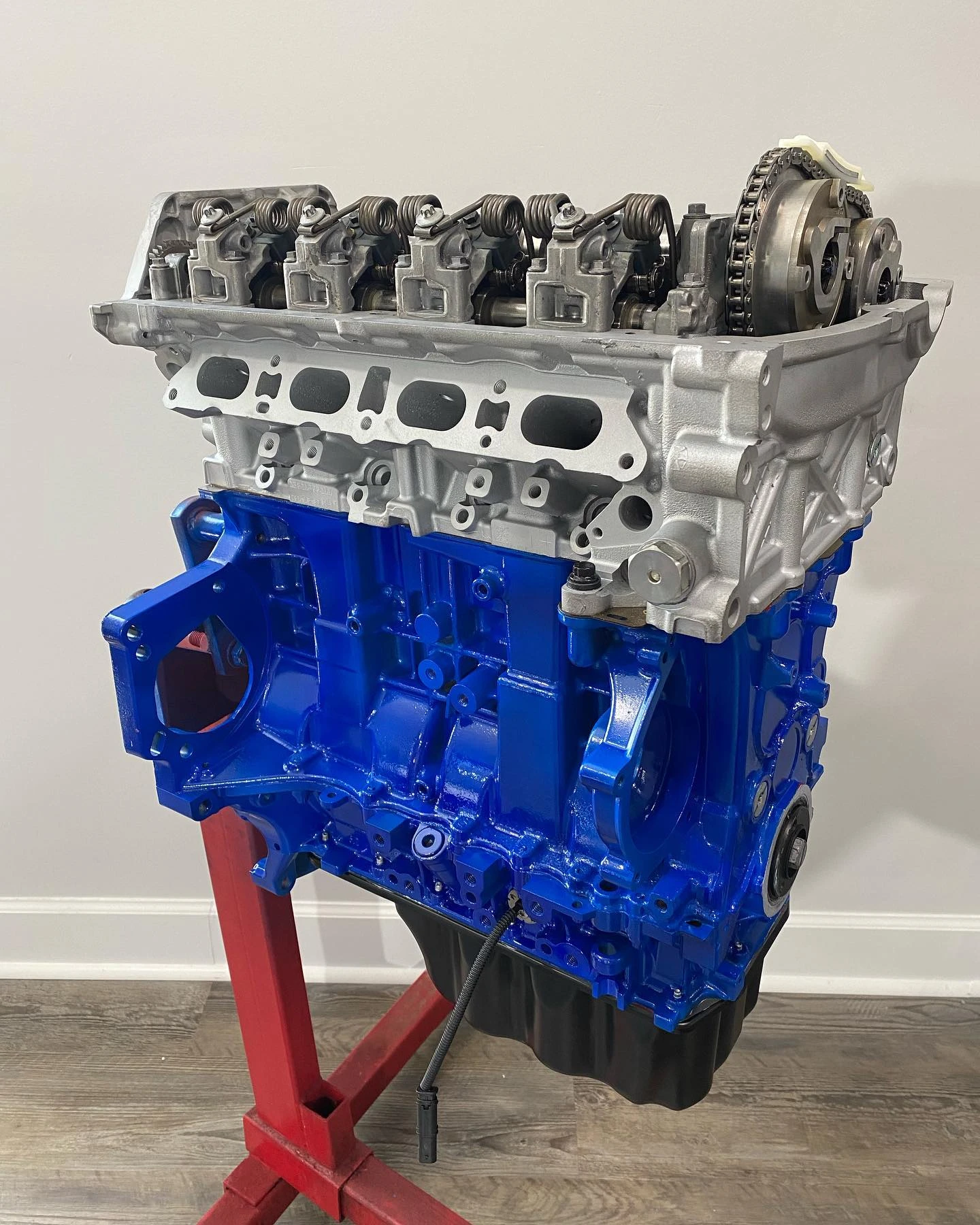
Start by Confirming Your N18 Engine
The first step in any N18 MINI build is confirming exactly what engine and chassis you are working with. MINI engines and applications can differ, so a part that fits one application should not automatically be assumed to fit another.
Before planning your MINI Cooper engine build path, confirm:
- Your MINI chassis and model year.
- The exact engine family.
- Current engine condition.
- Existing engine modifications.
- Intended use of the vehicle.
- Current supporting components.
- Required machine work.
- Product fitment for the complete combination.
This basic check can prevent you from building a parts list around the wrong engine application. If you are uncertain about the platform, contact SneedSpeed before ordering rather than assuming that N14, N18, R56, or another MINI application uses the same components.
Check the Current Engine Condition
The next step is understanding the condition of the engine. A build plan should not begin with a list of performance parts without knowing what needs to be repaired, rebuilt, or replaced. If the N18 engine requires rebuilding, review the R56 N18 MINI Cooper S JCW Engine Rebuild Kit as part of your planning process.
Review the engine for:
- Overall condition.
- Existing wear or damage.
- Required internal components.
- Cylinder condition.
- Piston requirements.
- Connecting rod requirements.
- Cylinder head requirements.
- Gasket and sealing requirements.
- Timing-related requirements.
- Machine-work needs.
The condition of the engine can change the parts required for the build. This is why MINI Cooper rebuild parts should be selected as part of a complete plan rather than ordered one at a time without checking compatibility.
Define How You Will Use the MINI
Your intended use is one of the most important parts of the planning process. The requirements for a street car may differ from those of a MINI used for track days or racing.
Before selecting parts, decide whether the vehicle is primarily:
- A street-driven MINI.
- A track-day MINI.
- A race-focused MINI.
Then review the build around that use case. A street build may focus on the complete engine condition and supporting systems needed for normal road use. A track-day build requires planning around track use and related maintenance. A race build may require a more application-specific engine combination. This is also why there is no single answer to how much power an N18 MINI makes that applies to every engine.
Review the Complete Engine Build
Once the engine and use case are confirmed, review the major engine components as one system.
A complete planning process should include:
- Rebuild kit requirements.
- Forged piston requirements.
- Forged rod requirements.
- Cylinder head requirements.
- Head-stud requirements.
- Gasket requirements.
- Timing components.
- Fuel requirements.
- Cooling requirements.
- Tuning requirements.
- Installation requirements.
Do not choose one component in isolation and assume that the rest of the engine will automatically support it. The correct MINI Cooper engine build path should connect the internal engine parts with the supporting systems and installation requirements.
For additional rebuild options, review the SneedSpeed Engine Rebuild Kits category.
Review Piston Installation and Clearances
If forged pistons are part of your N18 build, installation and clearance requirements should be reviewed before assembly. SneedSpeed provides a Forged Piston Installation and Clearance Resource to support the planning and installation process.
Before ordering or installing pistons, review:
- Correct engine application.
- Piston compatibility.
- Required clearances.
- Cylinder condition.
- Machine-work requirements.
- Installation requirements.
- Supporting internal components.
This step is important because selecting the correct component is only part of the build. The installation requirements also need to match the engine being assembled.
Check Cylinder Head and Head Stud Requirements
The cylinder head should also be included in the planning process. SneedSpeed offers an N14/N18 Cylinder Head Stud Kit for supported MINI applications.
Before ordering, confirm:
- Engine family.
- MINI application.
- Supported chassis.
- Installation requirements.
- Related fastener information.
- Other engine work was completed at the same time.
For installation planning, use the R56 Head Stud Installation and Torque Resource. Do not assume that a head-stud application is correct simply because the engine is an N18. Confirm the exact product application first.
Use the Correct Torque and Installation Resources
A proper build plan should include technical information for assembly. SneedSpeed provides a 2007–2013 MINI Engine Torque Specs and Bolt Chart covering supported MINI engine applications.
Use technical resources when:
- Preparing for an engine rebuild.
- Reviewing fastener information.
- Planning component installation.
- Checking assembly requirements.
- Preparing for machine work and final assembly.
You can also use the SneedSpeed Blog and Installation Resources and Tech School for additional technical information.
N18 Power Potential Planning Checklist
Before ordering any engine components, work through this checklist.
Engine and Platform
- Confirm the exact MINI chassis.
- Confirm the engine family.
- Check the current engine condition.
- Record existing modifications.
- Confirm the intended use.
Internal Engine
- Review rebuild kit requirements.
- Check piston requirements.
- Check connecting rod requirements.
- Review cylinder condition.
- Confirm machine-work requirements.
- Review gasket and sealing requirements.
- Check timing-related requirements.
Supporting Systems
- Review fuel requirements.
- Review cooling requirements.
- Review tuning requirements.
- Check supporting engine components.
- Confirm that the complete combination is compatible.
Installation
- Review piston clearance information.
- Review head-stud installation information.
- Check relevant torque resources.
- Confirm installation requirements.
- Use the correct technical resource for each component.
Final Fitment Check
- Confirm every product for the exact application.
- Do not assume compatibility across MINI generations.
- Do not order unclear combinations without verification.
- Contact SneedSpeed when fitment or machine work is uncertain.
What Does This Mean for N18 Power Potential?
The question how much power can an N18 MINI make should be approached as a complete build-planning question. Engine condition, internal components, supporting systems, fuel, tuning, cooling, maintenance, and use case all matter. This guide does not provide a universal horsepower ceiling or boost target because those numbers can be misleading without knowing the complete engine combination. Instead, use the checklist to establish what the engine needs first. Once the platform, condition, use case, and supporting components are known, you can build a more accurate parts path.
That approach also makes it easier to identify when you need additional machine work, installation information, or direct fitment confirmation from SneedSpeed.
Frequently Asked Questions
- Does an N18 MINI have one universal power potential?
No. How much power an N18 MINI makes depends on engine condition, supporting parts, fuel, tuning, cooling, maintenance, intended use, and verified fitment. - Should I choose parts before checking the engine condition?
It is better to check the engine condition first. The required MINI Cooper rebuild parts can depend on what needs to be rebuilt, replaced, machined, or supported. - What should I check before ordering N18 engine parts?
Confirm the exact chassis and engine family, engine condition, intended use, required supporting components, machine-work needs, installation requirements, and product fitment. - Does this guide provide a horsepower or boost target?
No. How much power can an N18 MINI make guide avoids unsupported output promises and focuses on building the correct parts and technical path for the specific application. - What should I do if I am unsure about N18 fitment?
Do not assume compatibility. Review the relevant SneedSpeed product and technical resources, then contact SneedSpeed before ordering if the engine platform, machine work, or supporting parts are unclear.
Conclusion
Planning N18 power potential starts with the engine, not a number. Confirm the MINI platform, inspect the current engine condition, define the intended use, and then review the rebuild and supporting components as one complete system. Use SneedSpeed's rebuild products, piston clearance information, head-stud resources, torque information, Blog, and Tech School to support the planning and installation process. If you are still unsure which MINI Cooper engine build path is right for your N18, confirm the application before ordering. Ready to plan your N18 build? Start with the relevant SneedSpeed product or technical resource, confirm your exact engine platform and use case, and contact SneedSpeed before ordering if fitment, machine work, or supporting parts are uncertain.