
R53 Street Build Vs Track Day Build Priorities
Posted by Mamta Sharma on 5th Aug 2026
Choosing the right modifications for an R53 or R52 MINI Cooper S / JCW depends entirely on how the vehicle will be driven. A modification path that creates a responsive, reliable daily driver will differ significantly from one required to sustain high oil temperatures, continuous lateral g-forces, and thermal stress on a road course. At SneedSpeed, our approach to vehicle preparation is grounded in practical testing: Built from Racing. Proven by Results. This decision support guide breaks down the core differences between a street-focused build and a track-day setup, helping you evaluate your build priorities, select verified product paths like the Engine Rebuild Kits category, and make confident decisions before ordering. If you are new to SneedSpeed, start by exploring the SneedSpeed
Recommended Decision & Upgrade Logic
Before buying parts or following internet forum lists, establish a clear evaluation process for your vehicle. Selecting components based on hype often leads to poor drivability, mismatched supporting hardware, or unnecessary mechanical wear.
1. Confirm Vehicle Identity
- Chassis (R50/R52/R53)
- Engine Family
- Existing Modifications
2. Define Primary Vehicle Use
Street Driven
- Comfort
- Driveability
- Low Maintenance
Track Day / HPDE
- Thermal Management
- Oil Control
- Chassis Stiffening
Dedicated Race
- Maximum Duty Cycle
- Safety Systems
- Supporting Hardware
3. Review Technical Resources
Before beginning any installation, review SneedSpeed's technical information:
4. Verify Fitment & Supporting Parts
Confirm your exact chassis, engine family, and intended use with SneedSpeed before ordering.
Comparing Build Priorities: Street vs. Track Day
There is no universal "best" upgrade list for the R53 platform. Every decision requires balancing noise, vibration, harshness (NVH), maintenance requirements, and thermal management.
|
Build Factor |
Street Build Priority |
Track Day / HPDE Priority |
|
Engine & Maintenance |
Stock baseline health, reliable cooling, clean seals, smooth power delivery. |
Oil control, upgraded cooling capacity, high-temperature fluids, reinforced engine hardware. |
|
Chassis & Suspension |
Comfortable ride quality, street alignment, tower protection. |
Camber adjustment, stiffer springs, reinforced bushings, chassis strengthening. |
|
Braking System |
OE-style pads, fresh brake fluid, quality rotors. |
High-temperature brake fluid, track pads, brake cooling, fade resistance. |
|
Fastener Management |
Factory torque values and service hardware. |
Strict torque procedures, single-use TTY fasteners, safety-focused assembly. |
|
Driveability & NVH |
Comfortable daily driving with smooth engagement. |
Mechanical durability prioritized over comfort and cabin refinement. |
Technical Prep & Hardware Considerations
Whether assembling a comfortable street MINI or a dedicated track car, successful upgrades depend on careful preparation and verified components.
Engine Foundation & Rebuilding
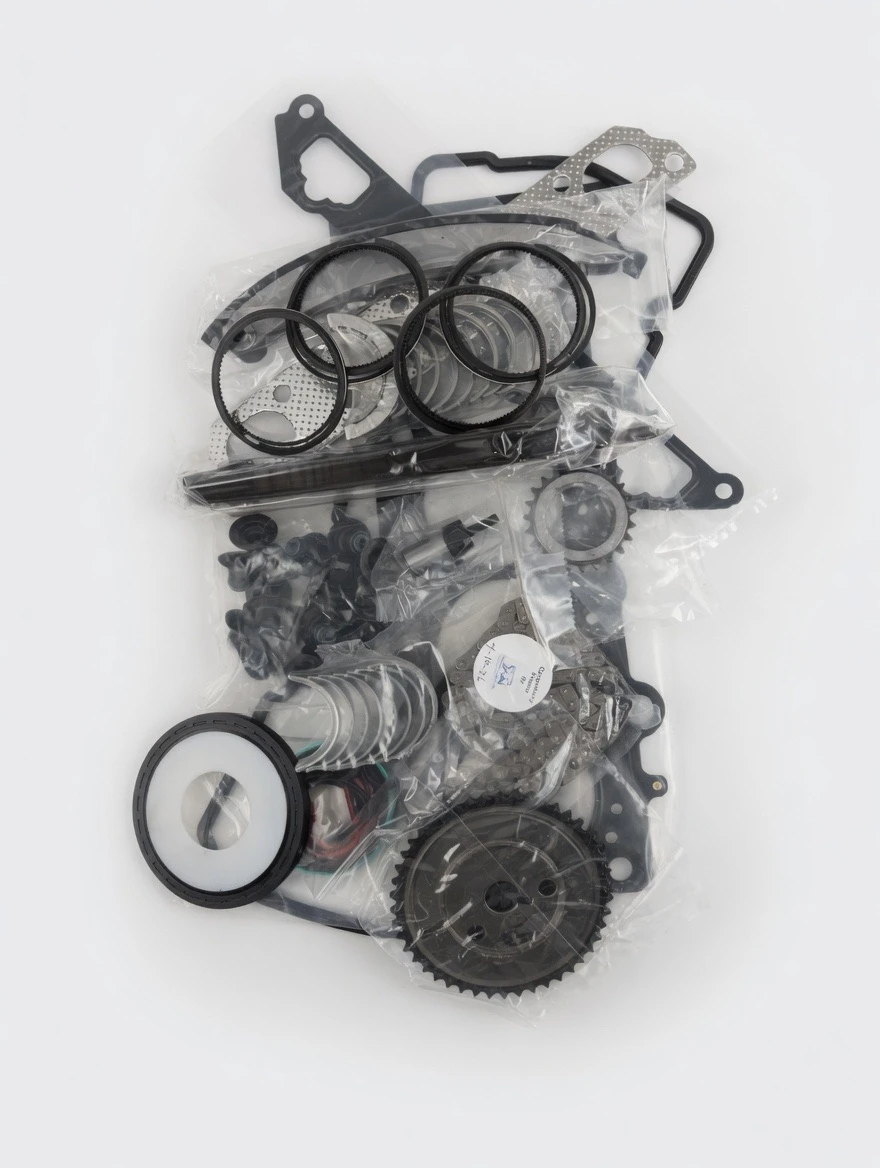
Before increasing engine load, inspect the overall condition of the Supercharged Tritec engine. High-mileage engines should be evaluated before adding performance modifications. If your engine is due for a rebuild, review the R53 MINI Cooper S JCW Engine Rebuild Kit You can also browse the complete Engine Rebuild Kits category to compare rebuild solutions for different MINI applications
Fastener Specifications & Torque Procedures
Many engine and chassis fasteners on the R53 platform require precise installation procedures. Before assembling cylinder heads, connecting rods, main caps, or suspension components, consult the verified 2002–2006 MINI R50/R52/R53 Torque Specification Chart
Following the correct torque sequence and specifications helps reduce installation errors.
Educational & Installation Resources
Understanding how components work together is just as important as selecting the correct parts.
SneedSpeed provides additional technical resources through:
- SneedSpeed Blog & Installation Resources.
- SneedSpeed Tech School.
Reviewing these resources before beginning your project can help reduce installation confusion and improve planning.
Fitment Note
Always confirm your exact R50, R52, or R53 chassis, engine family, and intended vehicle use with SneedSpeed before ordering. Even when a verified product page exists, previous modifications, production changes, or model-year differences may affect compatibility.
Pre-Purchase Checklist
Use this checklist before placing an order.
- Verify engine condition, including compression, leak-down, and oil consumption.
- Confirm whether the vehicle is primarily street driven or intended for track use.
- Identify supporting components such as seals, gaskets, fluids, and single-use fasteners.
- Review installation procedures and torque specifications using SneedSpeed technical resources.
- Confirm fitment if previous modifications have been performed.
Frequently Asked Questions
- What should I upgrade first for Best First Mods For R53 MINI Cooper?
Start by evaluating your intended vehicle use, engine condition, and service history. Build a reliable foundation before installing performance upgrades. SneedSpeed recommends confirming your exact chassis and engine configuration before ordering. - Does this guide make performance claims?
No. This article focuses on builder-level planning and verified technical resources. It does not make unsupported claims regarding performance, durability, pricing, shipping, inventory, or warranty. - Which SneedSpeed page should be linked from this article?
Use the R53 MINI Cooper S JCW Engine Rebuild Kit, Engine Rebuild Kits category, Torque Specification Chart, SneedSpeed Blog, and Tech School, depending on the reader's needs. - When should a buyer contact SneedSpeed?
Contact SneedSpeed before ordering whenever fitment, engine configuration, intended vehicle use, or supporting hardware requirements are not fully confirmed.
Conclusion
Choosing between an R53 street build and a track day build starts with understanding how you plan to use your MINI. A street-focused setup prioritizes reliability, drivability, and everyday comfort, while a track-focused build requires greater attention to cooling, engine preparation, suspension, braking, and supporting hardware. Taking the time to identify your chassis, confirm your engine configuration, and review verified technical resources helps create a build that matches your goals from the beginning. Before ordering parts, review the appropriate SneedSpeed product pages, explore the available technical resources, and confirm your exact vehicle configuration. If fitment, supporting parts, or your intended build path are uncertain, contact SneedSpeed for expert guidance before purchasing. A carefully planned build always provides a stronger foundation than selecting upgrades based on assumptions or incomplete information.