
R53 Track and Race Complete Engine Path: Choosing the Right Performance Build
Posted by Mamta Sharma on 19th Aug 2026
If you are looking for a R53 race engine, SneedSpeed can help you choose the correct path: repair, rebuild kit, complete engine, Street/Sport/Super Sport-style build level where applicable, or race engine for R53 W11 supercharged MINI. SneedSpeed supports this platform with the R53 rebuild kit and Street, Sport, Super Sport, and Race build paths. The first thing to confirm is the exact engine family, because The R53 conversation starts with the W11 supercharged engine, not a generic first-generation MINI label.
The customer should know immediately whether this is the right page: yes, this is about choosing the engine path before money is spent, not about guessing at parts from a model name.
Your Options: Repair, Rebuild, or Replace?
Selecting the right engine solution depends on the physical condition of your core and the demands placed on the vehicle:
- Repair Existing Component: Choose this when the failed item is isolated and the rest of the engine checks clean. This is for a car with a clear fault, not a hidden internal failure.
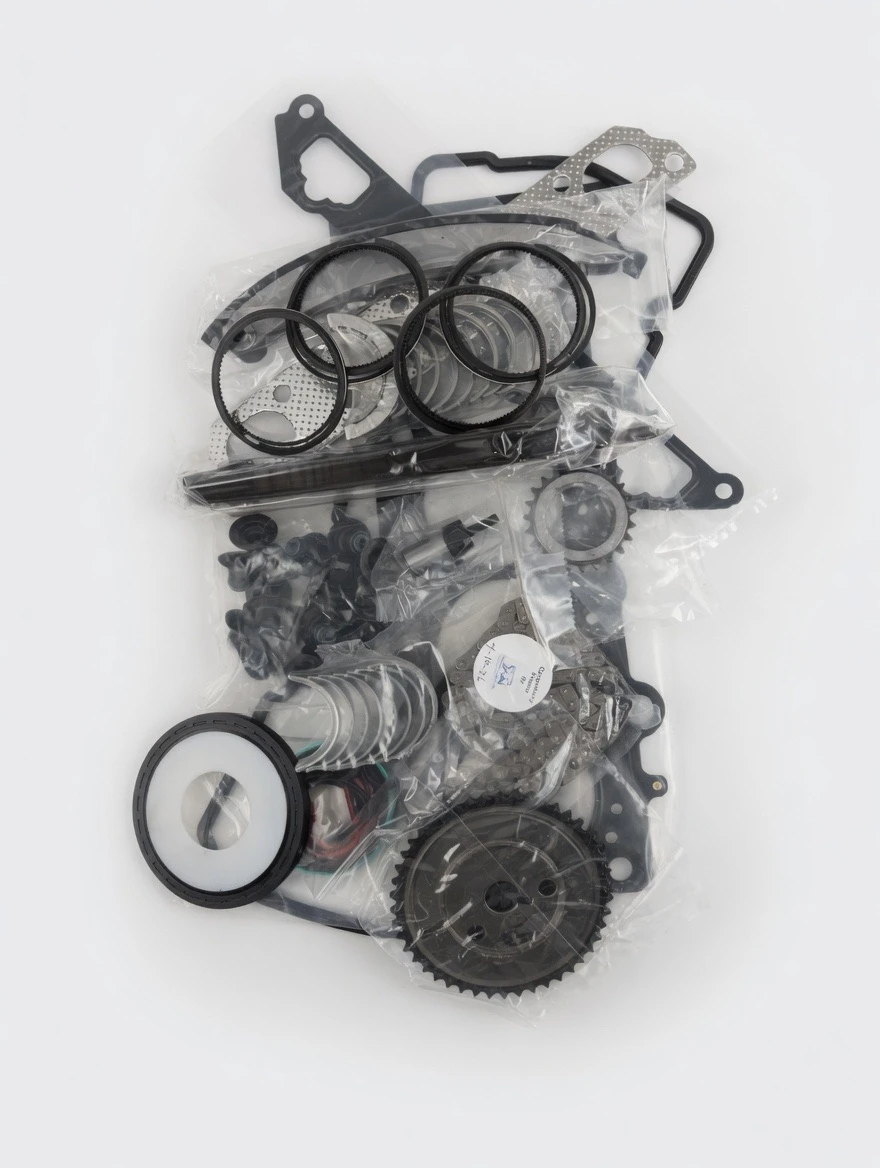
- Rebuild Kit: Choose this when the original core is still worth saving. A rebuild kit is for measured wear, known history, and an engine that can be brought back properly.
- Remanufactured Component: Choose this for a specific accessory or support component when the engine itself does not require a full teardown.
- Complete Engine: Choose this when the old core has heavy internal damage, unknown history, repeat failure, or enough risk that rebuilding it no longer makes engineering sense.
- Race Engine: Choose this when repeat abuse, track use, event rules, inspection rhythm, and heat management matter more than ordinary street service.
The least expensive option is not always correct, and the most complete option is not automatically smarter. The right option is the one that matches the condition of the engine and the job the car has to do.
Engine ID Changes The Order: Identity First
The R53 uses the supercharged W11 engine, but confirming the exact vehicle application is still important before selecting parts. Engine identification should come before the rebuild plan.
- Start With the Engine Identity : The R53 conversation starts with the W11 supercharged engine, not a generic first-generation MINI label. Fitment starts with platform identity before any damage conversation begins.
- Use the Complete Fitment Details : For R53 W11 supercharged MINI, the part path should start with chassis code, model year, engine code, and application details. The wrong engine ID can make the right-looking part the wrong order.
- A Model Name Is Not Always Enough : We have found that many MINI Cooper engine mistakes begin when a buyer uses a model name as if it were an engine code. Cooper S, JCW, Countryman, Paceman, or F56 can still need more detail.
- The Wrong Engine ID Can Lead to the Wrong Part: A part may look correct and even be listed for a MINI, but that does not mean it will fit an R53 W11 engine. Using the correct engine identification before ordering can help prevent costly mistakes, returns, and unnecessary delays.
- Confirm Fitment Before You Order: Taking a few minutes to verify the engine ID and vehicle details can save time and money later. For an R53 W11 MINI, correct identification should come before part selection.
Getting the engine identification right helps prevent the wrong parts from entering the rebuild.
Understanding the W11 Engine Failure Pattern
Understanding why the engine failed is one of the most important steps in planning an R53 street engine rebuild. Rebuilding the engine without correcting the original problem can lead to another failure.
- Identify the Main Cause of Failure: Look beyond individual symptoms and determine whether heat, oil starvation, timing issues, cooling problems, or accessory failure contributed to the damage.
- Evaluate Supercharger and Cooling System Health: The W11 depends on proper supercharger operation and effective cooling. Problems in either area can increase engine stress and influence the repair or replacement decision.
- Never Diagnose From One Symptom Alone : Noise, smoke, overheating, low compression, or metal debris can each indicate different problems. A complete inspection provides a more reliable diagnosis.
- Use Warning Lights as a Starting Point : Fault codes can point you toward an area that needs inspection, but they do not always identify the damaged component itself.
- Check the Engine Before Ordering a Replacement : If the engine core is still healthy and the failure came from a supporting component, replacing that individual part may make more sense than buying a complete engine.
The failure pattern gives you a better starting point than relying on one warning light or symptom.
How to Inspect an R53 Engine Core Before Rebuilding
A rebuild should start with a proper inspection of the original core. If the major components are within acceptable condition, rebuilding may be a practical way to keep the existing engine platform.
- Check the Cylinder Walls : Inspect the cylinder walls for scoring, excessive wear, cracks, or signs of overheating. Good bore condition is one of the key factors in deciding whether the engine can be rebuilt successfully.
- Inspect Bearing Condition : Bearing overlay can reveal important clues about the engine's history. Excessive wear, scoring, discoloration, or signs of oil starvation may indicate deeper internal problems that need to be addressed before choosing a rebuild.
- Look for Signs of Overheating : Overheated surfaces, damaged components, or head-gasket tracks can indicate that the engine has experienced excessive heat. Severe heat damage may make a complete-engine replacement more practical than rebuilding the existing core.
- Examine the Pistons and Head-Gasket Areas : Piston marks and head-gasket tracks can help identify previous problems with combustion, timing, or overheating. These details should be considered alongside measurements rather than judged on appearance alone.
- Check the Oil Filter for Debris : Metal particles or unusual debris in the oil filter can provide clues about internal engine wear. The type and amount of debris may help determine whether the problem is limited or points to more extensive damage.
A core should earn the rebuild path through inspection and measurements rather than simply being rebuilt because it is available.
Supporting Systems to Check Before Installing an R53 Engine
A rebuilt engine needs healthy systems around it. Reusing a failed or questionable component can put the new build at risk even when the internal engine work is done correctly.
- Inspect the Cooling System : A replacement or rebuilt R53 engine can suffer the same fate if an existing cooling problem is left unresolved. Check the cooling components for leaks, weak performance, contamination, or signs of previous overheating.
- Review Oil Pump and Oil-Control Components : Proper oil flow is essential for engine protection. Inspect the oil pump, oil passages, and related oil-control components for wear or contamination, especially if the previous engine experienced oil starvation.
- Inspect Timing Components : Timing components should be reviewed for wear before final assembly or installation. Reusing worn timing parts can create another failure even when the engine itself has been rebuilt correctly.
- Check Crankcase Ventilation : The crankcase ventilation system plays an important role in managing pressure and oil vapors. A neglected or faulty system can contribute to oil-related problems and should be addressed during the engine installation process.
- Choose Parts Based on the Actual Engine Need : Rebuild kits, timing components, fasteners, torque specifications, and Technical library should be selected according to the engine's condition and build requirements. The goal is to buy the parts that support the repair, not simply add unnecessary items to the order.
Supporting components should be replaced or reused based on their condition and the needs of the rebuild.
SneedSpeed Products for the R53 W11 Rebuild Path
Once the W11 core has been inspected, SneedSpeed's R53 rebuild path can help organize the parts around the actual needs of the engine. The goal of a street build is to create a dependable engine that suits normal driving and occasional spirited use.
- R53 W11 Engine Rebuild Kit : The SneedSpeed R53 MINI Cooper S / JCW Engine Rebuild Kit Complete Performance Rebuild System is a practical starting point when the existing engine core is suitable for rebuilding.
- Choose the Right Build Level : Street, Sport, Super Sport, and Race options help match the rebuild to the car's intended use instead of selecting individual parts without a clear plan.
- Forged Pistons : Forged pistons can be considered when the engine's performance goals and build requirements call for stronger internal components.
- Forged Connecting Rods : These can be part of a higher-performance R53 build where the intended power level makes upgraded connecting rods appropriate.
- Performance Bearings : Bearing selection should match the engine's condition, measurements, and intended use. They should be chosen based on the actual rebuild requirements.
Engine Assemblies & Technical Resources
- Technical Library: Before assembly, use the Technical Library to check important installation information and specifications. Resources such as Forged Piston Clearances and engine Torque Specifications can help ensure the parts are installed correctly and within the required tolerances.
- Platform-Specific Parts: For the correct application-specific components, browse the MINI Cooper Category. Checking the exact platform and engine details before ordering helps avoid choosing parts based only on the vehicle's model name.
- Choose Only What the Engine Needs: Not every engine build requires every available component. The right combination should be based on the engine's condition, performance goals, and intended use.
Installation and Setup Planning for an R53 Engine
A street engine should be designed around reliability first. Performance upgrades can be useful, but they should not compromise the everyday drivability and service life expected from a road-going MINI.
- Review Torque Specs : Confirm the correct torque specifications and installation sequence before assembly. Proper fastener procedures are important for a reliable engine build.
- Confirm Parts Transfer : Identify which parts can be reused and which should be replaced while the engine is accessible. This helps avoid installing worn components on a fresh build.
- Plan the First Start : Make sure oiling, cooling, fluids, sensors, and other essential systems are ready before the first start. A proper startup plan helps protect the engine from unnecessary stress.
- Match the Setup to the Car's Use : A street-driven R53 may prioritize smooth operation, temperature control, and long service life, while a track or race car may require more attention to heat management, oil demand, and inspection intervals.
- Consider Tuning Requirements : Performance builds may require appropriate tuning after installation. Confirm whether the selected engine and supporting modifications require changes to the vehicle's calibration.A good street build should feel strong and dependable every time you drive the MINI.
Frequently Asked Questions
- What should I confirm first?
Confirm the chassis, year, engine family, symptoms, and intended use before choosing a R53 race engine path. - Does SneedSpeed always recommend a complete engine?
No. The right answer may be repair, rebuild kit, remanufactured component, complete engine, or race engine depending on condition and use. - When is a rebuild kit the better choice?
A rebuild kit makes sense when the existing core is measured, inspected, and still worth saving. - When should I ask SneedSpeed before ordering?
Ask before ordering if fitment, build level, support parts, tuning, lead time, shipping, warranty language, core terms, or installation direction is unclear. - Why does platform matter?
R53 W11 supercharged MINI details can change fitment, failure patterns, installation resources, and supporting parts.
Conclusion
Choosing the right R53 street engine is about building for reliability, not simply replacing worn components. Start by confirming the W11 application, identifying the cause of the original failure, and inspecting the engine core. A successful street rebuild also depends on the supporting systems. Cooling, oiling, supercharger condition, crankcase ventilation, timing components, and reused accessories should all be checked before the rebuilt engine goes back into the MINI. Contact SneedSpeed before ordering when fitment, build level, support parts, tuning, pricing, lead time, shipping, warranty language, core terms, or installation direction is uncertain.