
R56 N14 Complete Engine Guide: Cooper S & JCW Build Paths
Posted by Mamta Sharma on 20th Aug 2026
Selecting the correct path for a turbocharged MINI Cooper S or JCW begins with understanding your specific engine family. If you are searching for an R56 N14 complete engine, SneedSpeed provides structured guidance to help you choose the right direction: isolated repair, a complete rebuild kit, a full crate engine, Street/Sport/Super Sport build levels, or a dedicated race engine for R56 and R55–R59 N14 models.
Engine ID Changes The Order
Verifying your platform identity is the critical first step before ordering any engine parts or planning a repair.
- Confirm the N14 Platform: The N14 turbocharged engine requires specific fitment checks; assumptions from the later N18 engine platform do not automatically apply.
- Avoid Model Name Confusion: Buyers often make mistakes by using general model names like Cooper S, JCW, Countryman, or Paceman instead of exact engine codes.
- Document Key Engine Details: Record your vehicle's model year, chassis code, engine family, transmission context, VIN, and any known previous swaps or modifications.
- Accounting for Service History: Proper identification is vital if your MINI has been serviced by multiple shops or has an incomplete history.
Your Engine Build Options
The proper option depends on core condition, historical failure causes, and how the vehicle will be used.
- Repair Existing Component: Ideal when the failure is limited to a single item and the rest of the engine block tests clean.
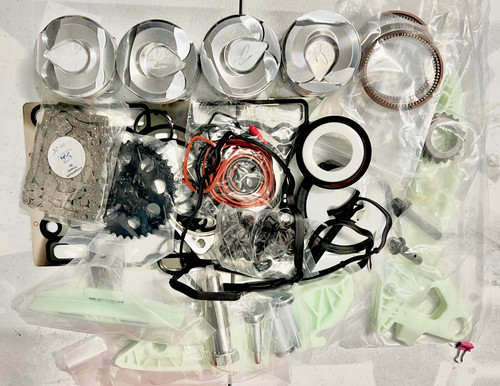
- Rebuild Kit: Recommended when your original engine core has measured wear, known service history, and remains structurally sound. Explore options in the Engine Rebuild Kits selection.
- Remanufactured Component: Selected for individual support components or accessories when a full engine teardown is unnecessary.
- Complete Engine: Required when the original core has severe internal failure, heavy block scoring, repeat damage, or unknown history.
- Race Engine: Engineered for severe track abuse, event regulations, aggressive inspection rhythms, and intense heat management.
Failure Pattern Analysis
Determining the precise cause of failure protects the replacement engine from suffering the same outcome.
- N14 Critical Systems: N14 failure patterns usually involve timing chain wear, oil pressure drops, rod bearing wear, turbocharger health, and crankcase ventilation.
- Diagnostic Limitations: Warning lights indicate an area of concern, but inspecting the damaged internal components reveals what actually occurred.
- Preventing Repeat Failures: If oil starvation, overheating, or timing instability caused the failure, the supporting systems must be addressed simultaneously.
- Avoiding Unnecessary Expenses: Understanding the failure pattern ensures you do not order a complete replacement engine when only a support component fails.
Engine Core Inspection
Physical evidence and precision measurement dictate whether an N14 core can be saved with a rebuild kit.
- Core Assessment Metrics: Cylinder bore condition, bearing overlay wear, head-gasket tracks, piston condition, and oil filter debris reveal core viability.
- Disassembly Diagnostics: Compression and leakdown tests help decide whether to open an assembled engine; disassembled cores are evaluated by surface finishes and metal debris.
- Data-Driven Choices: A core earns a rebuild path through micrometer measurements and predictable wear patterns, not assumptions.
- Choosing the Path: Clean measurements justify a performance rebuild kit, whereas overheated surfaces or severe debris push the project toward a complete engine replacement.
Supporting Systems Check
Supporting systems around the engine must be evaluated to protect your new build during initial startup and long-term operation.
- Key Subsystems: Review the oil pump, timing chain assembly, cooling components, crankcase ventilation (PCV), turbocharger lines, and clutch assemblies.
- Preventing Contamination: Reusing contaminated oiling parts or failing cooling components can quickly destroy a fresh build.
- System Upgrades: Find hardware, gaskets, and timing components directly under the MINI Cooper Category.
SneedSpeed Performance Products
Matching failure evidence with engineered components ensures maximum reliability under high boost and thermal stress.
- N14 Rebuild Systems: The N14 Rebuild Kit provides a tailored solution once the N14 engine family is confirmed.
- Cylinder Head Hardware: High-boost applications benefit from the R56 Head Stud Install guide and dedicated head-stud kits to ensure reliable sealing.
- Engine Internals: Incorporate Forged Pistons, Forged Connecting Rods, Performance Bearings, and MLS Head Gaskets when build goals require enhanced bottom-end strength.
Installation, Setup, and Torque Execution
Following correct torque specifications and installation sequences ensures proper engine sealing and long service life.
- Fastener Discipline: Torque values and head-stud tightening steps must be strictly observed. Consult the detailed R56 Torque Specs before final assembly.
- Application Setup: Priority for street setups centers on easy starting, oil stability, and temperature control, while track builds require higher heat capacity and regular maintenance schedules.
- Technical Guidance: Find additional technical resources, setup guides, and schematics in the SneedSpeed Technical Library.
Frequently Ask Questions
- What should I confirm first before choosing an engine path?
Confirm the chassis, model year, exact engine code (N14), symptoms, and intended use (street or track) before placing an order. - Does SneedSpeed always recommend a complete crate engine?
No. Recommendations range from isolated component repairs to rebuild kits, complete crate engines, or full race builds based on physical core condition. - When is an engine rebuild kit the better choice?
A rebuild kit is ideal when your original block passes dimensional inspection, cylinder walls are healthy, and no structural heat warping exists. - Why does platform identification matter so much for the N14?
The N14 features unique timing, oiling, head sealing, and accessory configurations that differ directly from N18, N12, or W11 engines.
Conclusion
Choosing the right R56 N14 complete engine solution ensures you understand your engine family, core condition, failure causes, and setup requirements before committing to a build. SneedSpeed brings race-proven engineering to back up your engine decision. Contact SneedSpeed before ordering when fitment, build level, support parts, tuning, pricing, lead time, shipping, warranty language, core terms, or installation direction is uncertain.