
R60 R61 Timing Oiling and Cooling Support Parts for Engine Repairs
Posted by Mamta Sharma on 13th Aug 2026
If you are looking for a R60 R61 timing oiling cooling, SneedSpeed can help you choose the correct path: repair, rebuild kit, complete engine, Street/Sport/Super Sport-style build level where applicable, or race engine for R60/R61 Countryman Paceman. SneedSpeed supports Countryman and Paceman owners with MINI engine-family routing, rebuild-kit guidance, torque resources, and contact-before-ordering support. The first thing to confirm is the exact engine family, because R60/R61 buyers need chassis, drivetrain, and engine-family confirmation because model names can hide important fitment differences.
The customer should know immediately whether this is the right page: yes, this is about choosing the engine path before money is spent, not about guessing at parts from a model name.
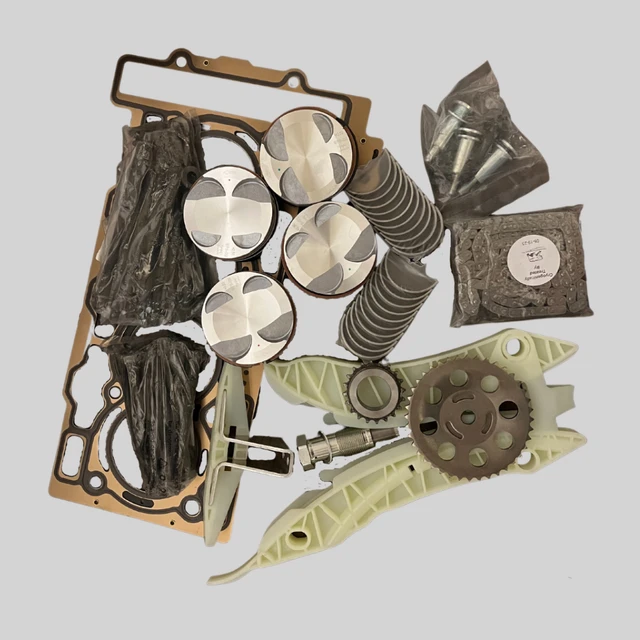
Your R60/R61 Engine Options
The least expensive option is not always correct, and the most complete option is not automatically smarter. The right option is the one that matches the physical condition of the core and the job the car has to do.
- Repair Existing Component: Choose this when the failed item is isolated and the rest of the engine checks clean. This is for a car with a clear fault, not a hidden internal failure.
- Rebuild Kit: Choose this when the original core is still worth saving. A rebuild kit is for measured wear, known history, and an engine that can be brought back properly.
- Remanufactured Component: Choose this for a specific accessory or support component when the engine itself does not require a full teardown.
- Complete Engine: Choose this when the old core has heavy internal damage, unknown history, repeat failure, or enough risk that rebuilding it no longer makes engineering sense.
- Race Engine: Choose this when repeat abuse, track use, event rules, inspection rhythm, and heat management matter more than ordinary street service.
Why Engine ID Matters When Ordering Parts
This is especially important when the car has been modified, repaired by multiple shops, or purchased with incomplete service history.Get the name of the engine right before choosing the future of the engine.
- R60/R61 buyers need chassis: drivetrain, and engine-family confirmation because model names can hide important fitment differences. Fitment starts with platform identity before any damage conversation begins.
- For R60/R61 Countryman Paceman: the part path should start with chassis code, model year, engine code, and application details. The wrong engine ID can make the right-looking part the wrong order.
- MINI engine mistakes: We have found that many MINI engine mistakes begin when a buyer uses a model name as if it were an engine code. Cooper S, JCW, Countryman, Paceman, or F56 can still need more detail.
- Before ordering: Write down the year, chassis, engine family, transmission context, VIN if available, and any known swaps or previous repairs.
Common R60/R61 Engine Failure Patterns
A clean failure pattern also helps decide what not to buy. If the core is healthy but a support part fails, the smart money may stay away from a complete-engine order. Failure pattern is the difference between replacing parts and solving the problem.
- Countryman and Paceman diagnosis: Often starts with the same engine-family logic as R56-era cars, then adds vehicle and drivetrain context. That pattern is what usually pushes the engine toward repair, rebuild, or replacement.
- A single symptom: In our experience, a single symptom rarely tells the whole story. Noise, smoke, low compression, timing faults, overheating, or metal debris each point to a different kind of failure.
- A warning light: One mistake we regularly see is treating a warning light like a complete diagnosis. The warning light tells you where to start looking; the damaged parts tell you what actually happened.
- The cause of failure: If the failure was caused by oil starvation, heat, timing instability, or a support system, the next engine has to be protected from that cause.
Inspecting the R60/R61 Engine Core
A core with clean measurements can justify a rebuild kit, while a core with overheated surfaces, heavy debris, or unknown machine history may push the customer toward a more complete path. A core earns the rebuild path; it does not receive it by default.
- Photos, engine ID, drivetrain details, and symptom history: Can save time on R60/R61 work because the platform context affects the order. The old engine's physical condition decides whether the core has earned another life.
- The evidence: Usually tells us whether the core deserves a rebuild kit. Bearing overlay, bore condition, piston marks, head-gasket tracks, oil filter debris, and timing wear all carry different meanings.
- If this engine comes into our shop still assembled: Compression and leakdown help decide whether to open it. If it is already apart, the surfaces and debris history become more important.
- A rebuildable core: Should not require hope. It should have measurements, surfaces, and wear patterns that support the decision.
Essential R60/R61 Engine Support Systems
Supporting parts should be chosen because the engine needs them, not because a cart needs to be larger. The next engine is only as safe as the systems that feed, seal, cool, and control it.
- Timing, oiling, cooling, and fitment questions: Should be settled before ordering because a correct engine family can still be the wrong installation plan. The parts around the engine can ruin a good build when they carry the old failure forward.
- Before final ordering: Oil pump health, timing components, cooling condition, crankcase ventilation, turbo or supercharger support, clutch-related parts, and reused accessories should be reviewed before final ordering.
- A support system: Does not have to be expensive to be dangerous. A weak cooling part, contaminated oiling system, or tired forced-induction component can put a fresh engine back in the same failure pattern.
- SneedSpeed's product path: Becomes logical here: rebuild kits, timing resources, torque specs, head-fastener planning, and technical library all support the engine decision instead of replacing it.
SneedSpeed Products for Your R60/R61 Engine Build
Matching measured failure evidence with engineered performance components ensures long-term reliability.
- For R60/R61 Countryman and Paceman planning: The product path depends on the confirmed engine family. An N14-equipped path should route toward the R56 N14 MINI Cooper S / JCW engine rebuild kit, while an N18-equipped path should route toward the R56 N18 MINI Cooper S / JCW engine rebuild kit.
- Because Countryman and Paceman fitment can be confusing: Real products should be selected only after the chassis, drivetrain, and engine family are confirmed. Head studs, MLS Head Gasket choices, Performance Bearings, and timing products should follow the confirmed engine path.
- When the engine is still a good core: The product path should move toward the matching SneedSpeed engine rebuild kit rather than a vague basket of parts. That lets the repair stay tied to the engine family instead of drifting into guesswork.
- Discussed before Engine Build : Forged Pistons, Forged Connecting Rods, Performance Bearings, MLS Head Gasket choices, ARP-style head-fastener planning, and timing-system choices should be discussed because the failure evidence calls for them, not because every build needs every part.
R60/R61 Engine Installation and Setup
Street and track setup should be discussed before final parts are selected.Installation planning is where a good engine order becomes a good finished car.
- R60/R61 planning: should include installer notes, torque resources, reused accessory condition, and confirmation of what must transfer from the old engine. The chosen path still has to be installed with the right parts, procedure, and setup plan.
- Confirm which parts transfer: which parts should be replaced while access is open, what torque resources apply, and whether tuning is required before the engine is fitted.
- For street cars: the setup should prioritize clean starting, oil stability, temperature control, and long service life. Track and race cars need a more serious conversation about heat, oil demand, inspection intervals, and maintenance expectations.
- Confirmed the details before ordering: Current pricing, lead time, shipping, warranty terms, core expectations if any, and support-part requirements should be confirmed directly with SneedSpeed before ordering because those details can change.
- The installer: Should know what arrives, what transfers, what gets replaced, and what must be checked before the first start. Later MINI platforms also deserve extra attention to exact application details before older-generation assumptions enter the job.
FAQ
- What should I confirm first?
Confirm the chassis, year, engine family, symptoms, and intended use before choosing a R60 R61 timing oiling cooling path. - Does SneedSpeed always recommend a complete engine?
No. The right answer may be repair, rebuild kit, remanufactured component, complete engine, or race engine depending on condition and use. - When is a rebuild kit the better choice?
A rebuild kit makes sense when the existing core is measured, inspected, and still worth saving. - When should I ask SneedSpeed before ordering?
Ask before ordering if fitment, build level, support parts, tuning, lead time, shipping, warranty language, core terms, or installation direction is unclear. - Why does platform matter?
R60/R61 Countryman Paceman details can change fitment, failure patterns, installation resources, and supporting parts.
Conclusion
The right R60 R61 timing oiling cooling path should leave the customer knowing the engine family, the likely failure pattern, the condition of the old core, the support systems that matter, and the installation questions that still need answers.Built from Racing. Proven by Results. For SneedSpeed, the product comes after the engine builder decision, not before it. If fitment, build level, support parts, tuning, shipping, lead time, warranty language, or installation direction is uncertain, Contact SneedSpeed before ordering.