
Airflow Velocity Differences Between Street and Track Engines
Posted by Mamta Sharma on 5th Jan 2026
Airflow is very important for engines. It decides how strong the engine is and how it behaves. Two things affect airflow: CFM and velocity.
- CFM (Cubic Feet per Minute) tells how much air goes into the engine. It is useful for understanding the engine’s capacity, but alone it doesn’t guarantee power.
- Velocity tells how fast the air moves. Fast-moving air helps cylinders fill completely, improving combustion and making more power.
Many heads have high CFM numbers but do not make as much power because the air moves too slowly. SneedSpeed focuses on velocity so cylinders fill better and power stays strong across all RPMs.Street cars and track cars use airflow very differently. Street cars drive in traffic, stop-and-go situations, and with varying fuel. Track cars run long periods at high RPM and heavy load. SneedSpeed sets airflow to match these uses.
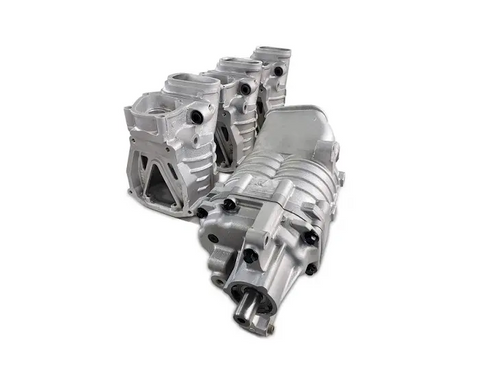
Why Street Engines Need Fast and Smooth Airflow
Street engines drive every day. They face traffic, heat, and fuel that is not always perfect. Airflow that is too slow or too fast can make the engine feel weak or cause knocking.SneedSpeed designs street engines to balance airflow for smooth driving and reliability. The goal is an engine that feels strong but is not stressed all the time.
- Improved drivability: Fast and smooth airflow gives steady torque and predictable throttle response. This helps the car feel natural in stop-and-go traffic, around corners, and during normal driving. The engine reacts immediately when you press the pedal.
- Pump fuel friendly: Street engines often use regular gas. Proper airflow prevents knocking and keeps pistons and rings safe. This also allows the car to perform well even if fuel quality changes.
- Lower heat stress: Good airflow moves air and fuel efficiently, keeping cylinder temperatures under control. This reduces strain on the cooling system and lowers the chance of overheating during heavy traffic or hot weather.
- Consistent performance: Engines feel the same whether cold or warm. Smooth airflow avoids sudden changes in power and keeps throttle response reliable during city and highway driving.
- Long-term reliability: Lower stress on pistons, rods, and rings means the engine lasts longer. Smooth airflow also helps reduce wear on valves and bearings, making the engine more dependable for daily use.
Why Track and Boosted Engines Need Calculated Airflow
Track and boosted engines have a harder life. They run at high RPM, high boost, and create a lot of heat. Airflow must be managed carefully or parts can fail.SneedSpeed sets airflow for track and boosted builds with durability first. Power is important, but the engine must survive long sessions and repeated stress.
- Detonation resistance: Proper velocity controls cylinder pressure during high load, reducing knocking. This protects pistons, rings, and head gaskets from damage. It also keeps combustion smooth under extreme conditions.
- Balanced boost response: Airflow is tuned to help turbos spool efficiently without unsafe pressure spikes. The engine responds quickly to throttle changes while avoiding sharp pressure rises that could damage internal parts.
- Stable power output: Correct airflow keeps power consistent even when the engine heats up. This means lap times stay predictable, and the engine doesn’t lose efficiency under sustained high RPM.
- Safer tuning window: Controlled airflow allows tuners to adjust timing and fuel safely. The engine can reach high performance without constantly risking knock or part failure, giving more freedom for track tuning.
- Protection under abuse: Fast, controlled airflow helps pistons, rods, and bearings survive repeated high RPM and boost without early wear. The engine can handle heavy track sessions or extended periods at full throttle safely.
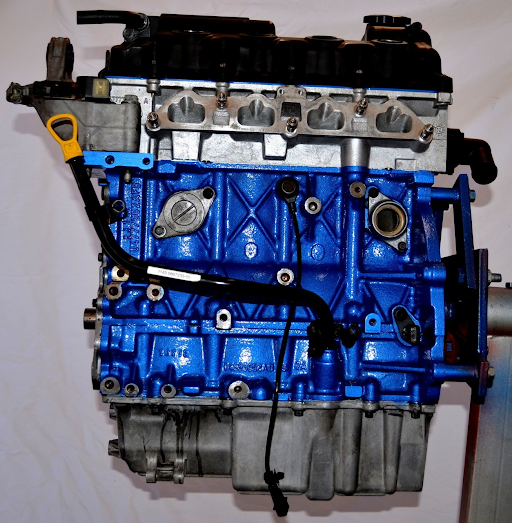
How SneedSpeed Matches Airflow to the Engine’s Environment
SneedSpeed does not choose airflow by looking at one part alone. Every engine is considered as a complete system, where intake, cylinder heads, camshafts, pistons, and exhaust all work together. How the car is driven is more important than just numbers, because street and track engines have very different needs. Street cars need smooth, responsive airflow at low and mid RPM, while track cars need strong, consistent airflow at high RPM for long periods. SneedSpeed adjusts airflow for fuel type, boost, and heat to make the engine safe, reliable, and powerful in real-world conditions.
Airflow is set after looking at the full setup:
- Street or track use: Street engines handle stop-and-go driving, heat cycles, and occasional hard pulls. Track engines run full throttle for long periods. SneedSpeed matches airflow to driving style, balancing power, efficiency, and reliability.
- Boost level: Higher boost increases cylinder pressure and stress on pistons, rods, and bearings. Airflow is adjusted to maintain safe pressure while keeping the engine responsive and strong.
- Fuel type: Different fuels tolerate compression and knock differently. SneedSpeed builds engines with airflow matched to the fuel to prevent detonation and maximize safe performance.
- Thermal demands: Track and boosted engines produce a lot of heat. Airflow is set to manage temperatures, protecting pistons, valves, and cylinder heads during long, hard runs.
- Power goals: Peak numbers alone don’t matter. SneedSpeed focuses on delivering reliable, repeatable power. Correct airflow ensures engines perform consistently, respond well to throttle, and handle repeated abuse.
Frequently Asked Questions (FAQs)
- What is the difference between CFM and velocity?
CFM measures how much air flows into the engine, while velocity measures how fast the air moves. Both matter for performance, but velocity often controls how efficiently the engine breathes. Faster airflow helps cylinders fill fully, giving better power across all RPMs.
- Can a head with lower CFM make more power?
Yes, Even if a cylinder head has lower CFM, faster airflow can improve cylinder filling and combustion. This makes the engine produce more torque and horsepower than a slow-flowing, high-CFM head.
- Does velocity affect low RPM performance?
Absolutely, Fast airflow improves torque and throttle response at low and mid RPM. This makes street driving smoother, helps the car accelerate quickly, and keeps power consistent without lag.
- Do street engines benefit from velocity-focused heads?
Yes, Smooth and fast airflow makes daily driving easier and more responsive. It improves handling in traffic, cornering, and normal driving while reducing stress on the engine over time.
- Can velocity-focused heads work with boost?
Yes, Proper airflow control helps turbo or supercharged engines fill cylinders efficiently. This prevents pressure spikes, reduces knock, and allows the engine to safely reach its power potential.
Conclusion
Airflow is more than a number. CFM measures quantity, but velocity controls efficiency. Engines with proper velocity fill cylinders better, make more power, and respond faster.SneedSpeed designs cylinder heads to focus on velocity, giving real-world performance for street and track cars. Engines are tuned for smooth daily driving or strong track performance.Matching airflow to how the engine is used ensures strong, consistent, and reliable power. Contact SneedSpeed today to build an engine that performs the way it should.