
Airflow Velocity vs CFM and Why Air Speed Matters More Than Big Flow Numbers
Posted by Mamta Sharma on 5th Jan 2026
Airflow plays a huge role in how an engine makes power. Airflow velocity vs CFM is often misunderstood. Many people look only at CFM numbers when choosing parts. CFM only tells how much air can pass through a head or intake. It does not show how the air moves inside the engine. This is where many builds lose power without knowing why.
Air velocity is about air speed, not air volume. Fast-moving air fills the cylinder better. It keeps fuel mixed and controlled. This helps the engine burn fuel more evenly. Engines with good air speed feel stronger and smoother across the RPM range. SneedSpeed focuses on airflow velocity because engines need usable power, not just big numbers on paper.
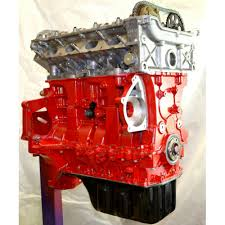
Why High CFM Cylinder Heads Often Fail to Make Real Power on the Street or Track
Many cylinder heads are designed to show very high CFM numbers. These numbers look impressive and help sell parts. But real engines do not run at one steady speed. They accelerate, slow down, and work under load. When airflow speed is too slow, power suffers.
- Slow air speed hurts cylinder filling:
Large ports allow more air volume, but air moves slowly. Slow air does not pack the cylinder well. This reduces torque and weakens combustion, especially at low and mid RPM. - Weak throttle response during driving:
When air speed is low, the engine reacts late. Throttle input feels soft. The car does not respond quickly when power is needed. - Power only shows at very high RPM:
Big CFM heads often make power only at the top end. Most street and track driving happens below that range. This makes the engine feel slow. - Fuel falls out of suspension:
Slow air cannot carry fuel evenly. Fuel sticks to port walls instead of entering the cylinder. This leads to poor burn and lost power. - Harder to tune consistently:
Engines with poor velocity are unstable. Power changes with temperature and RPM. Tuning becomes more difficult and less reliable.
How Airflow Velocity Improves Cylinder Filling and Power Across the RPM Range
Fast air speed helps the engine work better at every RPM. Air enters the cylinder quickly and with purpose. This helps fill the cylinder more completely on every cycle. When air moves fast, it also carries fuel more evenly. The air and fuel stay mixed instead of separating. This creates a cleaner burn inside the cylinder.A stronger burn means better power and better control. The engine does not struggle as RPM rises. Power builds smoothly instead of coming in waves. Throttle response feels sharp and predictable. This makes the engine easier to drive on the street and easier to control on the track.
- Better fuel mixing inside the port:
Fast air keeps fuel suspended. Fuel enters the cylinder evenly. This creates a clean and complete burn. - Stronger low and mid-range torque:
Good velocity builds torque early. The engine feels stronger during normal driving and corner exits. - Smooth power delivery:
Power builds evenly as RPM increases. There are no sudden drops or weak spots in the powerband. - Quick throttle response:
The engine reacts instantly when the throttle is pressed. This makes the car feel sharper and more controlled. - Wider usable powerband:
Power stays available across a larger RPM range. This makes the engine easier to drive and more enjoyable.
How SneedSpeed Builds Engines Around Airflow Velocity Instead of Chasing CFM
SneedSpeed builds engines for real use, not for flow bench numbers. Every part is chosen to support proper air speed. The goal is balanced airflow that works under load, heat, and long sessions.
- Correct port size selection:
Ports are carefully sized to keep air moving fast and efficiently. Oversized ports may increase CFM numbers but slow down air speed. SneedSpeed ensures the right balance for strong performance across all RPM. - Matched intake and head design:
Intake and head components are chosen to work together as a system. Air moves smoothly without turbulence or slowing down. This helps fuel mix evenly and improves engine response. - RPM-based engine planning:
Engines are built to perform best in the RPM range they will actually operate in. This ensures power is usable where drivers need it most. The engine feels strong, smooth, and responsive during real-world driving. - Improved combustion efficiency:
Fast air helps fuel burn more completely and evenly. This reduces wasted energy and makes the engine more efficient. Combustion stays consistent, giving predictable power under all conditions. - Tested in real driving conditions:
Every engine is tested on streets and tracks, not just on a flow bench. Real-world testing ensures performance is reliable. Drivers get engines that work as promised in actual use.
Benefits Drivers Gain from Engines Built with Proper Airflow Velocity by SneedSpeed
Engines built with proper airflow velocity by SneedSpeed feel much stronger and more controlled in every situation. Power comes on smoothly, making it easier for drivers to use it exactly when they need it. The car feels more predictable, whether on city streets, open highways, or the track. Drivers can accelerate confidently without sudden surges or delays. Smooth airflow also reduces strain on engine parts, which helps the engine last longer and perform consistently over time. Overall, the driving experience becomes safer, more enjoyable, and more reliable.
- Stronger mid-range performance:
The engine pulls hard where drivers use it most. Acceleration feels smooth and steady. This makes everyday driving and passing other cars easier and more confident. - Better daily drivability:
Cars feel calm and smooth in traffic or during normal driving. Power comes on without hesitation or surging. Drivers notice a more relaxed and predictable driving experience. - Improved track control:
Smooth power delivery helps maintain grip through corners. Drivers can accelerate confidently when exiting turns. This reduces mistakes and makes track driving safer and more enjoyable. - Reduced engine stress:
Efficient airflow lowers strain on pistons, rods, and other internal parts. The engine experiences less wear over time. This helps it last longer and perform reliably in all conditions. - Consistent performance over time:
Power stays stable run after run, even when the engine heats up. Drivers do not experience sudden power loss. The car feels reliable during long drives or track sessions.
Frequently Asked Questions (FAQs)
- What is the difference between airflow velocity and CFM?
CFM measures how much air flows through the engine. Velocity measures how fast that air moves into the cylinder. - Does higher CFM always mean more power?
No, High CFM with slow air speed often lowers usable power. It can also hurt throttle response. - Why is airflow velocity important for street engines?
Street engines run mostly at low and mid RPM. Fast air improves torque and makes the car easier to drive.
4. Do track engines also benefit from airflow velocity?
Yes, Track engines need steady airflow for consistent power. It helps maintain clean combustion during long sessions.
5. Why does SneedSpeed focus on airflow velocity?
Velocity creates reliable power across the full RPM range. It ensures smooth and usable performance in real driving.
Conclusion
CFM shows how much air can pass through a part. Velocity shows how well that air works inside the engine. Engines need fast, controlled airflow to make real power. Slow air leads to weak response and uneven performance. SneedSpeed builds engines around airflow velocity to improve cylinder filling, combustion, and usable power across the entire powerband.If you want an engine that delivers smooth, reliable power where it matters most, contact SneedSpeed today and build it the right way.