
B48 Engine Rebuild Checklist for Critical Hardware Replacement
Posted by Mamta Sharma on 1st Jun 2026
Many builders try to save cash when they rebuild a motor. Some parts are safe to use again, but you must replace other parts every single time. The B48 motor needs tight seals and fresh bolts to stay strong. Because of this, a good B48 Engine Rebuild Checklist tells you to buy new seals and gaskets before you put things back together. Saving money on old parts can cause big leaks later. A smart Critical Hardware Guide helps you fix things right by listing the parts you should never use twice.
Why Modern B48 Fasteners Are Often Single-Use
New turbo engines use special bolts that stretch when you tighten them. This stretch is a good thing because it squeezes the parts together with the exact same force every time to stop leaks. Because these bolts change shape permanently when used, putting them on your B48 Engine Rebuild Checklist is a must. If you try to use them a second time, they will lose their strength, stretch too much, and cause major engine damage.
- Improved Clamp Load: Stretch-style fasteners help maintain more even clamp pressure during engine operation.
- Better Thermal Stability: Consistent fastener preload helps improve sealing performance during repeated heat cycles.
- Improved Sealing Performance: Proper clamp force helps prevent coolant leaks, oil leaks, and combustion leakage.
- More Accurate Assembly: Modern fasteners help reduce variation during factory and performance engine assembly.
- Permanent Stretching: Once stretched during installation, many of these fasteners permanently deform and should not be reused.
Item #1: Head Bolts
Cylinder head bolts are one of the most important components inside the engine sealing system. The head gasket depends completely on proper clamp force between the cylinder head and engine block. To ensure you choose and install these fasteners correctly, always consult a reliable Critical Hardware Guide during the assembly process.
- Reduced Clamp Force: Reused head bolts may no longer maintain proper sealing pressure after stretching during previous installation cycles.
- Increased Coolant Leak Risk: Weak clamp load can eventually allow coolant leaks around the gasket sealing surface.
- Combustion Leakage: Reduced sealing pressure may allow combustion gases to escape around the cylinders.
- Compression Loss: Improper sealing can eventually reduce cylinder compression and engine performance.
- Mandatory Replacement: Fresh head bolts should always be installed any time the cylinder head is removed.
Item #2: Head Gasket
Even if an old gasket looks clean, do not use it again. These metal layers crush flat to seal the tight gaps between the engine block and the head. Getting a fresh, perfect seal is a key part of your B48 Engine Rebuild Checklist. Once a gasket is crushed flat, it cannot shape itself to the metal surfaces again, which means it will leak if you try to use it twice.
- Crushed Sealing Layers: Once compressed, the gasket cannot reliably return to its original sealing condition.
- Reduced Sealing Integrity: Reused gaskets may eventually allow coolant or combustion leakage.
- High Cylinder Pressure: Turbocharged B48 engines create significant cylinder pressure that requires strong gasket sealing.
- Heat Cycle Damage: Repeated thermal expansion slowly affects gasket sealing surfaces over time.
- Replace During Assembly: Every proper B48 Engine Rebuild Checklist should include a fresh head gasket during reassembly.
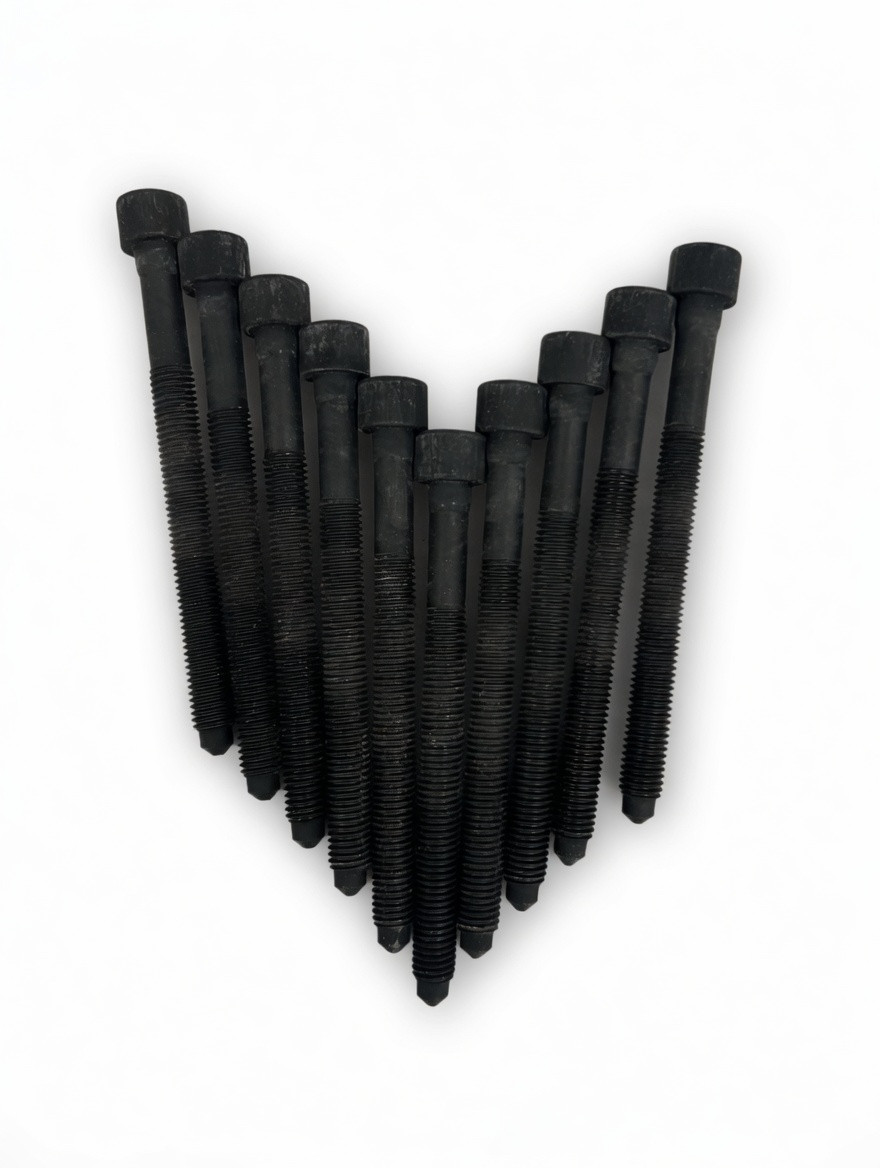
Item #3: Rod Bolts
Connecting rod bolts face heavy stress when the engine runs. Every fire inside the cylinder pushes hard on the rods. Cars with extra power or tunes put even more stress on these bolts when you rev the engine high. Because these parts take such a beating, a Critical Hardware Guide will always tell you to throw away old rod bolts. Reusing them can make the bolts snap, which will quickly destroy your entire engine block.
- High Internal Stress: Rod bolts constantly handle extreme forces during acceleration and high RPM operation.
- Catastrophic Failure Risk: A failed rod bolt can destroy multiple internal engine components almost instantly.
- Potential Engine Damage: A failed rod bolt can eventually create severe internal engine damage involving major rotating assembly components such as pistons, crankshafts, engine blocks, and cylinder heads.
- Cheap Insurance: Fresh rod bolts provide important protection during performance and rebuilt engine applications.
- Smart Preventive Replacement: Most experienced builders replace rod bolts during every major rebuild.
Item #4: Main Fasteners
Main fasteners secure the crankshaft assembly inside the engine block. Proper preload is critical for maintaining bearing housing geometry and crankshaft stability. Weak or worn main hardware can eventually affect crankshaft stability and long-term bearing reliability. Consulting a Critical Hardware Guide ensures you use the correct torque specifications and replacement procedures for these main fasteners, preventing severe bearing damage.
- Crankshaft Stability: Main fasteners help keep the crankshaft properly aligned during engine operation.
- Bearing Protection: Correct preload helps maintain proper oil clearance and bearing stability.
- High Load Conditions: Turbocharged engines place significant stress on the rotating assembly.
- Inspection Matters: Some builds may require upgraded or replacement main hardware depending on power goals.
- Precision Assembly: Every B48 Engine Rebuild Checklist should include careful inspection of main fasteners during assembly.
Item #5: Timing Chain Guides
The B48 timing system is generally reliable, but timing chain guides still wear over time. Replacing them during a rebuild is much cheaper than future labor costs later. Because of this, adding fresh timing guides to your B48 Engine Rebuild Checklist is a smart preventive move. Future timing system labor requires pulling major sections of the motor apart, which can become extremely expensive if you have to do it a second time.
- Heat Cycle Wear: Plastic guides slowly wear from repeated heat cycles and oil exposure.
- Timing System Stability: Fresh guides help maintain proper chain alignment and timing stability.
- Preventive Maintenance: Replacing worn guides during assembly helps reduce future repair risks.
- Reduced Labor Later: Guide replacement becomes far easier while the engine is already disassembled.
- Smart Rebuild Practice: Many builders automatically replace timing guides during major rebuilds.
Item #6: Timing Chain Tensioner
A loose timing chain can skip teeth and wreck your valves. A fresh tensioner keeps the chain tight and stops the system from wearing out too fast. Because a loose chain can ruin the motor, a Critical Hardware Guide will usually tell you to swap the tensioner out. This keeps your engine timing perfect and saves you from a massive repair bill down the road.
- Timing Variation: Loose timing chains may create inconsistent valve timing during operation.
- Chain Noise: Worn tensioners often create startup rattles or chain noise.
- Accelerated Wear: Poor chain tension can increase wear throughout the timing system.
- Inexpensive Protection: Fresh tensioners are relatively inexpensive compared to future timing repairs.
- Recommended Replacement: Most rebuilds include new timing chain tensioners during assembly.
Item #7: Front and Rear Main Seals
Main seals harden with age, heat cycles, and long-term engine operation. Fresh seals help prevent frustrating oil leaks after the rebuild is complete. Oil leaks from worn seals can eventually contaminate surrounding engine components and create additional maintenance issues. For this reason, replacing both the front and rear main seals is a non-negotiable step on your B48 Engine Rebuild Checklist to ensure a bone-dry engine bay for miles to come.
- Oil Leak Prevention: Fresh seals help maintain proper oil containment during operation.
- Heat Cycle Protection: New seals handle temperature changes better than aged rubber components.
- Reduced Future Labor: Replacing seals now helps avoid major disassembly later.
- Cleaner Engine Operation: Fresh seals help prevent oil contamination throughout the engine bay.
- Standard Rebuild Practice: Most professional engine builders replace all major seals during assembly.
Item #8: Valve Cover Gasket
Valve cover gaskets eventually become brittle from repeated heat exposure and engine age. Fresh valve cover gaskets help keep the engine bay cleaner and reduce long-term oil seepage problems.
- Oil Leaks: Old gaskets may allow oil leaks around the valve cover sealing surface.
- Burning Oil Smell: Leaking oil can create unpleasant burning odors inside the engine bay.
- Engine Bay Contamination: Oil leaks often collect dirt and grime throughout surrounding engine components.
- Easy Access During Rebuild: Replacing the gasket during assembly is much easier than future repairs later.
- Low Replacement Cost: Valve cover gaskets are inexpensive, making them an easy addition to your B48 Engine Rebuild Checklist compared to the high labor costs of fixing a leak later.
Item #9: Coolant Seals and O-Rings
Old rubber seals and O-rings are the main cause of cooling system leaks. Small leaks can slowly drain your coolant and overheat the motor. Replacing these cheap parts when you rebuild the engine keeps things running cool and saves you from future fixes. A good Critical Hardware Guide will point out every O-ring you need to swap so you do not miss a single leak point.
- Heat Damage: Rubber seals slowly harden after repeated temperature cycles.
- Coolant Leak Prevention: Fresh seals help reduce frustrating coolant leaks later.
- Cooling System Reliability: Proper sealing helps maintain stable engine temperatures.
- Easy Preventive Maintenance: Replacing small seals during assembly helps avoid future headaches.
- Better Long-Term Reliability: Fresh cooling system seals improve rebuild quality and long-term reliability.
What Components Can Often Be Reused?
Not every engine component requires replacement. Many parts can safely be reused after careful inspection and measurement. Checking these reusable items carefully is a key step on any B48 Engine Rebuild Checklist to keep costs down while ensuring reliability. Proper cleaning and inspection procedures are critical before deciding whether reusable components remain within specification.
- Commonly Reused Components: After careful inspection and proper measurement, many builders successfully reuse major engine components such as cylinder heads, crankshafts, camshafts, timing covers, oil pans, and valve covers during a rebuild.
- Proper Inspection Matters: The key is confirming specifications and condition rather than simply assuming parts remain usable.
- Measurement Is Important: Clearances, surface condition, and wear limits should always be checked carefully.
- Experienced Builder Approach: Professional builders focus on inspection data rather than visual appearance alone.
- Smart Rebuild Decisions: A proper engine overhaul balances preventive replacement with careful component inspection.
The Labor Rule
If failure requires major disassembly later, replace the component now. Preventive replacement during assembly usually costs far less than repeating major engine disassembly later.
- Labor Costs Add Up: Engine teardown labor often costs far more than small replacement parts.
- Preventive Replacement Saves Money: Replacing inexpensive components during assembly helps reduce future repair costs.
- Better Long-Term Reliability: Fresh hardware and seals help improve confidence in the completed rebuild.
- Reduced Downtime: Preventive maintenance helps keep the vehicle operating reliably longer.
- Smart Builder Mentality: Most successful builders prioritize reliability over small short-term savings, using a Critical Hardware Guide to know exactly which fasteners cannot be reused.
Frequently Asked Questions
- Why are torque-to-yield fasteners single-use?
They permanently stretch during installation to seal properly. Reusing them can cause them to snap or leak, which is why a Critical Hardware Guide marks them as single-use. - Should B48 head bolts always be replaced?
Yes. Adding new bolts to your B48 Engine Rebuild Checklist ensures the cylinder head clamps down perfectly and prevents gasket failure. - Can old timing chain guides be reused?
Worn guides may eventually crack or wear excessively, so many builders replace them during rebuilds. - Why should seals and gaskets be replaced during a rebuild?
Old seals and gaskets harden over time and may eventually leak after reassembly. - What is included in a proper Critical Hardware Guide?
A proper guide usually includes replacement recommendations for head bolts, rod bolts, seals, gaskets, timing components, and cooling system seals.
Conclusion
Long-term engine reliability comes from proper assembly, quality replacement parts, and attention to small details during the rebuild process. Replacing worn seals, gaskets, and critical fasteners helps reduce the risk of future engine problems and expensive repairs. Ready to build your B48 engine with confidence? Shop premium replacement hardware now for trusted rebuild components designed for serious performance and durability.