
Complete Guide to R53 Belt Tensioner Install on MINI Cooper with SneedSpeed
Posted by Mamta Sharma on 18th Mar 2026
Upgrading the belt tensioner on your R53 MINI Cooper is a popular modification for drivers who want improved performance and reliability. The factory automatic tensioner works well for normal driving conditions, but over time it can weaken. When that happens, the serpentine belt may slip, create noise, or reduce the efficiency of important engine components.Many MINI Cooper enthusiasts upgrade to a manual tensioner because it allows better control over belt tension. This upgrade is especially useful for performance builds, modified engines, or vehicles that experience higher loads.
In this guide, we explain the full R53 belt tensioner install process step by step. Whether you are a beginner learning about vehicle maintenance or an experienced DIY mechanic, this article will help you complete the manual tensioner installation R53 safely and confidently. We also highlight the advantages of using a high-quality performance part from SneedSpeed.
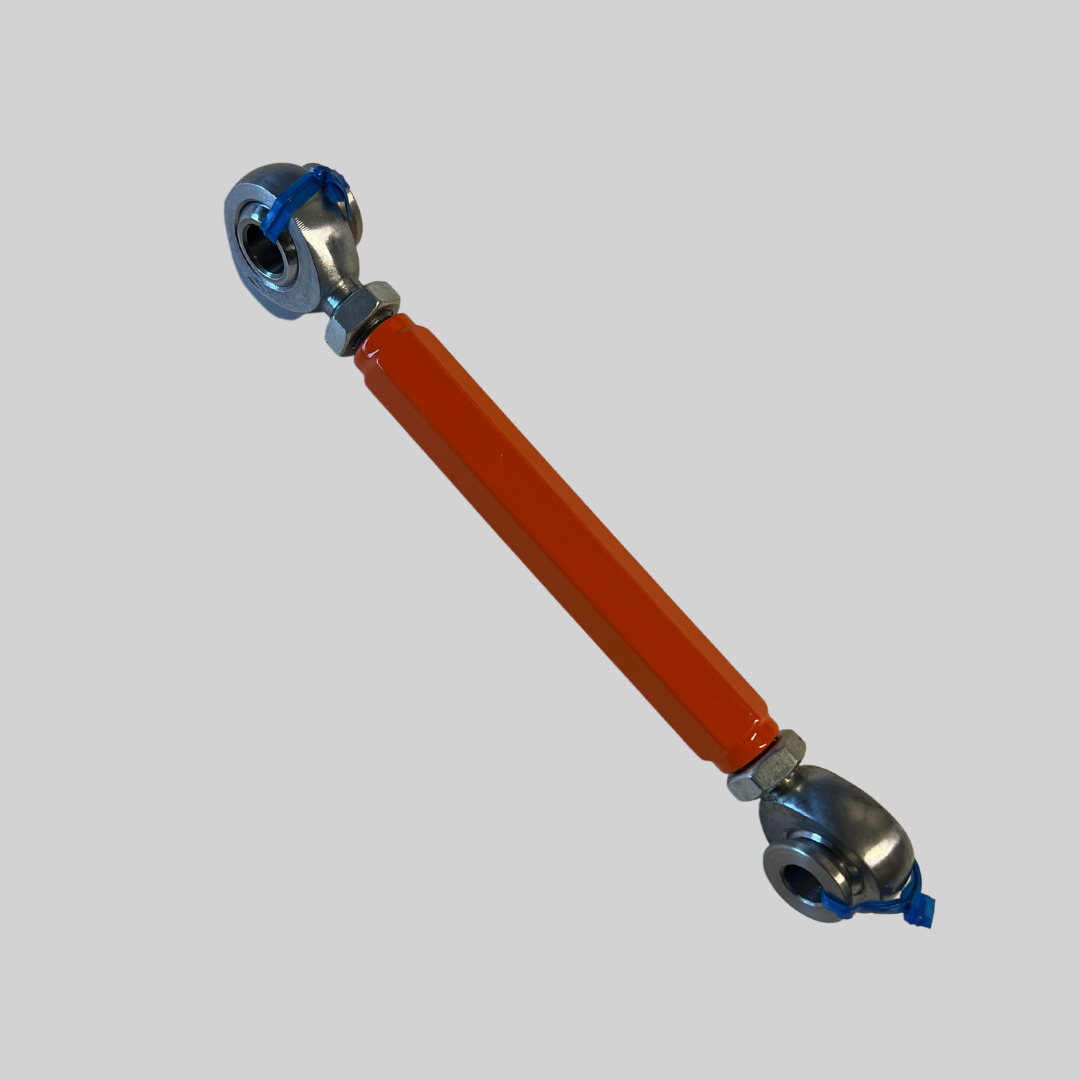
R53 Belt Tensioner Install Introduction and Why This Upgrade Matters
The belt tensioner plays a critical role in the engine’s accessory drive system. It keeps the serpentine belt tight so it can operate multiple engine components at the same time. These components include the alternator, water pump, supercharger, and other accessories that are essential for proper engine function.In the R53 MINI Cooper, the original tensioner uses a spring-loaded automatic system. Over time, the internal spring may weaken or wear out. When this happens, the belt may begin to slip, causing squealing noises or reduced performance.
This is one of the main reasons many owners choose to perform an R53 belt tensioner install using a manual upgrade. A manual tensioner allows the driver to adjust belt tension directly. This provides better belt stability, especially during high engine load or aggressive driving.Another advantage of the manual tensioner installation R53 is durability. Manual tensioners typically have fewer moving parts, which means they are less likely to fail compared to spring-loaded automatic systems. This upgrade can improve reliability and extend the lifespan of your serpentine belt.
Tools and Preparation Needed for Manual Tensioner Installation R53
Before beginning the installation process, it is important to gather all the necessary tools and prepare the vehicle properly. Good preparation makes the installation process smoother and helps prevent mistakes.
Tools Required
- Socket set and ratchet
- Torque wrench
- Breaker bar or belt tensioner tool
- Allen keys or hex tools
- Screwdrivers
- Flashlight or work light
- Protective gloves
Vehicle Preparation
- Park the MINI Cooper on a flat and stable surface.
- Turn off the engine and allow it to cool completely.
- Disconnect the vehicle battery to avoid electrical issues.
- Clear any obstacles around the engine bay.
Accessing the Belt System Before Starting R53 Belt Tensioner Install
Before removing the tensioner, you must first access the serpentine belt system inside the engine bay.In the R53 MINI Cooper, the belt system is located at the front of the engine and runs across several pulleys. The automatic tensioner keeps the belt tight as the engine runs.
Steps to Access the Belt System
- Open the hood and secure it with the support rod.
- Remove any plastic covers that block access to the belt area.
- Locate the serpentine belt and identify the automatic tensioner.
- Observe how the belt moves across the pulleys.
It is helpful to take a photo of the belt routing before removing the belt. This reference will make reinstalling the belt easier after completing the R53 belt tensioner install. Having a clear view of the belt system helps avoid installation errors later.
Removing the Stock Automatic Tensioner from the R53 MINI Cooper
Once the belt system is visible, the next step is removing the factory automatic tensioner. This part of the R53 belt tensioner install requires care because the belt is under tension.
Removal Steps
- Use a breaker bar or tensioner tool to release tension from the serpentine belt.
- Carefully slide the belt off one of the pulleys.
- Slowly release the tensioner so the belt becomes loose.
- Locate the bolts that hold the tensioner to the engine block.
- Remove the bolts using the correct socket.
- Carefully remove the automatic tensioner from the engine.
Safety Tips
- Release belt tension slowly to avoid sudden movement.
- Keep your hands away from moving parts.
- Avoid forcing bolts that feel stuck.
Removing the factory tensioner correctly prepares the engine for the manual tensioner installation R53.
Installing the SneedSpeed Manual Belt Tensioner on the R53 Engine
After removing the original tensioner, you can install the upgraded manual tensioner.A high-quality performance tensioner from SneedSpeed is designed specifically for the R53 MINI Cooper engine. These parts offer better durability and improved belt stability.
Installation Steps
- Position the manual tensioner in the same location as the original unit.
- Align the mounting holes with the engine block.
- Insert the bolts and tighten them lightly.
- Use a torque wrench to tighten the bolts according to specifications.
- Confirm that the tensioner is properly aligned.
Correct alignment during the R53 belt tensioner install is very important. A misaligned tensioner can cause uneven belt wear or reduce belt lifespan.Take a few moments to double-check alignment before moving to the next step.
Setting the Correct Belt Tension After Manual Tensioner Installation R53
After installing the manual tensioner, the next step is adjusting the belt tension properly.This step is one of the most important parts of the manual tensioner installation R53 process.
Steps to Adjust Belt Tension
- Reinstall the serpentine belt using the original routing path.
- Slowly tighten the manual tensioner adjustment bolt.
- Make sure the belt sits correctly in all pulley grooves.
- Continue adjusting until the belt feels firm but not overly tight.
Checking for Belt Problems
Start the engine briefly and watch the belt system.
Look for signs such as:
- Squealing noises
- Belt slipping
- Belt vibration or wobbling
If any of these problems appear, turn off the engine and adjust the tension again.Proper adjustment ensures the R53 belt tensioner install works effectively and keeps the belt running smoothly.
Final Inspection and Test Drive After R53 Belt Tensioner Install
After completing the installation, it is important to inspect the entire belt system before driving the vehicle.
Final Inspection Checklist
- Confirm that all bolts are tightened securely
- Check that the serpentine belt sits correctly on every pulley
- Verify the tensioner alignment
- Ensure no tools remain in the engine bay
Start the engine and allow it to idle for several minutes. Listen carefully for any unusual noises.If everything sounds normal, take a short test drive. During the drive, monitor engine performance and listen for belt noise.A successful drive confirms the manual tensioner installation R53 was completed correctly.
Troubleshooting Common Problems After Manual Tensioner Installation R53
Sometimes minor issues may appear after installation. Most of these problems can be solved with simple adjustments.
- Belt Squealing: This usually means the belt tension is too loose. Tighten the tensioner slightly.
- Uneven Belt Wear: Check the alignment of the tensioner and pulleys.
- Engine Vibration: Loose bolts may cause vibration. Tighten them using the correct torque.
Regular inspection after the manual tensioner installation R53 helps maintain smooth engine performance.
Frequently Asked Questions
- Why upgrade to a manual belt tensioner on an R53 MINI Cooper?
A manual tensioner provides better belt control and helps prevent slipping in performance setups. - How long does an R53 belt tensioner install take?
Most installations take between one and two hours. - Is a manual tensioner better than the stock automatic tensioner?
For modified or performance engines, manual tensioners often provide better stability. - What tools are needed for manual tensioner installation R53?
Basic tools like a socket set, breaker bar, and torque wrench are required. - Where can I buy a reliable R53 manual tensioner?
You can purchase a high-quality tensioner from SneedSpeed: https://sneedspeed.net/r53-manual-belt-tensioner/
Conclusion
Upgrading to a manual tensioner is a practical improvement for many MINI Cooper owners. A properly completed R53 belt tensioner install helps maintain stable belt tension and prevents slipping during acceleration. By following the steps in this guide, you can perform a safe and accurate manual tensioner installation R53. Taking the time to check bolt torque, belt alignment, and correct tension will help ensure the system runs smoothly and reliably. Using a high-quality upgrade is also important for long-term performance. Parts from SneedSpeed are designed specifically for the R53 MINI Cooper and provide strong durability for both daily driving and performance builds. If you want better belt stability and improved engine performance, now is the perfect time to upgrade. Visit SneedSpeed today and get the R53 manual belt tensioner to improve the reliability and performance of your MINI Cooper.