
Compression Ratio Differences Between Street and Track Engines
Posted by Mamta Sharma on 5th Jan 2026
Compression ratio is one of those choices that affects everything an engine does. It changes how the engine responds to throttle, how much heat it makes, and how long the internal parts survive. When compression is wrong, even good parts wear out faster or fail early.Street cars and track cars are used in very different ways. A street car deals with traffic, heat soak, cold starts, and pumps fuel. A track or boosted car spends long periods at high RPM and heavy load. SneedSpeed sets compression with that difference in mind. Street engines use moderate compression for smooth driving and reliability. Track and boosted engines use carefully chosen ratios to control cylinder pressure, reduce knock, and keep power consistent when the engine is pushed hard.
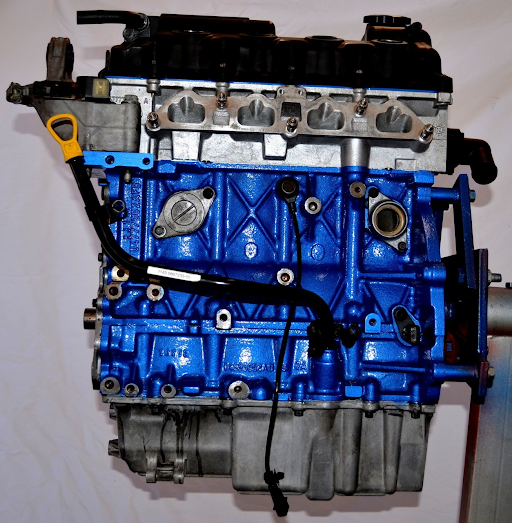
Why Street Engines Need Moderate Compression
Street engines have to work in real-world conditions every day. They sit in traffic, deal with hot weather, and run on fuel that is not always perfect. High compression may look good on paper, but on the street it usually causes heat issues and knocks over time.SneedSpeed builds street engines with compression that makes the car easy to drive and dependable. The goal is an engine that feels strong without being stressed all the time.
- Improved drivability: Moderate compression gives smooth throttle response and steady torque. The engine feels predictable, which matters when driving in traffic or at low speeds.
- Pump fuel friendly: Most street cars run pump gas. Keeping compression reasonable helps prevent knocks when fuel quality changes and protects pistons and rings.
- Lower heat stress: High compression creates more heat, especially during slow driving. Moderate compression helps keep temperatures under control and reduces strain on the cooling system.
- Consistent performance: The engine feels the same whether it’s cold or fully warmed up. There are no sudden changes in power due to heat or knock correction.
- Long-term reliability: Lower cylinder pressure means less wear on pistons, bearings, and rings. The engine lasts longer and handles daily use better.
Why Track and Boosted Engines Need Calculated Compression Ratios
Track and boosted engines live a harder life. They run at high RPM, see sustained boost, and build a lot of heat. In these conditions, compression must be chosen carefully or parts will fail.SneedSpeed sets compression for track and boosted builds based on durability first. The engine needs to make power, but it also needs to survive long sessions and repeated abuse.
- Detonation resistance: Proper compression keeps cylinder pressure under control during long high-load runs. This reduces the chance of knock as temperatures rise and protects pistons, ring lands, and head gaskets from cracking or lifting under sustained stress.
- Balanced boost response: Compression is chosen to help the turbo spool efficiently without pushing cylinder pressure beyond safe limits. This allows the engine to respond quickly to throttle input while avoiding sharp pressure spikes that damage internals.
- Stable power output: Engines with the right compression hold power better as heat builds during long sessions. Instead of pulling timing or losing efficiency, the engine stays consistent from the first lap to the last.
- Safer tuning window: Controlled compression gives tuners more flexibility with ignition timing and fueling. The engine can be tuned for performance without constantly operating on the edge of detonation or component failure.
- Protection under abuse: Track driving and high boost put repeated stress on pistons, rods, bearings, and rings. Correct compression helps these parts survive high RPM and heavy load over and over again without premature wear or damage.
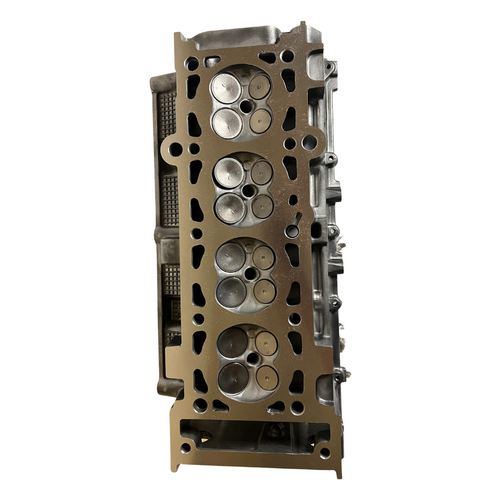
How SneedSpeed Matches Compression to the Engine’s Environment
SneedSpeed doesn’t choose compression in isolation. Every engine is looked at as a full package. How the car is driven matters more than chasing a specific number.
Compression is chosen after considering the entire setup.
- Street or track use: Daily driving and track driving stress an engine in very different ways. Street engines need to handle stop-and-go traffic, heat cycles, and occasional hard pulls without hesitation or knock. Track engines endure sustained high RPM, long periods at full throttle, and repeated hard accelerations. SneedSpeed matches compression to the car’s intended use to balance power, reliability, and drivability.
- Boost level: Running higher boost increases cylinder pressure and internal stress on pistons, rods, and bearings. Too much compression under boost can lead to knock, premature wear, or catastrophic failure. Compression is carefully adjusted for each boost level to maintain safe pressure while keeping the engine responsive and capable of delivering the desired power.
- Fuel type: Different fuels tolerate different levels of compression. Pump gas is less knock-resistant than ethanol or race fuel. Engines are built with compression ratios that match the fuel they will actually use, ensuring the engine runs safely and consistently without detonation or wasted power.
- Thermal demands: Engines running on a track or under heavy boost generate sustained heat for long periods. Excessive compression in these conditions can quickly lead to overheating and engine damage. SneedSpeed sets compression to manage temperature buildup and protect internal components during long, hard sessions.
- Power goals: Peak numbers are meaningless if the engine doesn’t survive the load. SneedSpeed focuses on delivering reliable, repeatable power rather than chasing a single high number. Proper compression ensures that the engine performs consistently, responds well to throttle, and can handle repeated abuse without shortening its lifespan.
Frequently Asked Questions (FAQs)
1. How does SneedSpeed choose the right compression ratio?
SneedSpeed looks at how the car will be used, boost level, fuel type, and reliability goals. Compression is set to match real driving conditions.
2. Is higher compression always better?
No, Higher compression can add power, but it also increases heat and knock risk. Balance matters more than chasing numbers.
3. Can a street engine still handle boost safely?
Yes, With the right compression and parts, a street engine can run boost while staying reliable and easy to drive.
4. Why are track engines built differently than street engines?
Track engines run hard for long periods. They need compression that controls heat and cylinder pressure under constant load.
5. Does fuel choice affect compression?
Yes, Different fuels handle knocks differently. Compression is always matched to the fuel the engine will run.
Conclusion
Compression ratio should be chosen based on how the engine will actually be used. Street engines benefit from moderate compression that improves drivability and reliability. Track and boosted engines need carefully planned ratios to manage heat, detonation, and power during sustained use.SneedSpeed builds engines for real conditions, not just numbers on paper. By matching compression to fuel, boost, and driving style, SneedSpeed delivers engines that last and perform the way they should. If you want an engine built right for your setup and goals, contact SneedSpeed today and talk with builders who understand what works.