
N18 Timing Chain Installation Planning: Tools, Preparation, Verification, and Checks
Posted by Mamta Sharma on 7th Jul 2026
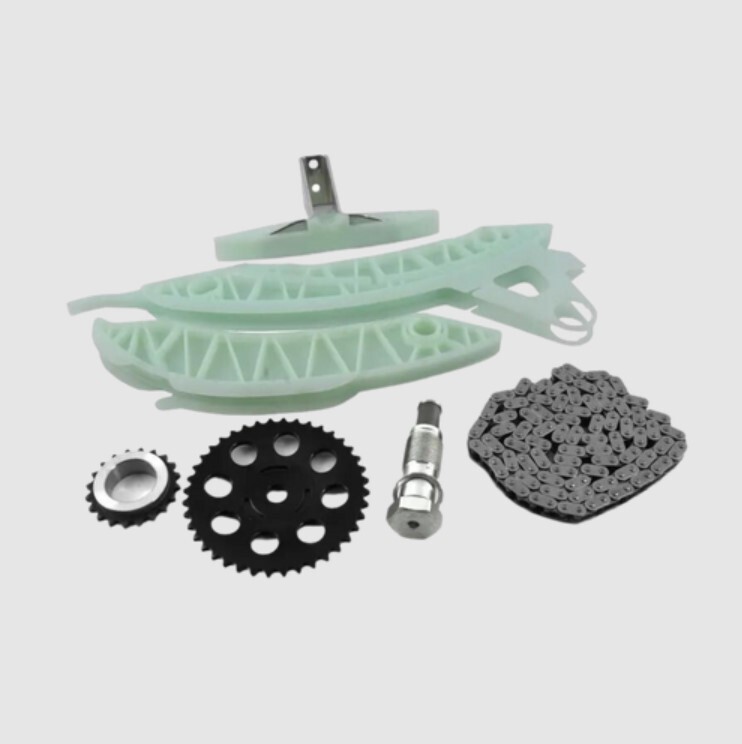
An N18 timing-chain job is won or lost before the first cover comes off. The customer sees a kit. The engine builder sees a controlled procedure: diagnosis, fitment, tools, clean work, mechanical timing, fasteners, oil pressure, leak checks, and verification. The R56 N18 Cryo Race Timing Chain Kit is verified live at $239.99 with SKU / Part Number N18CTCK. The page describes the chain as cryogenically hardened for better durability, reduced stretch, and more stable timing. This installation article does not repeat the full product overview. It focuses on tools, preparation, procedures, common mistakes, verification, and post-install checks.
Confirm the Job Before Disassembly
Before installation, confirm:
- Engine: N18
- Platform/application: R56 MINI Cooper S / JCW as listed
- Product URL and SKU
- Reason for service
- Symptoms and fault evidence
- Related parts required by inspection
- Verified service procedure
- Required timing tools
Do not select timing parts by badge alone. Confirm the engine code. Confirm the current product listing. Confirm the installer has N18 timing experience.
Tools and Preparation
The exact tool list must come from verified service information for the vehicle. At the shop level, the installer should be prepared for:
- Camshaft timing tools
- Crankshaft holding or positioning tools
- Torque and angle equipment
- Engine support
- Clean sealing surfaces
- Organized hardware control
- Oil pressure verification
- Fault-code scan tool
- Post-install inspection
Do not use paint marks as the timing procedure. Paint marks can help you remember where something was; they do not prove the engine is timed correctly.
Work Area Preparation
A clean timing job is not about looking fancy. It is about control. Lay out trays. Separate old fasteners from new fasteners. Tag connectors. Photograph routing if needed. Keep sealing surfaces clean. Keep dirt and old sealant out of the engine. Whether installing an upgraded N18 timing chain kit, organization helps ensure every component is fitted correctly.
When a job is organized, mistakes stand out. When the bench is a pile of bolts and covers, the installer is relying on memory at the exact moment the engine needs procedure.
Before the first cover comes off, the shop should have:
- The verified service procedure
- The product page and SKU confirmed
- Replacement fasteners identified
- Fluids and service materials ready
- Scan data saved
- Customer approval process defined
- Time set aside for verification, not just assembly
Statement
Most catastrophic failures start with a small shortcut.
Story
We ran the same MINI engine through three separate three-hour endurance races. Oil pressure was good. Temperatures were good. The tune-up was good. The weak point was a reused torque-to-yield crank bolt. The bolt lost clamp load, timing moved, and the engine was damaged.
Lesson
If the verified procedure says replace the fastener, replace it. A cheap fastener can destroy an expensive engine.
Procedure Planning
This is not a step-by-step service manual. The installer must use verified N18 service information. The planning sequence should look like this:
- Record symptoms and fault data before disassembly.
- Confirm oil level and condition.
- Establish the engine in the correct service position.
- Lock or hold components as required by procedure.
- Release tension only when the system is controlled.
- Inspect old chain, guides, tensioning components, sprockets, seals, and related hardware.
- Replace one-time-use fasteners where required.
- Install parts using verified torque and angle data.
- Rotate and verify mechanical timing.
- Reassemble cleanly.
- Prime and verify oil pressure.
- Start, monitor, scan, inspect, and document.
The kit is one part of that process. The engine builder’s discipline is the rest.
Handling Related Findings
Timing-chain jobs often reveal related wear. A guide may be more worn than expected. A seal may be leaking. A fastener may show prior damage. Oil contamination may raise questions. The shop needs a plan before that happens.
The customer should know:
- What the base job includes
- What parts are inspection-dependent
- Who approves additional work
- Whether the car can be reassembled safely if a related part is declined
- What documentation will be provided
That is not upselling. That is how a shop avoids closing an engine over a known problem.
Common Mistakes
The mistakes we see are usually ordinary:
- Starting without diagnosis
- Ordering by chassis alone
- Skipping the oil inspection
- Using paint marks instead of tools
- Reusing one-time-use fasteners
- Guessing torque specs
- Ignoring related wear
- Starting before timing verification
- Failing to check oil pressure
- Returning the car without a post-install scan
Statement
Inspection matters.
Story
During a dyno session on another car, an unchecked bent driveshaft and brake issue led to a catastrophic failure and fire. The lesson was not about timing chains. It was about the danger of assuming the obvious part is the only part that matters.
Lesson
Inspect the whole system. The problem that hurts you is often the one nobody checked.
Verification Before Startup
Before the starter turns, the installer should verify:
- Mechanical timing is correct
- Tools fit and release as expected
- The engine rotates by hand as specified
- No binding is present
- Related hardware is torqued correctly
- Oil system is ready
- Connectors, hoses, and covers are restored
If something feels wrong by hand, do not ask the starter motor to solve it.
Documentation
A professional timing-chain job should leave a record. The customer should know what symptom led to the repair, what kit was installed, what related parts were replaced, what was inspected, what oil was used, and whether any faults returned.
Documentation helps the next diagnosis. It also proves the repair was performed as a system, not as a box of parts thrown at a noise.
The Installer’s Pre-Start Pause
Before startup, stop. This is the moment where a careful engine builder earns the job. The engine is assembled. The covers may be on. The customer wants the car back. That pressure is real, but the engine does not care about pressure.
The installer should ask:
- Did we verify mechanical timing?
- Did we rotate the engine as required?
- Did anything bind?
- Did all required fasteners get replaced?
- Did oil passages and sealing surfaces stay clean?
- Is oil level correct?
- Are connectors and hoses restored?
- Are tools and rags clear?
- Are we ready to monitor pressure, temperature, leaks, and noise?
If the answer to any question is weak, the engine is not ready.
Post-Install Road Test Discipline
The road test is not a victory lap. It is part of the repair. After installing an N18 timing chain kit for MINI JCW or an N18 timing chain kit for rebuild, the driver should warm the car correctly, listen for abnormal noise, watch temperature, feel idle quality, and avoid hard use until the engine has been checked. After the test, scan the car again. Look for leaks. Recheck oil. Let the engine cool and inspect again if needed.
For a track car or race car, the first session after timing work should not be treated like qualifying. Build load progressively. Watch data. Inspect after the run. A race-minded shop proves the repair in steps.
Customer Handoff
When the customer picks up the car, the shop should explain:
- What was diagnosed
- What was installed
- Which product was used
- SKU N18CTCK and product URL if needed
- What related items were inspected
- What maintenance should happen next
- What symptoms require an immediate call
That handoff turns the customer into part of the reliability plan.
Shop Example: The Clean Bench
We like a clean bench because it makes mistakes visible. Timing components laid out in order tell a story. Mixed hardware tells a different story. On a timing-chain job, organization is not personality; it is risk control. That level of preparation is especially important when fitting an N18 race timing chain kit for demanding performance applications.
If a customer sees the old parts laid out and the shop can explain the wear, the repair becomes understandable. That builds trust and helps the customer see why timing service is more than installing one shiny chain.
Installation Responsibility Table
|
Stage |
Responsibility |
|---|---|
|
Before disassembly |
Diagnose, save faults, confirm product, confirm tools |
|
During teardown |
Keep engine controlled, organize parts, inspect wear |
|
During assembly |
Use verified service data, replace required fasteners, keep parts clean |
|
Before startup |
Verify timing, rotate as required, confirm oil readiness |
|
First startup |
Monitor oil pressure, temperature, leaks, noise |
|
After startup |
Scan faults, road test, recheck, document |
This table is the reason we call the job advanced. None of these steps is glamorous. All of them matter. The installer who skips the boring steps is the installer who gives a good part a bad chance.
The Race-Car Standard Applied to a Street Car
Race preparation teaches restraint. You do not rush the car onto the track because the body panels are back on. You nut-and-bolt the car. You check fluid. You inspect fasteners. You verify the work.
The same attitude belongs in an N18 timing-chain installation. Even if the car is a street car, the engine deserves a controlled process. The goal is not to make the repair sound dramatic. The goal is to avoid drama after the customer leaves, especially after installing an N18 cryo timing chain kit.
Post-Install Maintenance Note
Tell the customer not to treat the new timing system as permission to ignore oil. Oil level and oil condition still matter. A good timing kit running in neglected oil is being asked to survive a problem that maintenance should have prevented.
For a track car or race car, put the first inspection on the calendar before the car leaves the shop. Maintenance should be part of the handoff, not a vague reminder.
Common Installer Questions
- Can the job be done without the correct timing tools?
Not responsibly. The tool cost can look annoying until you compare it with the cost of mis-timing the engine. If the installer does not have the tools, the job should wait.
- Can the old chain position be marked and copied?
Paint marks are not a timing procedure. They can help record what was found, but they do not replace verified mechanical timing.
- Should the customer supply only the kit?
Only if the shop has already identified every other part required. The kit is the center of the job, not necessarily the entire job. Fasteners, seals, fluids, and inspection-dependent items may still be needed.
- What proves the installation worked?
Correct mechanical timing, clean startup, oil pressure, no leaks, no abnormal noise, no returning faults, and a documented handoff. A car leaving the bay quietly is good. A car leaving with proof is better. - Final Installation Standard
The standard is simple: no guessing. No guessed fitment, no guessed torque, no guessed timing, no guessed fastener reuse, and no guessed startup. The N18 timing system is too important for “close enough.” If the installer cannot explain how the job will be controlled and verified, the job is not ready to begin. That is the installation lesson we bring from racing into street-car work. The car does not care whether the mistake was made in a professional shop or a garage. It only responds to the finished assembly.
Customer Example: DIY or Shop?
A customer who has done brakes and suspension may still be overmatched by timing work. That is not an insult. Timing service is a different category. If the MINI owner does not have verified service information, proper timing tools, torque equipment, and a verification plan, the job belongs with a shop. The cost of professional installation can be cheaper than learning mechanical timing on the engine you need Monday morning.