
R53 Manual Belt Tensioner Upgrade Guide to Fix Slip with SneedSpeed
Posted by Mamta Sharma on 11th Mar 2026
The 2002–2006 MINI Cooper S R53 is well known for its supercharged engine and engaging driving experience. Enthusiasts appreciate the instant power delivery provided by the Eaton M45 supercharger and the strong mechanical connection between engine components. Unlike turbocharged engines that rely on exhaust pressure to generate boost, the R53 uses a belt-driven system that directly powers the supercharger.Because the supercharger is driven by the accessory belt, the belt tension system plays a critical role in engine performance. When the belt maintains proper grip and tension, the supercharger spins at the correct speed and produces stable boost pressure. However, as owners begin modifying their cars with reduced pulleys, performance tuning, and aggressive driving, the factory belt tension system may start to struggle.
Many performance-focused R53 builds eventually experience belt slip, inconsistent boost, and reduced efficiency. These problems often originate from the factory automatic tensioner reaching its mechanical limits. That is why many experienced MINI builders upgrade to a manual belt tensioner system.This guide explains how a manual tensioner works, why it improves performance, and how it contributes to long-term reliability in high-performance R53 builds.
Why the R53 Supercharger Belt Drive System Is Critical for Engine Performance
The belt system in the MINI Cooper S R53 is responsible for transferring mechanical energy from the crankshaft to several accessories. The most important component in this system is the Eaton M45 supercharger, which depends entirely on the belt drive for operation.When the belt rotates smoothly with proper tension, the supercharger spins at the expected speed and generates stable boost pressure. However, when the belt begins to slip or lose tension, the supercharger cannot maintain its intended RPM.This creates several performance problems that affect the entire engine system.
Common results of belt slip include:
- Reduced boost pressure
- Higher intake air temperatures
- Unstable air fuel ratios
- Reduced engine efficiency
- Visible belt dust accumulation
- Premature wear on pulleys and belts
These issues can significantly reduce engine performance and reliability. In high-performance builds, even a small amount of belt slip can cause noticeable differences in acceleration and throttle response.Because the supercharger relies completely on the belt drive system, maintaining consistent belt tension is essential for stable performance.
Why the Factory OEM Automatic Belt Tensioner Struggles Under High Load Conditions
The original belt tensioner in the R53 MINI Cooper S uses a spring-loaded automatic design. This tensioner automatically adjusts belt pressure as the belt expands or contracts due to heat and engine load.
The system includes:
- A tensioner arm
- A powerful internal spring
- A damping mechanism
- Automatic tension compensation
This design works effectively in stock vehicles where engine loads remain within the factory specifications. The automatic system provides smooth operation and minimal maintenance for everyday driving.However, once the engine is modified for higher performance, the tensioner may struggle to maintain consistent belt pressure.
Several modifications increase belt load significantly:
- Reduced supercharger pulley upgrades
- Crank pulley upgrades
- Frequent high RPM acceleration
- Track driving conditions
- Extended heat cycles
Under these conditions, the internal spring can briefly relax when the engine experiences sudden torque increases. Even a small reduction in tension can cause the belt to lose grip.This leads to momentary belt slip, which reduces supercharger speed and boost pressure. Drivers may notice inconsistent acceleration or a slight hesitation when the engine is under heavy load.
How a Manual Belt Tensioner Improves Control and Stability in the R53 System
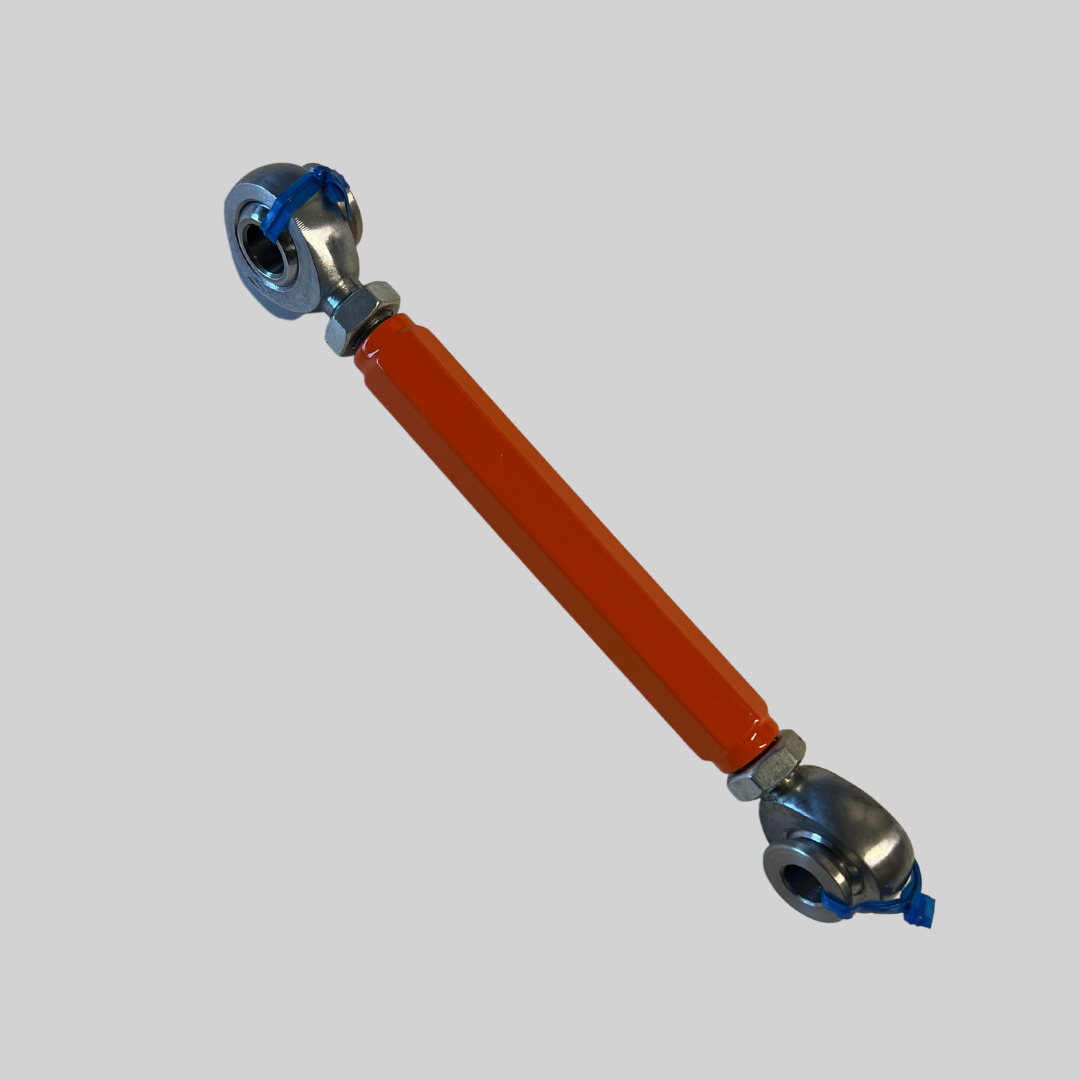
A manual belt tensioner replaces the factory spring-loaded mechanism with a fixed mechanical adjustment system. Instead of relying on a spring to maintain tension, the tension is set manually and locked into position.This creates a more stable belt drive system that does not fluctuate under heavy load.
The manual tensioner typically includes:
- A rigid mounting bracket
- A mechanical adjustment bolt
- Locking hardware to secure tension
Once the correct tension is set, the system maintains consistent pressure on the belt.This design eliminates several issues commonly associated with the factory automatic tensioner.
Key benefits of the manual system include:
- Stable belt tension under acceleration
- Reduced belt oscillation
- Improved supercharger efficiency
- Greater control during performance tuning
Because the tension remains constant, the supercharger receives a more consistent mechanical drive, which improves overall performance reliability.
How Belt Slip Reduces Supercharger Efficiency and Overall Engine Performance
The Eaton M45 supercharger operates using a fixed drive ratio between the crankshaft pulley and the supercharger pulley. This ratio determines how fast the supercharger spins relative to engine speed.When the belt slips, the supercharger cannot maintain the intended rotational speed.The process typically occurs in several stages.First, belt slip reduces the supercharger RPM. This leads to a drop in boost pressure. As boost pressure falls, the engine control unit attempts to compensate by adjusting fuel and ignition settings.This compensation can increase intake air temperatures and reduce combustion efficiency.
Over time, repeated belt slip can also cause additional mechanical issues, including:
- Pulley glazing
- Belt overheating
- Increased belt wear
- Loss of performance consistency
For vehicles with reduced supercharger pulleys, the problem becomes even more noticeable. Smaller pulleys increase the speed of the supercharger but also increase the load placed on the belt.Without proper tension control, the belt may struggle to maintain grip during peak torque conditions.
Mechanical Advantages of Using a Fixed Belt Tension System in Performance Builds
Switching to a manual belt tensioner provides several mechanical advantages that benefit performance builds.One of the most important improvements is consistent belt pressure. Because the tension does not fluctuate, the belt maintains a stable connection between the crankshaft and the supercharger.Another advantage is reduced belt oscillation. Automatic tensioners may bounce or flex under heavy acceleration, especially at high RPM. A fixed tension system eliminates this movement.Manual tensioners can also extend belt life when adjusted correctly. Although tighter tension might seem damaging, consistent pressure actually reduces friction caused by slip.For vehicles used in track environments, these benefits become even more valuable. Track sessions expose the belt system to intense heat and repeated high RPM loads.A fixed tension system helps maintain reliable performance throughout these demanding conditions.
- Consistent Boost Curve – A manual tensioner eliminates spring deflection, keeping the supercharger spinning at a steady speed. This ensures stable and predictable boost across all RPM ranges. Drivers experience smoother acceleration and consistent power delivery.
- Reduced Belt Oscillation – High-RPM acceleration often makes automatic tensioners bounce, causing micro-slips. A fixed manual tensioner prevents this movement, keeping the belt stable. This improves both efficiency and performance under load.
- Increased Belt Life (When Properly Set) – Consistent belt tension reduces friction caused by slip, preventing premature wear. Over time, this leads to longer belt and pulley life. Proper adjustment is key to maximizing durability.
- Track Reliability – Manual tensioners are unaffected by heat cycles, unlike spring-loaded systems that weaken under high temperatures. This ensures stable performance during extended track sessions. Drivers can rely on consistent boost and belt control under extreme conditions.
Installation Overview for Upgrading the R53 to a Manual Belt Tensioner
Installing a manual tensioner requires moderate mechanical experience and careful attention to detail. The installation process typically involves several steps.First, the accessory belt tension must be relieved so the belt can be removed safely. Once the belt is removed, the factory automatic tensioner assembly can be unbolted and removed from the engine.Next, the manual tensioner bracket is installed in the same mounting location.After securing the bracket, the belt is routed back around the pulleys according to the factory belt path.The final step involves adjusting the tension manually using the adjustment bolt.The adjustment must be precise. Too little tension will allow slip, while excessive tension can stress bearings and accessory components.For this reason, many experienced installers adjust the tension gradually and test the system under controlled driving conditions.
Installing a manual tensioner on the R53 involves:
- Relieving belt tension
- Removing the OEM automatic tensioner
- Installing the manual bracket assembly
- Reinstalling belt
- Setting tension manually
- Locking adjustment
How to Properly Set Belt Tension for Maximum Performance and Reliability
Unlike automatic tensioners, manual systems do not have a preset tension level. The correct tension must be determined during installation. A common procedure includes the following steps:
- Set the belt to a firm tension level – Start by manually adjusting the belt to a firm, yet not overly tight, position.
- Rotate the engine by hand – Turn the crankshaft to ensure the belt sits correctly within each pulley groove and runs smoothly.
- Verify alignment – Check that the belt tracks perfectly along all pulleys without twisting or misalignment.
- Perform a controlled test drive – Accelerate gently while observing for any belt noise, dust, or vibration.
- Make small incremental adjustments – If any noise, dust, or vibration occurs, fine-tune the tension in small steps until the system operates smoothly.
- Secure the adjustment bolt – Once the correct tension is achieved, lock the adjustment bolt in place to maintain consistent performance.
Common Mistakes to Avoid When Installing a Manual Belt Tensioner Upgrade
Several installation mistakes can reduce the effectiveness of a manual tensioner upgrade.One of the most common mistakes is over tightening the belt. Excessive tension can place unnecessary stress on bearings within the alternator, idler pulleys, and supercharger.Another common mistake is ignoring the condition of idler pulleys. Worn or noisy pulleys can cause vibration and reduce belt stability.Using low quality belts can also create problems. High-performance builds require belts designed to handle increased mechanical load.Finally, failing to verify pulley alignment can lead to artificial belt slip. Even a small misalignment can cause uneven belt wear and reduce system efficiency.Careful inspection and proper installation help ensure the upgrade performs as intended.
Supporting Belt System Upgrades That Improve Reliability for R53 Builds
When upgrading the belt tensioner, it is wise to evaluate other components in the belt drive system.Several supporting upgrades can further improve reliability.Upgraded idler pulleys provide smoother rotation and better durability under heavy loads.High quality performance belts can handle the increased tension and heat generated by performance builds.Replacing an aging harmonic damper can also improve belt stability.Additionally, regular supercharger maintenance helps ensure that the entire forced induction system operates efficiently.Because the belt drive system functions as a network of components, improving multiple parts at once often provides the best results.
Street Driving Versus Track Driving Considerations for Belt Tension Setup
The ideal belt tension setup may vary depending on how the vehicle is used. Here’s how to approach it for different driving styles:
Street-driven cars
- Focus on durability and long service intervals.
- Use slightly conservative tension settings to reduce wear on accessory components.
- Routine inspections are still recommended to ensure reliable operation.
Track-focused vehicles
- Require tighter belt tension to prevent slip during extended high-RPM sessions.
- High heat and repeated load cycles accelerate belt and pulley wear.
- More frequent inspections are essential to maintain optimal performance and prevent failures.
General recommendation
- Regardless of driving style, regular inspections help ensure the belt system continues to operate reliably.
- Proper setup and maintenance maximize both performance and longevity of the R53 supercharger belt system.
Long Term Reliability Strategy for High Performance R53 Supercharger Builds
Building a reliable high performance R53 involves more than installing individual upgrades. Instead, it requires a balanced approach that considers the entire mechanical system.A strong reliability strategy often includes several key elements.Reduced supercharger pulleys increase boost pressure and improve acceleration.Proper ECU tuning ensures that fuel and ignition settings match the new airflow conditions.A manual belt tensioner upgrade stabilizes the belt system and prevents slip.Improved cooling components help manage the increased heat produced by forced induction.Finally, regular belt inspections allow potential problems to be identified before they become serious failures.By focusing on the complete system, builders can achieve both performance and reliability.
- Reduced pulley
- Proper tune
- Manual tensioner
- Cooling strategy
- Regular belt inspection
Frequently Asked Questions
- What is a manual belt tensioner for the R53 MINI Cooper S?
A manual belt tensioner replaces the factory automatic spring-loaded tensioner with a fixed, adjustable system, providing consistent belt tension for reliable supercharger performance. - Why should I upgrade my R53 belt tensioner?
Upgrading prevents belt slip, stabilizes boost, improves throttle response, reduces belt wear, and ensures reliable performance during high-RPM or track driving. - Will a manual tensioner improve supercharger efficiency?
Yes. By maintaining consistent belt tension, the supercharger spins at the intended speed, providing stable boost and better overall efficiency. - How do I know if my automatic tensioner is failing?
Signs include belt chirping, visible belt dust, inconsistent boost, unusual pulley wear, or fluctuating supercharger performance under load. - Is a manual tensioner necessary for stock R53 vehicles?
Not usually. Stock vehicles with factory pulleys and mild driving typically do not experience belt slip. Manual tensioners are most beneficial for modified or high-performance builds. - Can I install a manual tensioner myself?
If you have moderate mechanical experience, yes. It involves removing the OEM tensioner, installing the manual bracket, and carefully adjusting belt tension. For precision, professional installation is recommended. - How do I set proper belt tension on a manual tensioner?
Adjust the belt to firm tension, rotate the engine by hand, check alignment, perform controlled test runs, and fine-tune until there is no slip or noise. Then lock the adjustment in place. - Will a manual tensioner increase belt life?
Yes. Consistent tension reduces micro-slip and friction, preventing premature wear on both the belt and pulleys when set correctly. - Can a manual tensioner handle track driving conditions?
Absolutely. Manual tensioners are not affected by heat cycles or high-RPM loads, making them reliable for extended track sessions. - Do I need other upgrades when installing a manual tensioner?
Supporting upgrades like high-grip performance belts, upgraded idler pulleys, and a fresh harmonic damper help maximize reliability and supercharger efficiency.
Conclusion
For MINI Cooper R53 owners who modify their vehicles for increased performance, the belt drive system becomes one of the most important mechanical components in the engine.The factory automatic tensioner works well for stock vehicles, but performance upgrades such as reduced pulleys and aggressive driving conditions place additional stress on the system.A manual belt tensioner upgrade provides a simple yet highly effective solution. By replacing the spring loaded mechanism with a fixed adjustment system, drivers gain greater control over belt tension and eliminate the fluctuations that lead to belt slip.The result is more consistent supercharger performance, improved boost stability, and greater mechanical reliability.While the upgrade may not be necessary for completely stock vehicles, it becomes a valuable improvement for enthusiasts who want predictable performance from their supercharged R53.If you are building a serious performance MINI Cooper S, controlling belt tension is a fundamental step toward maintaining reliable power delivery. Upgrade your R53 belt system today and experience stronger boost consistency, improved supercharger efficiency, and dependable performance every time you drive.