
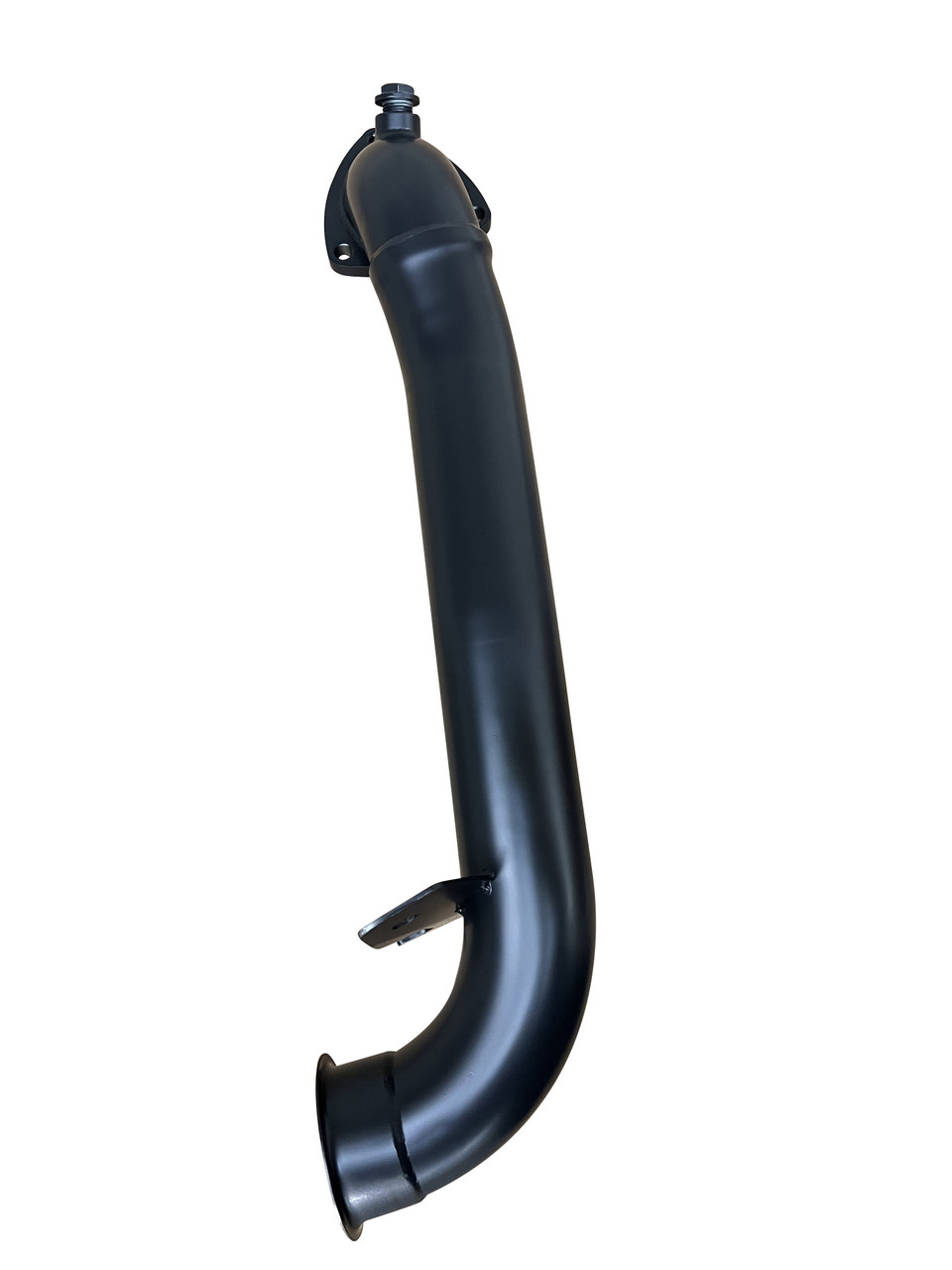
R56 MINI Heat Control Upgrade with SneedSpeed Ceramic Coated Downpipe
Posted by Mamta Sharma on 30th Mar 2026
Performance upgrades on turbocharged vehicles require careful heat management, especially on the R56 MINI platform. Exhaust components operate at extremely high temperatures, which directly affect turbo efficiency, engine bay conditions, and overall reliability. Understanding ceramic coated downpipe benefits for Heat & Turbo Performance helps drivers see how proper heat control improves power delivery and protects surrounding components. Unlike bare metal exhaust parts, ceramic coatings act as thermal barriers that regulate temperature, retain exhaust energy, and maintain consistent flow. This R56 MINI guide explains how ceramic coating improves durability, turbo response, and long-term performance while optimizing overall Heat & Turbo Performance. High-quality coated systems, such as those from SneedSpeed, are engineered to deliver both performance gains and advanced thermal protection.
Why Bare Metal Downpipes Increase Heat and Reduce Engine Efficiency
Standard stainless steel exhaust parts may look strong, but they release significant heat into the engine bay. This radiant heat spreads quickly to nearby components, affecting airflow, wiring, and intake temperatures. As heat builds up, engine efficiency drops and turbo performance becomes less consistent, directly impacting overall Heat & Turbo Performance. Understanding how bare metal behaves under extreme temperatures explains why thermal management upgrades are important. Without insulation, exhaust heat escapes instead of staying in the exhaust stream where it can support turbo performance.
- Higher Engine Bay Temperatures: Radiated heat spreads to nearby components, increasing overall engine bay temperature and stressing sensitive parts over time.
- Stress on Wiring and Hoses: Continuous heat exposure weakens rubber hoses and electrical wiring, reducing reliability and increasing maintenance needs.
- Reduced Air Density: Hot engine bays reduce incoming air density, limiting oxygen supply and decreasing combustion efficiency.
- Increased Intake Temperatures: Warmer intake air reduces power output and makes turbo performance less consistent during heavy driving.
How Ceramic Coating Creates a Thermal Barrier for Better Performance
Ceramic coating transforms how a downpipe handles heat by forming a protective thermal barrier around the metal surface. Instead of releasing heat outward, the coating keeps thermal energy inside the exhaust stream. This improves exhaust gas velocity and reduces heat transfer into surrounding components, which is why performance systems from SneedSpeed are designed with advanced thermal protection. The result is a cooler engine bay, more efficient turbo operation, and improved component longevity. Ceramic coating is not just a surface treatment it directly improves performance through heat control.
- Reduced Radiant Heat: Insulating properties keep heat inside the exhaust, preventing it from spreading into surrounding engine components.
- Improved Exhaust Velocity: Hotter exhaust gases move faster, improving flow efficiency and enhancing turbo responsiveness.
- Better Turbo Efficiency: Retained heat helps maintain strong turbine energy for faster and more consistent boost.
- Lower Engine Bay Temperatures: Cooler surrounding components improve reliability and protect performance systems from overheating.
- Enhanced Corrosion Resistance: Protective coating shields metal surfaces from moisture, oxidation, and long-term environmental damage.
Why Heat Retention Is Critical for Turbocharged MINI Performance
Turbocharged engines rely heavily on heat energy to generate boost. The turbine spins using high-temperature exhaust gases, so preserving that heat improves turbo performance. When heat escapes too quickly, energy is lost and spool time increases. Ceramic coating keeps heat concentrated where it is needed most inside the exhaust flow. This improves responsiveness, boosts consistency, and overall driving performance. For turbo MINIs, thermal efficiency directly affects how quickly and smoothly power is delivered.
- Faster Turbo Spool: Retained heat increases exhaust energy, helping the turbine spin faster during acceleration.
- More Consistent Boost Pressure: Stable exhaust temperatures support steady boost levels and smoother power delivery.
- Improved Tuning Stability: Controlled thermal conditions help maintain predictable air-fuel ratios and engine calibration.
- Greater Performance Reliability: Reduced temperature fluctuations help protect components during aggressive driving conditions.
Long-Term Durability Advantages of Ceramic Coated Downpipes
Beyond performance gains, ceramic coating significantly improves durability and longevity. Exhaust systems experience extreme temperature cycles, moisture exposure, and environmental stress. Over time, untreated metal can degrade, discolor, or corrode. Ceramic coatings act as a protective layer that shields the surface from damage. This makes coated downpipes more reliable for long-term use, especially in high-performance applications.
- Protection Against Corrosion: Sealed surfaces resist rust formation and environmental damage during daily driving or track use.
- Improved Surface Strength: Coating helps prevent metal fatigue caused by repeated heating and cooling cycles.
- Extended Component Lifespan: Reduced thermal stress helps performance parts last longer with fewer maintenance issues.
Frequently Asked Questions
- Does ceramic coating really improve turbo performance?
Yes, heat retention increases exhaust gas velocity, helping the turbo spool faster and maintain consistent boost. - Is ceramic coating only for appearance?
No, it is a functional upgrade that improves thermal efficiency, durability, and engine bay temperature control. - Will ceramic coating reduce engine bay heat?
Yes, it significantly reduces radiant heat, protecting nearby components and improving overall efficiency. - Does ceramic coating prevent rust?
Yes, it provides a protective barrier that reduces oxidation and corrosion over time. - Is ceramic coating worth it for daily driving?
Yes, it improves reliability, reduces heat stress, and enhances performance consistency in all driving conditions.
Conclusion
Ceramic coated downpipes deliver more than just visual appeal; they provide essential thermal control that improves turbo efficiency, protects engine components, and enhances long-term durability. By retaining heat inside the exhaust stream, they support faster spool, stable boost, and more reliable performance. For R56 MINI drivers seeking consistent power and improved heat management, ceramic coating is a practical and performance-focused upgrade. Upgrade your R56 MINI with a ceramic coated downpipe today and experience cooler engine temperatures, stronger turbo response, and long-lasting performance reliability.