
Signs Your B48 Head Gasket May Be Losing Clamp Force
Posted by Mamta Sharma on 27th May 2026
Most B48 Head Gasket Problems do not happen fast. The issue often starts as a small leak that gets worse over time. Many owners do not notice it until the engine runs rough or gets too hot. By then, deep engine damage may already be starting. The B48 engine is usually safe and reliable if you take care of it. Big leaks do not happen often with good service. Still, overheating or poor repair work can cause bad seals later. Using this Warning Signs Guide can help you spot early clues before fix costs get way too high.
What Causes a Head Gasket to Fail?
The head gasket sits between the engine block and cylinder head. Its main job is to seal several important systems inside the engine. When sealing integrity weakens, those systems can begin interacting in ways they should never do during normal operation. Failing to fix these bad seals early will lead to severe B48 Head Gasket Problems that ruin your motor. Proper gasket sealing is extremely important because turbocharged engines generate high combustion pressure and repeated heat cycles during everyday driving.
- Combustion Pressure: The gasket must contain extremely high combustion pressure created inside the cylinders during engine operation.
- Coolant Passages: Coolant passages move coolant between the engine block and cylinder head to control operating temperature.
- Oil Passages: Oil passages allow lubrication to flow properly throughout the engine while remaining separated from coolant and combustion gases.
- Overheating: Heat is one of the biggest causes of B48 Head Gasket Problems. Severe overheating can distort the cylinder head and reduce sealing pressure.
- Improper Installation: Incorrect torque procedures, poor surface preparation, or reused hardware can eventually create sealing failures.
Why Proper Clamp Force Matters
The head gasket itself does not create the engine seal alone. The gasket only works because the cylinder head hardware applies consistent clamping pressure across the sealing surfaces. Turbocharged B48 engines create high cylinder pressure, repeated heat cycles, and constant thermal expansion during operation. If clamp force weakens, sealing problems can eventually begin to appear. Checking a Warning Signs Guide can help you spot these issues early.
- Heat Expansion: The cylinder head and engine block constantly expand and contract as temperatures rise and fall.
- Thermal Cycling: Repeated heating and cooling slowly place stress on the gasket sealing surface over time.
- Reduced Clamp Load: Weak or reused hardware may no longer apply proper pressure across the gasket.
- Increased Cylinder Pressure: Higher boost pressure and tuning can increase stress on already weakened sealing systems.
- Long-Term Reliability: Proper clamp load helps improve sealing consistency and reduce future repair risks.
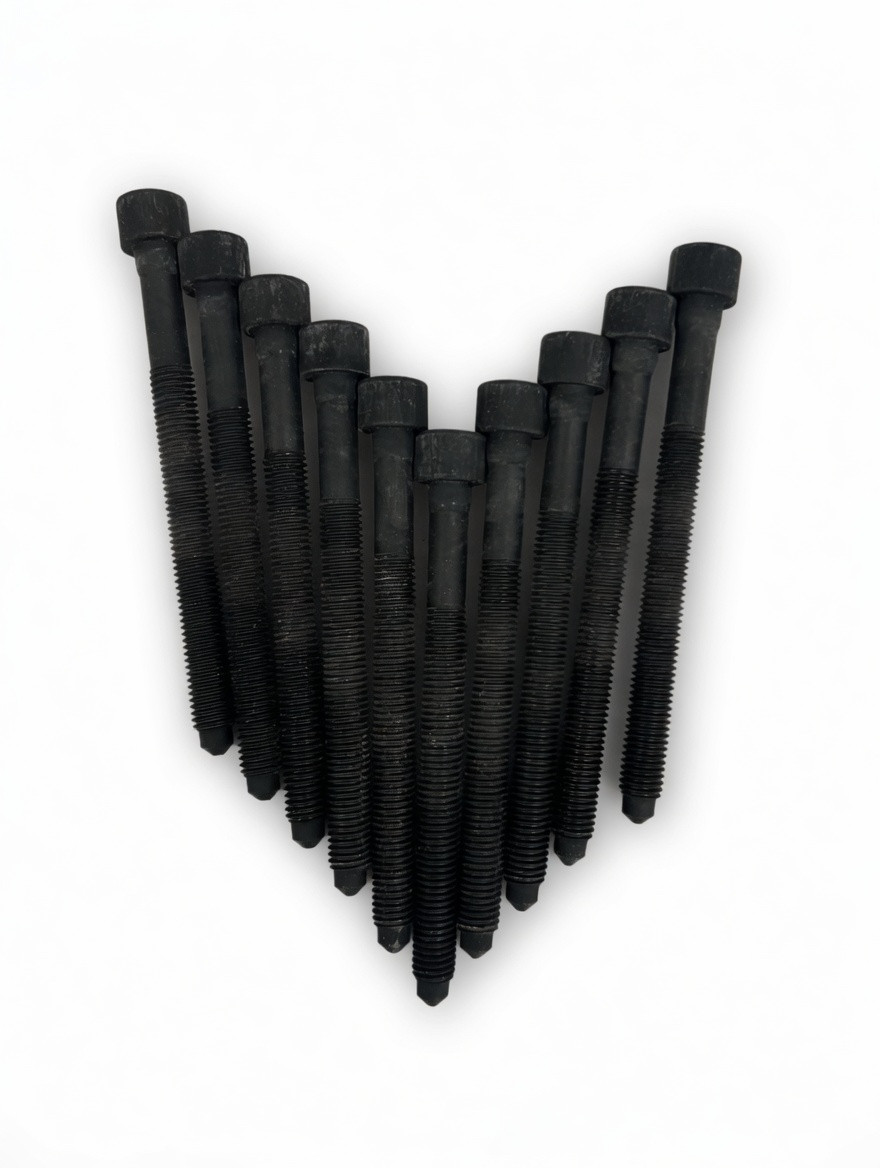
Reused Head Bolts Create Sealing Problems
The B48 engine platform uses torque-to-yield head bolts. These fasteners stretch during installation to create proper clamping force. Once stretched, they no longer provide the same level of sealing pressure if reused later, which can quickly lead to B48 Head Gasket Problems. Skipping new bolts is a huge mistake, and a good Warning Signs Guide will always tell you to use fresh hardware to avoid leaks.
- Reduced Clamping Force: Reused hardware may no longer maintain the same sealing pressure after previous installation cycles.
- Uneven Gasket Loading: Inconsistent clamp load can create weak sealing areas between the cylinder head and engine block.
- Increased Leak Risk: In many cases, sealing problems begin developing after reused hardware weakens the clamping force across the cylinder head surface.
- Greater Combustion Leakage: Weak clamp force may eventually allow combustion gases to escape around the gasket.
- Higher Risk of Failure: Many experienced builders replace torque-to-yield hardware during every cylinder head repair.
Symptom #1: Unexplained Coolant Loss
One of the earliest signs of B48 Head Gasket Problems is coolant loss without any visible external leak. Many owners notice coolant levels slowly dropping while no fluid appears underneath the vehicle.
- Frequent Coolant Warnings: Coolant level warning messages may appear more often during normal driving.
- Constant Topping Off: Drivers may repeatedly refill coolant without finding an obvious leak source.
- Coolant Entering Cylinders: Small internal leaks may allow coolant to slowly enter the combustion chamber.
- Slow Leak Development: Minor sealing failures can exist long before major symptoms become obvious.
- Early Detection Helps: Catching coolant loss early may help prevent larger engine damage later.
Symptom #2: White Exhaust Smoke
Coolant entering the engine can create steam that shoots out of the tailpipe. Heavy white smoke is a common clue that a seal is failing. When checking a Warning Signs Guide, you will find that drivers also smell a sweet scent from the exhaust while the car runs. If white smoke stays after the engine gets hot, you must check the cooling system right away.
- White Smoke From Exhaust: Continuous white smoke after warmup may indicate coolant entering the cylinders.
- Sweet Exhaust Smell: Burning coolant often creates a sweet odor from the exhaust system.
- Increased Exhaust Moisture: Excess moisture may appear from the tailpipe during operation.
- Cold Start Differences: Some condensation is normal during cold starts, but continuous white smoke is not.
- Internal Coolant Leakage: This symptom often points toward internal sealing problems inside the engine.
Symptom #3: Cooling System Pressure Buildup
Combustion gases can sometimes enter the cooling system when sealing pressure weakens. This often creates excessive pressure inside cooling system components. Many drivers first notice unusually hard radiator hoses or pressure buildup inside the coolant reservoir after normal driving. If combustion gases continue entering the cooling system, overheating problems, coolant loss, and major B48 Head Gasket Problems may eventually become much more serious.
- Hard Cooling Hoses: Cooling system hoses may feel unusually firm after driving.
- Expansion Tank Pressure: Excess pressure buildup may become noticeable inside the coolant reservoir.
- Overflow Problems: Coolant may push out through overflow systems during operation.
- Combustion Gas Intrusion: Many technicians perform combustion gas testing to diagnose this issue.
- Increased Cooling System Stress: Pressure buildup places additional stress on hoses and cooling components. A standard Warning Signs Guide will point to this stress as a top cause for early hose failure.
Symptom #4: Engine Misfires
As sealing problems continue worsening, engine performance may begin suffering. Many drivers first notice rough operation before identifying other cooling system issues or realizing they are facing major B48 Head Gasket Problems.
- Rough Idle: The engine may idle unevenly or feel unstable during operation.
- Random Misfire Codes: Diagnostic systems may trigger random cylinder misfire warnings.
- Cold Start Misfires: Misfires often become more noticeable during cold engine starts.
- Reduced Engine Performance: Loss of sealing pressure can affect smoothness and power delivery.
- Combustion Chamber Contamination: Coolant inside the cylinders may contribute to ignition problems.
Symptom #5: Engine Overheating
A failing gasket can eventually create overheating problems through several different causes. Unfortunately, overheating often creates even more sealing damage once the cycle begins. If the engine continues operating at high temperatures, the cylinder head and gasket sealing surfaces can become permanently damaged, leading to catastrophic B48 Head Gasket Problems.
- Coolant Loss: Reduced coolant levels slowly decrease cooling system efficiency.
- Air Pockets: Internal leaks may create trapped air inside the cooling system.
- Combustion Gas Contamination: Combustion gases inside the cooling system reduce cooling effectiveness.
- Reduced Cooling Performance: The cooling system may struggle to maintain normal operating temperature.
- Escalating Damage: Overheating often accelerates additional gasket damage over time.
Symptom #6: Oil Contamination
Severe sealing failures can sometimes allow oil and coolant to mix together. Although this is less common on the B48 platform, it remains one of the more serious warning signs of gasket failure.
- Milky Oil Appearance: Oil may develop a milky appearance when coolant contamination occurs.
- Foam Under Oil Cap: Moisture buildup may appear underneath the oil filler cap.
- Discolored Coolant: Coolant contamination can sometimes affect coolant appearance and consistency.
- Elevated Oil Levels: Oil levels may appear unusually high if coolant enters the lubrication system.
- Immediate Repairs Needed: At this stage, repairs should be performed quickly to avoid major engine damage.
Diagnosing the Problem
Professional diagnosis usually includes several different tests designed to identify sealing problems and cooling system contamination. Proper testing helps confirm whether the issue is truly related to B48 Head Gasket Problems or connected to another engine problem. Early diagnosis can help prevent severe engine damage and reduce the overall cost of repairs. Many technicians also inspect coolant pressure, combustion gases, and cylinder compression to identify sealing failures more accurately.
- Cooling System Pressure Testing: Technicians test the cooling system for leaks and pressure loss.
- Compression Testing: Compression tests help identify sealing problems inside individual cylinders.
- Leak-Down Testing: Leak-down tests measure how well cylinders maintain pressure.
- Combustion Gas Testing: Special tests can identify combustion gases inside the cooling system.
- Borescope Inspection: Internal inspections help technicians find coolant leaks inside cylinders. Mechanics often use a Warning Signs Guide to match these visual clues with early engine symptoms.
Prevention Is Cheaper Than Repair
The best way to avoid expensive repairs is by preventing sealing problems before they begin. Following a proper Warning Signs Guide helps you spot early issues, but quality parts and fresh hardware play the most important role in keeping the engine reliable. Careful assembly and correct torque choices are the top ways to stop future B48 Head Gasket Problems before they cause major damage.
- Install New Head Gaskets: Fresh gaskets should always be installed during cylinder head repairs.
- Replace Torque-To-Yield Hardware: New head bolts help maintain proper clamp load and sealing pressure.
- Follow Correct Torque Procedures: Proper installation helps ensure even gasket loading across the cylinder head.
- Verify Surface Flatness: Cylinder head and engine block surfaces should always be inspected carefully.
- Use Quality Components: High-quality replacement parts help improve long-term sealing reliability.
Frequently Asked Questions
- What are the first signs of B48 Head Gasket Problems?
Coolant loss, white exhaust smoke, rough idle, and pressure buildup inside the cooling system are some of the earliest warning signs. - Can overheating damage the B48 head gasket?
Yes. Severe overheating can warp the cylinder head and reduce proper gasket sealing pressure over time. - Why should B48 head bolts not be reused?
Factory torque-to-yield bolts stretch during installation and may no longer maintain proper clamp force after removal. - Can a failing head gasket cause engine misfires?
Yes. Coolant entering the combustion chamber can create rough idle, cold-start misfires, and reduced engine performance. - What tests help diagnose head gasket sealing problems?
Technicians commonly use cooling system pressure testing, compression testing, leak-down testing, and combustion gas testing as part of a proper Warning Signs Guide inspection process.
Conclusion
Most sealing failures develop gradually over time rather than appearing suddenly. Overheating, weak clamp force, reused hardware, and improper installation procedures can all increase the risk of long-term engine sealing problems. Identifying early symptoms quickly can help prevent severe engine damage and expensive repair costs later. If you are rebuilding or repairing your B48 engine, shop now for high-quality replacement hardware or contact SneedSpeed today for reliable performance components designed to support long-term engine reliability.