
Why Head Gaskets Fail on MINI N14 and N18 Engines
Posted by Mamta Sharma on 20th May 2026
A blown head gasket is a huge nightmare for any MINI owner. The N14 and N18 turbo engines make great power, but they run way too hot. All that heat and pressure ruins the factory seals over time. A tiny leak can quickly turn into a ruined motor and a massive repair bill. To prevent a total N14 N18 Head Gasket Failure, you need to fix your cooling system and buy better head bolts if you run more boost.
Common Causes of N14 N18 Head Gasket Failure
Many things can cause an N14 N18 Head Gasket Failure over time. High heat, lots of pressure, old parts, and bad care all hurt the engine seal. When the top part of the engine gets loose, gas and water leak out. This is why builders watch the cooling system so closely. They also check the bolts on fast MINI cars to keep everything safe.
- Overheating: This is a top cause of N14 N18 Head Gasket Failure. Too much heat can ruin the engine seal very fast.
- More Cylinder Pressure: Turbo cars push hard inside the engine. Higher boost puts too much stress on the gaskets and bolts.
- Aging Engine Components: Older engines experience years of repeated heat cycles. This slowly weakens gaskets and reduces sealing consistency.
- Cooling System Leaks: Coolant leaks can lower system pressure and raise engine temperatures. Even small leaks may create serious overheating problems.
- Aggressive Engine Tuning: Performance tuning without proper supporting upgrades can increase cylinder pressure beyond safe limits.
How Overheating Damages MINI Engine Sealing
Heat is a huge enemy of any turbo MINI engine. The N14 and N18 models get very hot. This is true when you drive fast or use extra boost. If the coolant stops moving, the engine heat rises too high. Then, the flat metal parts can warp and bend. Once that happens, an N14 N18 Head Gasket Failure is much easier to get. Many builders install MINI Upgraded Head Studs during repairs. These parts give a stronger clamp to help keep the seal tight under high heat.
- Thermostat Housing Problems: Cracked thermostat housings are extremely common on MINI turbo engines. Coolant loss from these leaks often leads to overheating.
- Water Pump Failure: A failing water pump reduces coolant circulation throughout the engine. Poor coolant flow allows temperatures to rise quickly.
- Expansion Tank Cracks: Expansion tanks can crack over time and slowly lose coolant pressure. This increases overheating risk significantly.
- Cooling Fan Issues: Faulty cooling fans may prevent proper airflow through the radiator. This becomes dangerous in traffic or hot weather.
- Coolant Crossover Pipe Leaks: Damaged pipes can leak coolant when under pressure. This causes engine heat to rise fast.
Why Turbocharged Engines Create More Sealing Stress
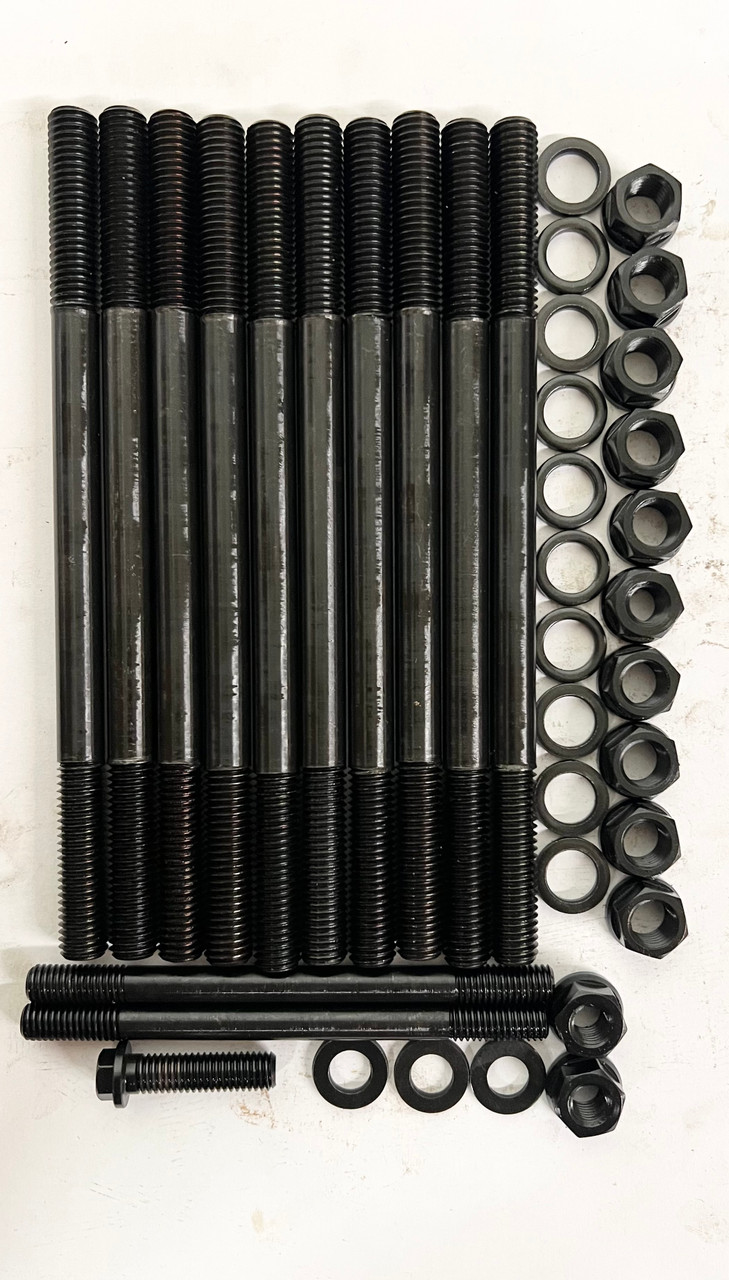
Turbo engines put a lot of stress on engine seals. When you add more boost, the pressure inside the engine goes way up. This heavy force pushes hard against the top of the engine and the gasket. Stock parts work fine for normal power, but more boost requires stronger parts. This is why builders install MINI Upgraded Head Studs on fast N14 and N18 engines.
- ECU Tuning: Performance tuning raises boost pressure and combustion force. This places more stress on gasket sealing surfaces.
- Bigger Turbochargers: Upgraded turbos force a massive amount of extra air into the engine. This heavily bumps up the pressure inside the cylinders.
- Aggressive Driving: Smashing the gas pedal and heavy-load driving make engine heat skyrocket. This rapid temperature spike puts intense stress on every single seal.
- Track Use: Racing on a track forces your motor to run at super high RPMs for a long time. That constant, extreme heat is brutal on your head gasket.
- High Boost Levels: This one is simple math: the more boost pressure you run, the harder your sealing hardware has to work to keep the engine from blowing apart.
Early Signs of N14 N18 Head Gasket Failure
Most seal problems start slow. They do not just turn into a total engine wreck overnight. If you catch the warning signs early, you can stop a total N14 N18 Head Gasket Failure before it happens. This saves you from a massive repair bill. You just have to know what to look for. Keep a close eye on your dashboard temp gauge, look for low fluid, and notice if the car feels sluggish.
- Losing Coolant: If your fluid drops but you don't see a puddle, your engine is likely burning it. This is usually the first sign of trouble.
- White Exhaust Smoke: Coolant leaking into the engine burns up and creates thick white smoke. If your tailpipe looks like a smoke machine, you have a leak.
- Engine Overheating: If your car runs hot on a regular basis, pull over. High heat means your cooling system or your gasket is failing fast.
- Engine Misfires: When a seal breaks, vital air and fuel escape. This causes the engine to shake, sputter, and run rough when you drive.
- Low Compression: A leaky gasket lets power escape from the cylinders. Your MINI will lose its punch and feel totally lazy when you hit the gas.
How MINI Upgraded Head Studs Improve Reliability
Factory torque-to-yield bolts work well for normal driving conditions, but performance engines often require stronger fastening hardware. MINI Upgraded Head Studs provide more consistent clamping force compared to stock bolts. This helps maintain better gasket sealing under elevated heat and cylinder pressure. Many builders install upgraded hardware during engine rebuilds because improved clamping force helps reduce the risk of future sealing failures.
- Better Clamping Force: Stronger bolts keep a tight grip on the engine. They hold a steady, even pressure right across the cylinder head.
- Better Heat Resistance: Good hardware handles hot and cold cycles like a champ. They do a much better job than cheap factory bolts.
- Less Head Lift: Extra clamping force stops the cylinder head from moving. This keeps everything in place when you run a heavy boost.
- Long-Term Reliability: A steady seal means your motor lasts longer. It gives you peace of mind and keeps the engine running strong for years.
- Great for Engine Rebuilds: Put in MINI Upgraded Head Studs while the engine is already apart. Trust me, it is way easier than tearing the whole motor open again later.
How Age and Heat Cycles Affect Engine Sealing
Older engines have a tough time. The constant change from hot to cold slowly ruins the seals. Gaskets get hard and brittle. Metal surfaces wear down unevenly, too. Even the factory bolts start to lose their tight grip after a while. Think about it: every single time your motor warms up and cools down, the metal parts stretch and shrink. This non-stop movement is brutal on rubber seals. Because of this harsh cycle, older N14 and N18 engines leak much faster. That is why you have to stay on top of your car care as the miles pile up.
- Gaskets Become Brittle: Heat exposure gradually weakens gasket materials and reduces sealing flexibility over time.
- Fasteners Lose Consistency: Repeated expansion and contraction slowly affect factory bolt clamping performance.
- Cylinder Head Wear: Sealing surfaces experience wear after years of engine operation and heat exposure.
- Cooling Systems Age: Older cooling components become more likely to fail and create overheating problems.
- Higher Mileage Stress: High-mileage engines naturally face greater long-term sealing challenges and repair risks.
Preventing N14 N18 Head Gasket Failure
Fixing things early is always cheaper than a ruined engine. Checking your cooling system, tuning carefully, and using stronger parts all stop future leaks. Many owners choose MINI Upgraded Head Studs when they rebuild their engines. Improving your sealing system early is the best way to get long-term reliability.
- Maintain the Cooling System: Regularly inspect hoses, pumps, and coolant levels to help prevent overheating issues.
- Avoid Excessive Engine Heat: Address rising temperatures immediately before serious sealing damage occurs.
- Use Quality Gaskets: High-quality gasket materials improve durability under heat and pressure.
- Install Stronger Fasteners: Many builders use MINI Upgraded Head Studs to improve sealing strength and reliability.
- Monitor Engine Performance: Watch for coolant loss, smoke, or overheating before problems become severe.
Frequently Asked Questions
- What is the most common cause of N14 N18 Head Gasket Failure?
Overheating is the leading cause. High temperatures weaken gasket sealing surfaces and damage engine components. - Can turbo upgrades increase the risk of gasket problems?
Yes. Larger turbos and higher boost levels increase cylinder pressure and place more stress on the sealing system. - Are MINI Upgraded Head Studs worth installing?
Many builders install MINI Upgraded Head Studs because they improve clamping force and long-term sealing reliability. - What are early warning signs of head gasket failure?
Common symptoms include coolant loss, overheating, white smoke, misfires, and low compression. - Can stock MINI engines develop head gasket problems?
Yes. Age, heat cycles, and cooling system failures can eventually lead to N14 N18 Head Gasket Failure even on stock engines.
Conclusion
Head gasket problems rarely happen without warning signs. Most seal failures happen slowly. They develop over years of heat, pressure, and engine stress. Finding these warning signs early helps protect your MINI. It stops serious engine damage and saves you from big repair bills. Keeping your cooling system fresh is a smart move. Using stronger parts also helps your engine last much longer. Are you planning a rebuild? Do you want a more reliable turbo MINI? Now is the perfect time to upgrade your ride. Shop premium MINI performance parts at SneedSpeed today to keep your engine running strong!