
Torque-To-Yield Bolts Explained: Elastic Stretch, Yield Point, and One-Time Use
Posted by Mamta Sharma on 23rd Jul 2026
A torque-to-yield bolt is designed to be tightened to a controlled stretch condition near or beyond its yield point. The goal is consistent clamp load consistency across a joint such as a cylinder head, main cap, rod cap, or crankshaft fastener. Fasteners create clamp load by stretching. In the elastic range, the bolt behaves like a spring and returns close to its original length when loosened. Some builders refer to these as elastic stretch bolts because the fastener still operates within its reusable spring-like range. Past the yield point, the bolt enters a plastic stretch, where some stretch becomes permanent. At this stage, the fastener behaves more like one of the plastic stretch bolts commonly used in modern engine assembly. TTY fasteners use this behavior intentionally. Instead of relying only on torque, which is heavily affected by friction, many procedures use torque-plus-angle. These are often called torque plus angle bolts because the tightening method combines a torque specification with a measured rotation angle. The first torque step seats the joint. The angle step then rotates the fastener a known amount to create a more predictable stretch. This is why many TTY bolts are one-time-use. Once the bolt has been permanently stretched, reusing it can produce uncertain clamp load and higher failure risk. Many torque to yield head bolts are treated as one time use head bolts because their stretch characteristics change after installation.
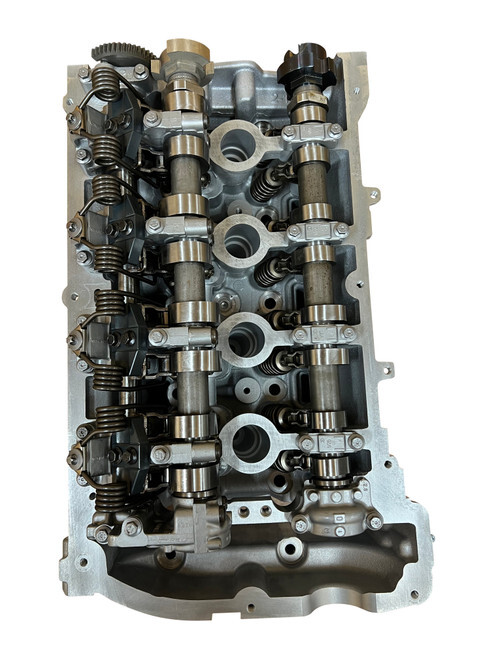
How Torque-To-Yield Bolts Work in Real Applications
-
Elastic Stretch: Elastic stretch is the reusable spring-like range of the fastener. The bolt stretches under load and returns when loosened. This is the stage often associated with elastic stretch bolts, where the material still behaves predictably within its elastic limit. If ignored, the builder may misunderstand why tightening creates clamp load.
-
Plastic Stretch: Plastic stretch is permanent stretch after the fastener passes its yield point. This is where plastic stretch bolts behavior becomes important, because the bolt no longer fully returns to its original length. If ignored, a reused TTY bolt may not clamp the joint the way the procedure expects.
-
Torque-Plus-Angle: Torque-plus-angle reduces dependence on friction alone. The torque step seats the joint, and the angle step controls rotation and stretch. This method is also referred to as torque plus angle bolts, where controlled rotation ensures more consistent fastener stretch. If ignored, guessing the angle can create too little or too much clamp load.
-
OEM Use: OEMs use TTY bolts because they can provide consistent clamp load in production and service when the procedure is followed. This is a key reason behind why OEMs use torque to yield bolts, as it improves repeatability across mass assembly processes. If ignored, the fastener system may be judged by habit instead of engineering.
Common Failures in Torque-To-Yield Bolt Systems
-
Loss of Clamp Load: A reused or improperly tightened TTY bolt may not create the intended clamp load. This directly impacts clamp load consistency, which is critical for engine sealing and joint stability.
-
Permanent Overstretch: If the bolt is stretched beyond its intended range, it may weaken or fail. This is a common risk when yield point fasteners are pushed past their designed deformation limit.
-
Head Gasket Sealing Issues: Cylinder head joints depend on correct clamp load. TTY misuse can contribute to gasket leakage, especially when torque to yield head bolts are reused or not tightened through the proper procedure.
-
Thread or Joint Damage: Wrong tightening practices can damage threads, distort parts, or overload the joint, leading to long-term mechanical instability and unpredictable fastener behavior.
Common Mistakes When Working With Torque-To-Yield Bolts
-
Treating TTY Bolts Like Normal Reusable Bolts: Many TTY bolts are intended for one-time use. Reusing them can create unpredictable results, especially when dealing with one time use head bolts that rely on controlled stretch for proper clamp load.
-
Skipping the Angle Step: The angle step is part of the engineered stretch process used in torque plus angle bolts procedures. Skipping it directly affects fastener stretch accuracy and joint stability.
-
Guessing the Angle: Angle should be measured, not guessed by feel. Improper estimation can disrupt the behavior of yield point fasteners, leading to inconsistent clamp load.
-
Replacing Specs With Habit: Do not invent torque specs or substitute a different method because it seems close. This can compromise clamp load consistency across the joint.
-
Ignoring Lubrication Instructions: Friction changes clamp load. Follow the specified lubricant and procedure, especially when working with torque-to-yield bolts explained in factory service instructions.
Shop & Race Lessons
-
Shop Lesson: TTY Is a System: A TTY bolt is not just a bolt with a different tightening number. It is part of a joint design that expects controlled stretch. This is why torque-to-yield bolts explained properly must always be viewed as a complete fastening system, not a standalone part.
The lesson: follow the procedure and replacement rules.
-
Shop Lesson: Reuse Creates Doubt: When a reused TTY bolt causes a sealing issue, the shop may not know whether the bolt produced the intended clamp load. This directly affects clamp load consistency, making diagnostics and repairs uncertain.
The lesson: predictable repairs use predictable fasteners.
-
Race Lesson: Consistency Matters: Race engines punish inconsistent clamp load with heat, pressure, and vibration. In high-performance builds, why OEMs use torque to yield bolts becomes clear—because repeatable clamp force is critical under stress.
The lesson: use fasteners and procedures that make clamp load repeatable.
Frequently Asked Questions
- What does torque-to-yield mean?
It means the bolt is tightened to a stretch condition near or beyond its yield point - Are TTY bolts reusable?
Many are not. Follow the engine manufacturer's service information and fastener instructions. This is a core part of understanding what are torque to yield bolts in real applications. - Why do TTY bolts use torque plus angle?
Angle helps control fastener stretch more consistently than torque alone. This is why torque plus angle bolts methods are widely used in OEM engine assembly. - What is elastic stretch?
Elastic stretch is spring-like stretch that mostly returns when the fastener is loosened. These are often referred to as elastic stretch bolts in engineering contexts. - What is plastic stretch?
Plastic stretch is permanent stretch after the fastener passes yield. This behavior defines plastic stretch bolts, where deformation is not fully reversible. - Why do OEMs use TTY bolts?
They can provide consistent clamp load when installed with the correct procedure. This relates directly to why OEMs use torque to yield bolts, especially in mass production engines. - Can TTY bolts cause head gasket failure?
Incorrectly reused or installed fasteners can contribute to weak clamp load and sealing problems. - Can I replace TTY bolts with studs?
Sometimes, but the decision depends on the engine, joint design, and fastener manufacturer's instructions.
In the Shop – Real-World Fastener Use Cases
Products support the lesson. They do not become the lesson.
-
If You're Doing a Stock Repair
What matters is following the factory service method and replacing one-time-use bolts when required. The correct one time use head bolts must always be used when specified by the manufacturer.
The product that makes sense is the correct replacement fastener set for the application.
-
If You're Building for More Cylinder Pressure
What matters is clamp load stability and repeatability. High-load applications depend heavily on clamp load consistency, especially when upgrading from factory fasteners. Studs or upgraded fasteners may make sense after the builder understands why the joint needs more margin.
-
If You're Unsure About Reuse
What matters is risk. A questionable TTY bolt makes clamp load uncertain and can affect yield point fasteners performance in critical joints. The safer repair decision is to follow service information and use new fasteners where required.