
Why Head Gaskets Fail SneedSpeed Tech School Export
Posted by Mamta Sharma on 22nd Jul 2026
A head gasket seals combustion pressure, coolant, and oil between the cylinder head and engine block, but why head gaskets fail often comes down to problems elsewhere in the sealing system. The gasket is usually the visible failure, but the root cause may be detonation, overheating, poor surface finish, warped parts, weak clamp load, head lift, wrong gasket choice, cooling-system problems, or incorrect assembly. SneedSpeed recommends diagnosing the complete sealing system before replacing components to help prevent repeat failures.
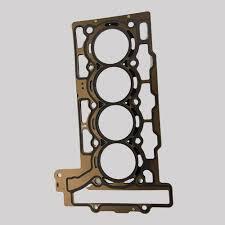
Combustion pressure tries to lift the head away from the block. Clamp load from bolts or studs holds the joint together. If pressure, heat, or movement overwhelms that clamp load, the gasket can leak or be damaged. The right question is not only "which gasket failed?" The better question is "why did the sealing system stop holding?"
How Head Gaskets Seal Under Combustion Pressure
- Combustion Pressure Pushes Up
Every firing event tries to separate the head from the block.
If ignored, high pressure can lift the head and damage the gasket. - Clamp Load Holds the Joint
Fasteners stretch to squeeze the head, gasket, and block together.
If ignored, weak or uneven clamp load can let the gasket move. - Heat Changes the System
Overheating can distort parts, change material behavior, and stress the gasket.
If ignored, a new gasket can fail again. - Surface Finish and Flatness Matter
The gasket needs the right surface condition to seal.
If ignored, combustion, coolant, or oil can leak even with good fasteners.
Common Causes of Head Gasket Failure
- Head Lift
Cylinder pressure overcomes clamp load and allows the head to move. - Detonation Damage
Abnormal combustion creates pressure spikes that can damage the gasket. - Overheating
Heat can warp parts and weaken sealing. - Poor Surface Finish
The gasket cannot seal correctly against the wrong surface texture or damage. - Wrong Gasket Choice
The gasket design must match the engine, surface finish, and use case. - Cooling System Problems
Cooling problems can cause repeat gasket failure even after replacement.
Common Head Gasket Diagnosis and Repair Mistakes
- Blaming Only the Gasket
The gasket may be the failed part, not the root cause. - Ignoring Detonation
Fasteners and gaskets cannot fix a bad tune or abnormal combustion. - Skipping Flatness Checks
Warped heads or decks can defeat a new gasket. - Reusing Questionable Fasteners
Weak or improperly reused fasteners can reduce clamp load. - Ignoring Cooling Problems
Overheating must be fixed before the gasket repair is trusted.
Shop & Race Lessons
- Shop Lesson: Find the Cause Before the Gasket Goes Back On
A replacement gasket will not fix detonation, overheating, poor surface finish, or weak clamp load.
The lesson: head gasket repair starts with root-cause diagnosis. - Shop Lesson: Witness Marks Matter
Gasket marks can show where combustion leaked, where clamp load was weak, or where parts moved.
The lesson: failed parts are evidence. - Race Lesson: Pressure Changes the Rules
Boost, nitrous, and high compression increase cylinder pressure.
The lesson: race sealing needs a full strategy: gasket, fasteners, surfaces, tune, and cooling.
In the Shop
Products support the lesson. They do not become the lesson.
- If the Engine Overheated
What matters is finding why. Cooling system repair and surface inspection come before trusting a gasket replacement.
Head gasket products make sense only after the root cause is addressed. - If the Engine Is Boosted
What matters is cylinder pressure and combustion control.
Head studs and appropriate gasket choices may make sense when the engine needs more sealing margin. - If the Gasket Failed Again
What matters is what was missed: tune, heat, surfaces, fasteners, or cooling.
The repair decision should address the system, not only the gasket.
Further Reading
Sealing
- SneedSpeed Tech School: Head Bolt vs Head Stud
- SneedSpeed Tech School: Fastener Stretch Explained
- SneedSpeed Tech School: Torque Angle for Fasteners Explained
Engine Building
- SneedSpeed Tech School: Detonation and Head Lift
- SneedSpeed Tech School: Surface Finish for Head Gasket Sealing
Related Products
- Head gaskets may be relevant after surface, cooling, and combustion issues are addressed.
- Head stud kits may be relevant for boosted or high-load engines that need clamp stability.
Frequently Asked Questions
- Why do head gaskets fail?
Why head gaskets fail usually comes down to loss of sealing caused by excessive combustion pressure, heat, weak clamp load, or engine conditions that overwhelm the sealing system. - Can detonation cause a blown head gasket?
Yes. Detonation head gasket failure occurs when abnormal combustion creates pressure spikes that can lift the cylinder head, damage the gasket, and reduce sealing performance. - Can overheating damage a head gasket?
Yes. Overheating head gasket problems can warp the cylinder head or engine block, reducing sealing integrity and increasing the risk of coolant, oil, or combustion leaks. - Do head studs prevent head gasket failure?
Head studs can improve sealing stability because head stud head gasket sealing provides more consistent clamp load, but they cannot correct detonation, overheating, poor machining, or incorrect gasket selection. - Can weak clamp load cause a head gasket to fail?
Yes. Weak clamp load head gasket issues can allow the cylinder head to move under combustion pressure, increasing the risk of gasket leakage and long-term engine damage.
Conclusion
A failed head gasket is usually the result of a larger sealing-system problem, not the problem itself. Combustion pressure, clamp load, heat, surface finish, cooling system condition, and engine tuning all work together to determine whether the gasket can maintain a reliable seal. Identifying and correcting the root cause before reassembly helps prevent repeat failures and improves long-term engine reliability. For dependable engine sealing, trust the complete system—not just the gasket. Explore SneedSpeed head gaskets, head stud kits, and engine sealing components to build a stronger, more reliable sealing system for your next repair or performance build.