
Best Oil System Parts for N14 Forged Engine Builds
Posted by Mamta Sharma on 24th Sep 2026
When upgrading a MINI Cooper R56 or R55–R59 N14 engine with forged pistons and performance rods, supporting the rotating assembly with the right oiling infrastructure is critical. Installing high-strength internal components without upgrading or refreshing the oiling system risks oil starvation, rapid bearing wear, and turbocharger failure under boost. On the turbocharged Prince N14 platform, the N14 oil pump does more than lubricate journal bearings; it supplies hydraulic volume to the timing chain tensioner and feeds critical oil lines to the turbocharger cartridge. Building a reliable forged N14 engine requires matching high-load internals with an oiling system designed to maintain pressure under high heat and heavy g-forces.
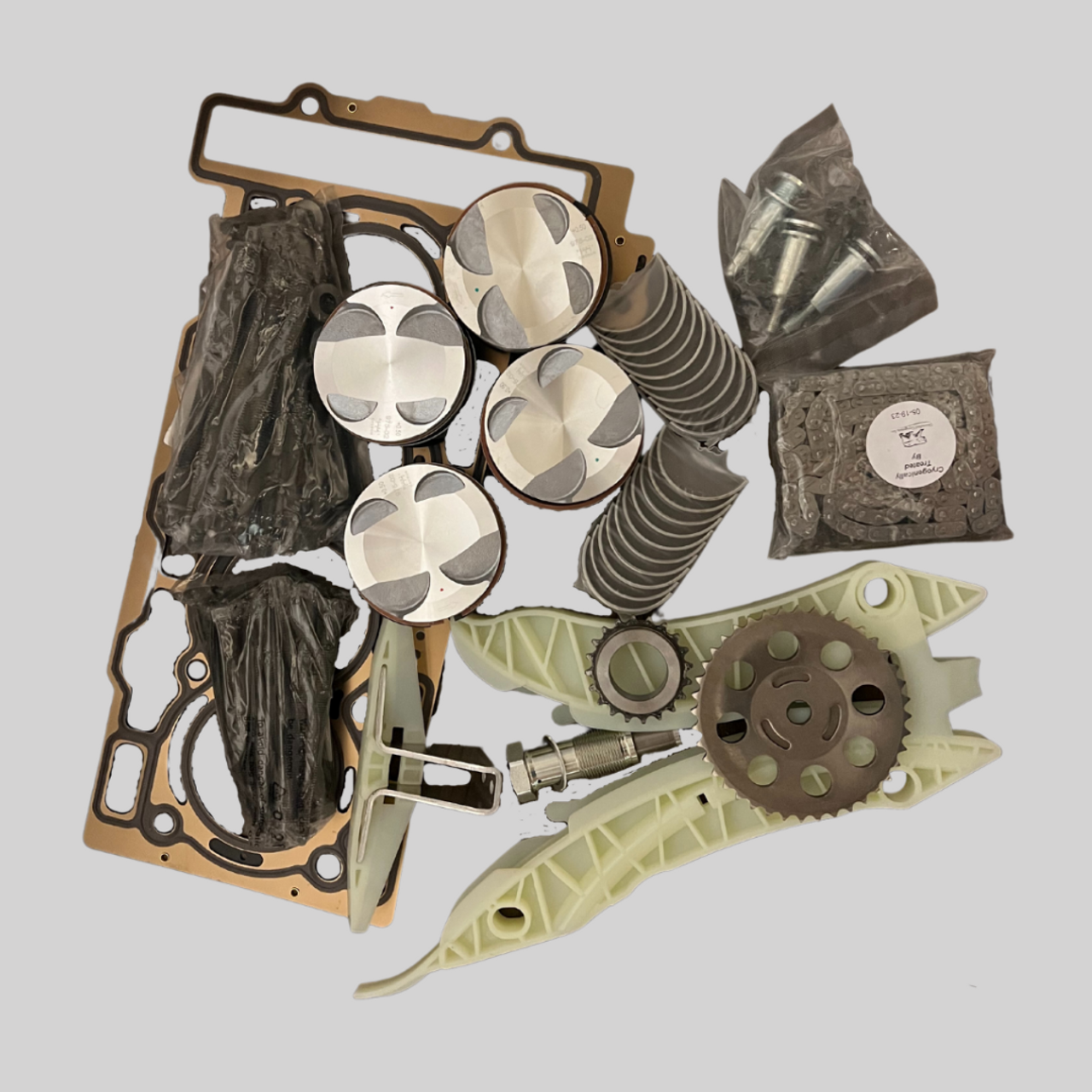
Why Oiling System Upgrades Are Vital for Forged N14 Builds
Forged pistons and heavy-duty connecting rods allow the N14 engine to make significantly more power and handle higher boost levels. However, higher cylinder pressures and increased thermal loads put immense stress on the lubrication layer.
- Hydrodynamic Film Retention: High cylinder pressure pushes harder on the rod and main journal bearings, requiring clean, unaerated oil film to prevent metal-to-metal contact.
- Hydraulic Timing Tensioner Supply: Stable oil pressure ensures the hydraulic timing chain tensioner maintains proper chain tension, preventing chain slap and timing guide breakage.
- Turbocharger Cooling & Lubrication: Upgraded turbochargers require consistent oil volume and pressure to keep shaft bearings lubricated under extreme heat.
- Thermal Heat Management: Oil acts as a secondary coolant for piston crowns and cylinder walls; maintaining oil flow prevents pre-ignition and piston scuffing.
Key Oil System Components for a Forged Engine Build
A robust oiling strategy pairs essential oil-delivery hardware with performance engine components to ensure long-term engine survival.
1. New or High-Volume Oil Pump
Reusing an old oil pump on a fresh, high-dollar forged build introduces unnecessary risk. Fine debris or metal fragments from previous wear can score internal pump rotors, causing oil pressure drops when the oil reaches high operating temperatures.
2. Upgraded Engine Bearings
Pair your forged rotating assembly with high-performance main and rod bearings featuring hardened backings and optimal clearances to maintain continuous hydrodynamic oil film strength under track conditions.
3. Baffled Oil Pan or Pickup Modifications
Under hard cornering, braking, or acceleration, oil sloshes away from the pickup tube in the factory oil pan. Adding pan baffles keeps oil concentrated around the pickup screen to prevent momentary oil starvation.
4. Fresh Turbo Oil Feed & Return Lines
Old turbo oil lines can accumulate carbon buildup and restrict oil flow. Replacing these lines ensures unobstructed delivery to the turbocharger center cartridge.
Systematic Assembly & Inspection Workflow
Before final assembly of your forged N14 build, follow a detailed inspection process across the oil path:
- Clean Oil Passages: Thoroughly flush all main oil galleries in the engine block to eliminate metal shavings, grit, or machining debris.
- Inspect Pickup Tube & Screen: Ensure the pickup screen is completely free of debris and sits at the correct depth relative to the oil pan bottom.
- Check Bearing Clearances: Use precise measuring tools to confirm main and rod bearing clearances align with your build goals and oil viscosity choice.
- Pre-Prime the Oiling System: Electrically or manually prime the oil pump and galleries before initial engine startup to prevent dry bearing wear.
Integrating Your N14 Forged Build Parts List
Coordinate your oiling upgrades alongside these essential platform components for a balanced engine package:
- Engine Overhaul Bundles: Combine lower-end bearings, gaskets, and pistons with an N14 rebuild kit.
- High-Strength Fasteners: Ensure secure clamping force across high cylinder pressures using N14/N18 head studs.
- Assembly Torque Specifications: Achieve precise torque values on all main cap and rod bolts by referencing N14/N18 torque specs.
- Piston Setup & Wall Clearances: Verify exact bore clearances and ring gaps prior to installation with Forged piston clearances.
Street, Track, and Race Applications
Match your oiling configuration to how the vehicle will be driven:
- High-Performance Street Builds: Focus on installing a fresh oil pump, upgraded bearings, high-quality synthetic oil, and maintaining strict 3,000 to 5,000-mile service intervals.
- Track & Race Applications: Sustained high-RPM operations generate extreme oil temperatures and lateral forces. Race builds require cryo-treated timing components, baffled oil pans, external oil coolers, and heavy-duty synthetic oil to ensure pressure stability.
Frequently Asked Questions
- If the plan separates N14 oil pressure from timing health, it is already missing the point. Can the N14 oil pump be the whole problem?
Sometimes, but a hot n14 turbo engine is less forgiving of contaminated oil because debris can threaten the pump, bearings, turbo feed, and timing components. - Should parts be ordered before inspection?
If the engine has noise, pressure warnings, metal in the oil, or unknown failure history, the answer should come from the filter, pan, pickup, timing area, and bearing evidence. - What makes this platform different?
N14 rebuild planning often includes oil pump, cryo timing chain kit, bearings, pistons, rods, and head studs in one conversation. That is why the SneedSpeed recommendation changes between R53, N14, and N18 engines. - Can the car keep being driven?
If the MINI Cooper R56 / R55-R59 N14 has a pressure warning, hot knock, heavy timing noise, or metallic oil, continued driving can turn an oiling repair into a full engine program. - What should the customer send before ordering?
Mileage, engine family, symptoms, current parts, oil history, intended use, and photos of oil or filter debris help SneedSpeed choose the right path.
Conclusion
Building a high-horsepower MINI Cooper R56 / R55–R59 N14 engine requires pairing forged internals with an equally capable oiling system. Investing in a fresh N14 oil pump, correct bearing clearances, and clean oil supply lines protects your engine build against premature wear and catastrophic oil starvation. Planning a forged N14 build or selecting the right performance parts? Contact us today at SneedSpeed to speak with our technical team. We can help you match the right oiling hardware, forged internals, and engine kits to your build targets.