
N14 Oil Pressure Problems and Warning Signs
Posted by Mamta Sharma on 23rd Sep 2026
Diagnosing N14 oil pressure problems and warning signs requires understanding how integrated the lubrication system is on the turbocharged Prince engine. In the MINI Cooper R56 and R55–R59 N14 engines, the oiling system does far more than just lubricate the crankshaft. It feeds the turbocharger feed line, provides hydraulic pressure to the timing chain tensioner, and protects main and rod bearings under high thermal loads. Because these systems are so closely linked, a drop in oil pressure rarely stays confined to one part of the engine for long. An N14 oil pump failure or low pressure issue often manifests through secondary symptoms, such as timing chain rattle, turbocharger starvation, or deep bearing knock. A hot, turbocharged N14 engine is particularly unforgiving of contaminated oil or fluctuating pressure. Evaluating platform-specific behaviors like operating temperatures, oil clearance, and failure histories is necessary before deciding on a repair path.
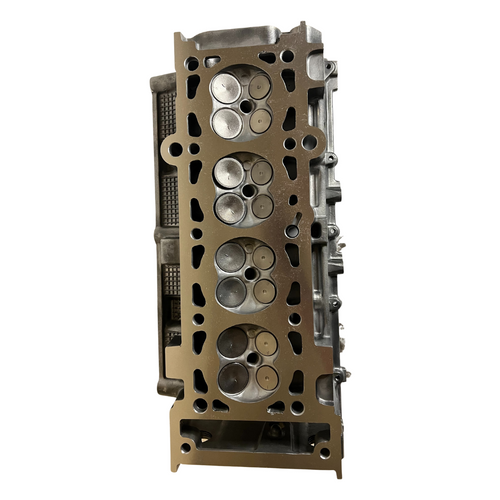
Why the N14 Oil System Requires Immediate Attention
The oil pump supplies volume, but bearing clearances, oil temperatures, and component demands dictate actual pressure. When clearances widen or oil thins under extreme engine heat, pressure drops, leaving vital parts unprotected.
- Hydrodynamic Bearing Film: Maintains a protective oil barrier between rotating journals and bearing shells, preventing metal-to-metal contact under boost.
- Timing Chain Tensioner Operation: Relies on steady hydraulic pressure to keep tension on the chain guide rail, preventing timing jump or chain rattle.
- Turbocharger Lubrication & Cooling: Delivers continuous oil flow to the high-RPM turbocharger cartridge to prevent oil coking and shaft failure.
- Thermal Heat Dissipation: Removes intense heat from the cylinder head, valve train, and piston crowns during hard acceleration.
Recognizing N14 Oil Pressure Symptoms and Causes
Recognizing when warning signs occur helps pinpoint where the oiling circuit is losing pressure or integrity. Symptoms often vary depending on oil temperature and engine load.
Common Warning Symptoms
- Cold-Start or Hot-Idle Rattle: Often indicates insufficient oil pressure reaching the timing chain hydraulic tensioner.
- Low Oil Pressure Warning Light: Signals severe pressure drops, usually occurring once the engine reaches full operating temperature and the oil thins out.
- Metallic Shimmer in the Oil or Filter: Points to active bearing wear or internal scoring within the oil pump assembly.
- Engine Knock or Thumping: Indicates excessive clearance at the rod or main bearings caused by prolonged oil starvation.
Primary Causes of Oil Pressure Loss
- Debris Contamination: Metal particles from worn bearings or broken timing chain guides recirculate through the pump, scoring internal rotors and reducing flow.
- Clogged Oil Pickup Screen: Fragments of shattered plastic timing guides drop into the oil pan and physically block the pickup screen.
- Worn Engine Bearings: Excessive journal clearance allows oil to escape faster than the pump can supply it, dropping system pressure.
- Thermal Breakdown: Extended oil service intervals lead to sludge and varnish buildup that restrict fine oil feed lines.
Diagnostic Steps for N14 Oiling Complaints
To avoid replacing parts unnecessarily, follow a systematic inspection process following the path of the oil:
- Verify Oil Level and Quality: Check for proper oil level, burnt smell, or heavy fuel dilution on the dipstick.
- Inspect the Oil Filter: Cut open the filter media to check for copper flakes, metallic glitter, or plastic guide debris.
- Remove and Inspect the Oil Pan: Clear the oil pickup tube screen and inspect the bottom of the pan for sludge or metallic sediment.
- Inspect the Timing System: Check for cracked plastic guides, loose chain tension, or worn sprockets.
- Check Bearing Clearances: Remove rod caps to inspect bearing faces for scoring, overheating, or bare copper exposure.
- Evaluate the Oil Pump: Measure internal clearances and check rotor surfaces for gouges before reassembly.
Rebuild Planning and Component Selection
When addressing major oiling issues or completing a engine rebuild, replacing the oil pump alongside supporting parts ensures long-term engine reliability. Planning related upgrades together protects your investment:
- Complete Engine Overhaul: Restore factory-fresh oiling and mechanical clearances using an N14 rebuild kit.
- Cylinder Head Hardware: Maintain reliable clamp load under high boost with heavy-duty N14/N18 head studs.
- Assembly Specifications: Fasten critical engine fasteners accurately by following official N14/N18 torque specs.
- Piston Setup & Clearances: Ensure correct piston-to-wall dimensions by reviewing detailed Forged piston clearances.
Street vs. Track Oiling Demands
Operating conditions significantly impact how much stress the oiling system experiences:
- Street Driving: Standard operating temperatures require high-quality synthetic oil changed every 3,000–5,000 miles, along with routine oil filter checks.
- Track Days & Performance Use: High sustained RPM, aggressive cornering G-forces, and extreme oil heat demand upgraded oil coolers, frequent fluid changes, and careful monitoring of oil pressure under load.
Frequently Asked Questions
- If the plan separates N14 oil pressure from timing health, it is already missing the point. Can the N14 oil pump be the whole problem?
Sometimes, but a hot n14 turbo engine is less forgiving of contaminated oil because debris can threaten the pump, bearings, turbo feed, and timing components. - Should parts be ordered before inspection?
If the engine has noise, pressure warnings, metal in the oil, or unknown failure history, the answer should come from the filter, pan, pickup, timing area, and bearing evidence. - What makes this platform different?
N14 rebuild planning often includes oil pump, cryo timing chain kit, bearings, pistons, rods, and head studs in one conversation. That is why the SneedSpeed recommendation changes between R53, N14, and N18 engines. - Can the car keep being driven?
If the MINI Cooper R56 / R55-R59 N14 has a pressure warning, hot knock, heavy timing noise, or metallic oil, continued driving can turn an oiling repair into a full engine program. - What should the customer send before ordering?
Mileage, engine family, symptoms, current parts, oil history, intended use, and photos of oil or filter debris help SneedSpeed choose the right path.
Conclusion
Resolving N14 oil pressure problems and warning signs requires inspecting the entire lubrication loop from the pickup screen and bearing clearances to the timing tensioner and turbo feed lines. Catching low oil pressure early prevents costly failures across the rotating assembly. Need assistance diagnosing your N14 oiling system or selecting rebuild parts? Contact us today at SneedSpeed to speak with our technical engine specialists. We can help guide you toward the right oiling components, timing solutions, and engine rebuild path for your MINI.